
Many countries are gradually relaxing their COVID19 measures as vaccins are rolled out. But even as the first Kenyans are receiving ‘the jab’, president Kenyatta announced tighter corona measures to control a third wave. What’s going on in Kenya? I talked about this with NPO Radio 1 host Stephan Komduur in BNNVARA’s foreign news programme ‘De Wereld van BNNVARA’. You can check out the 18 minute conversation by clicking on this link.
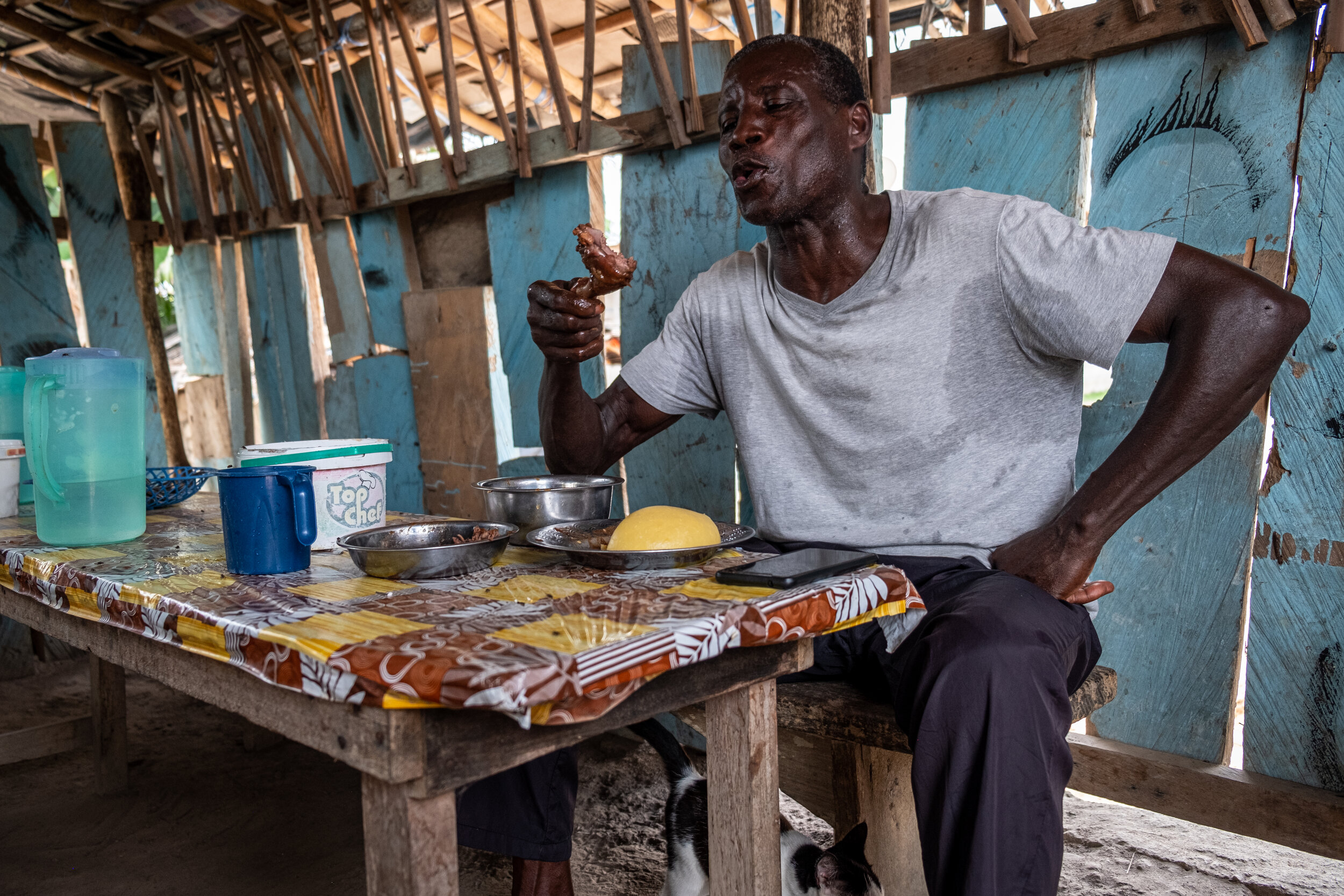
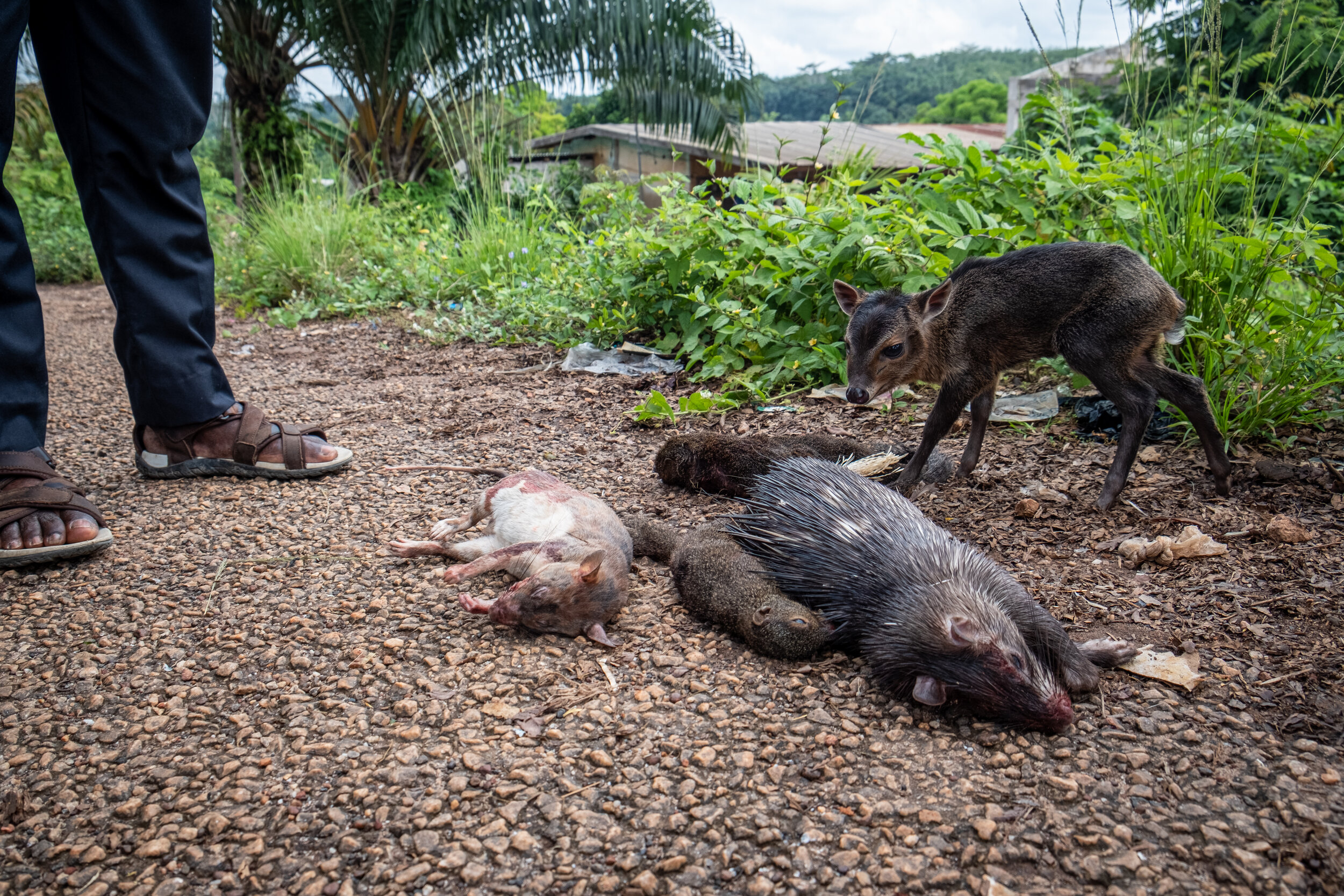
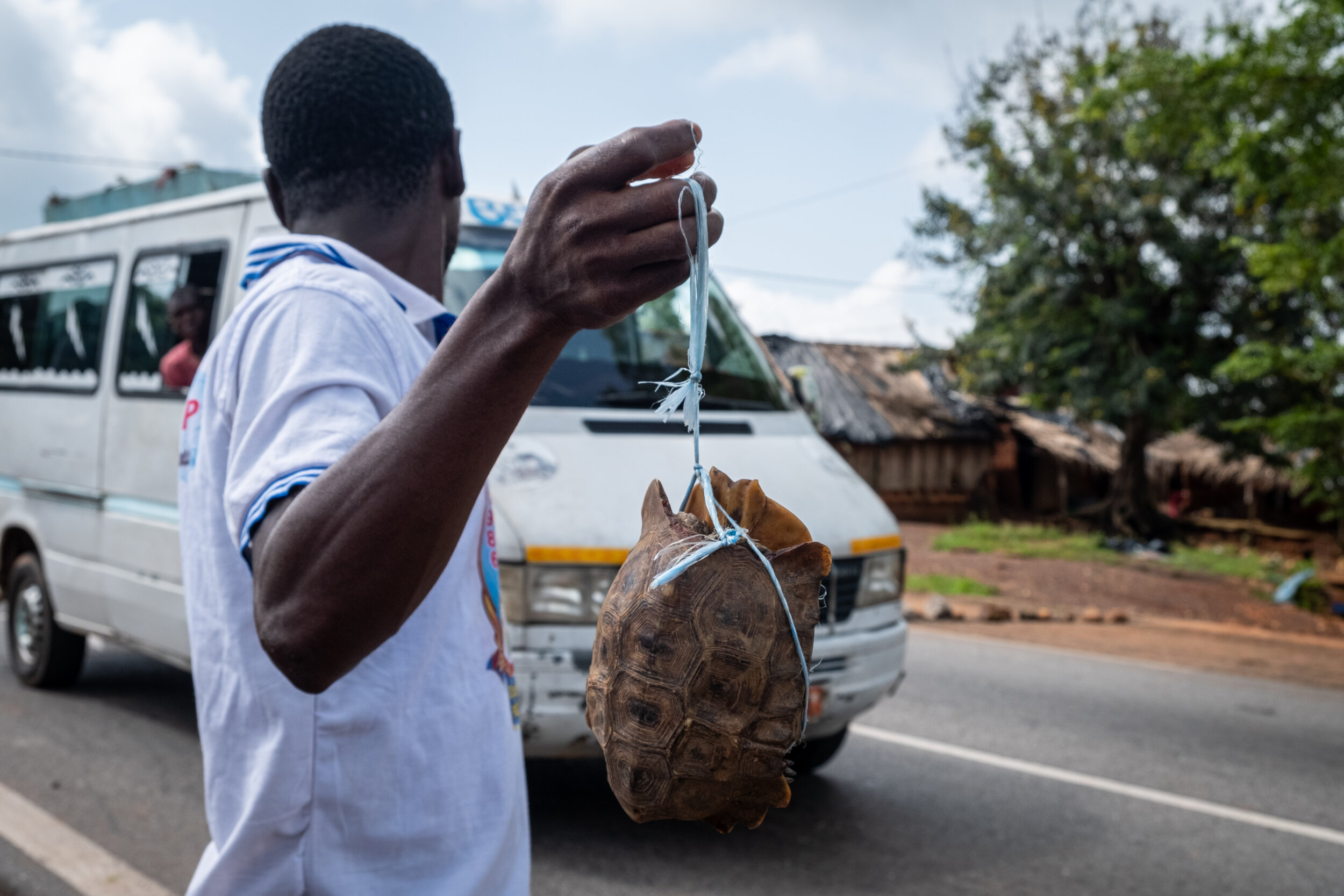
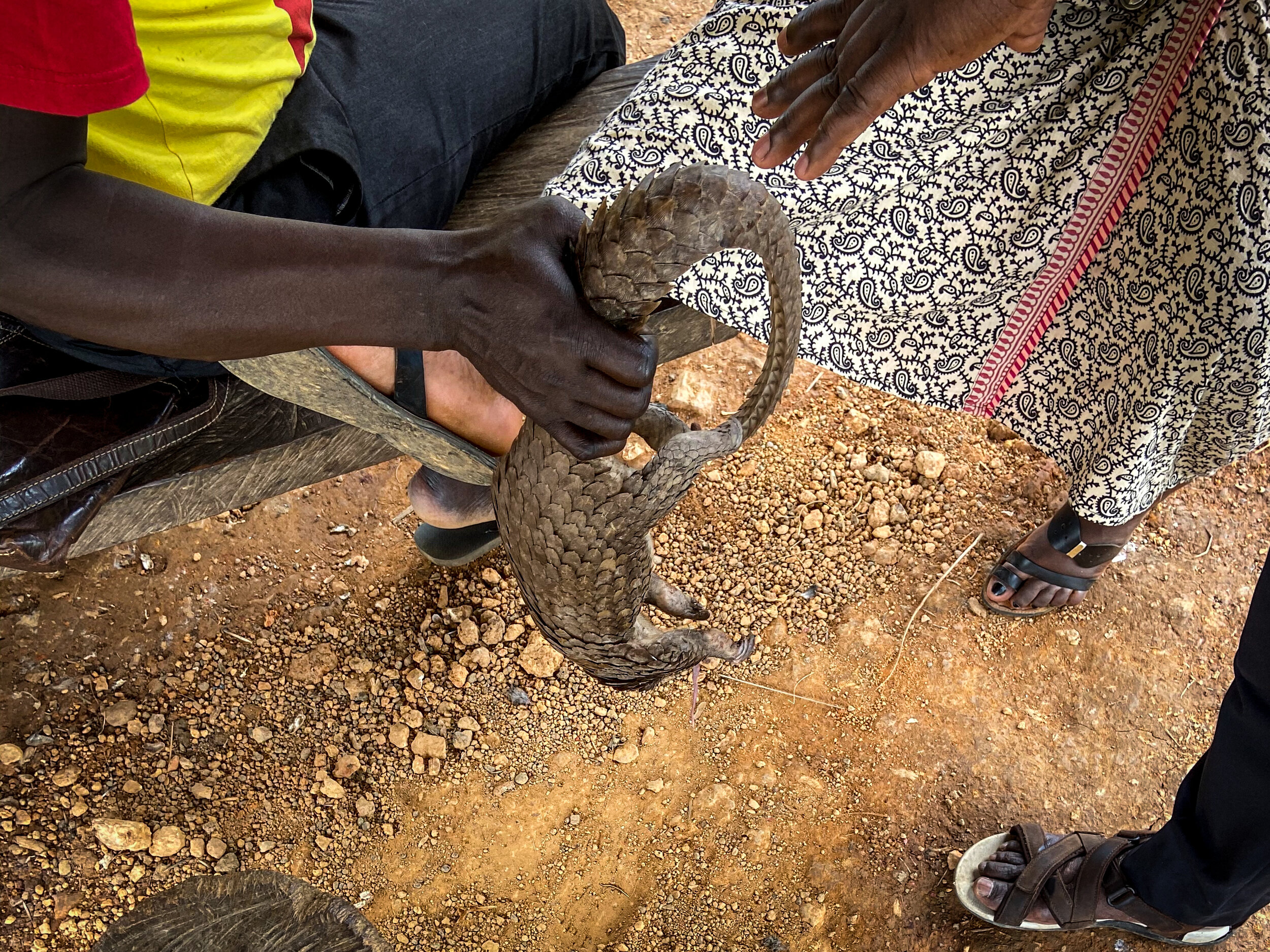
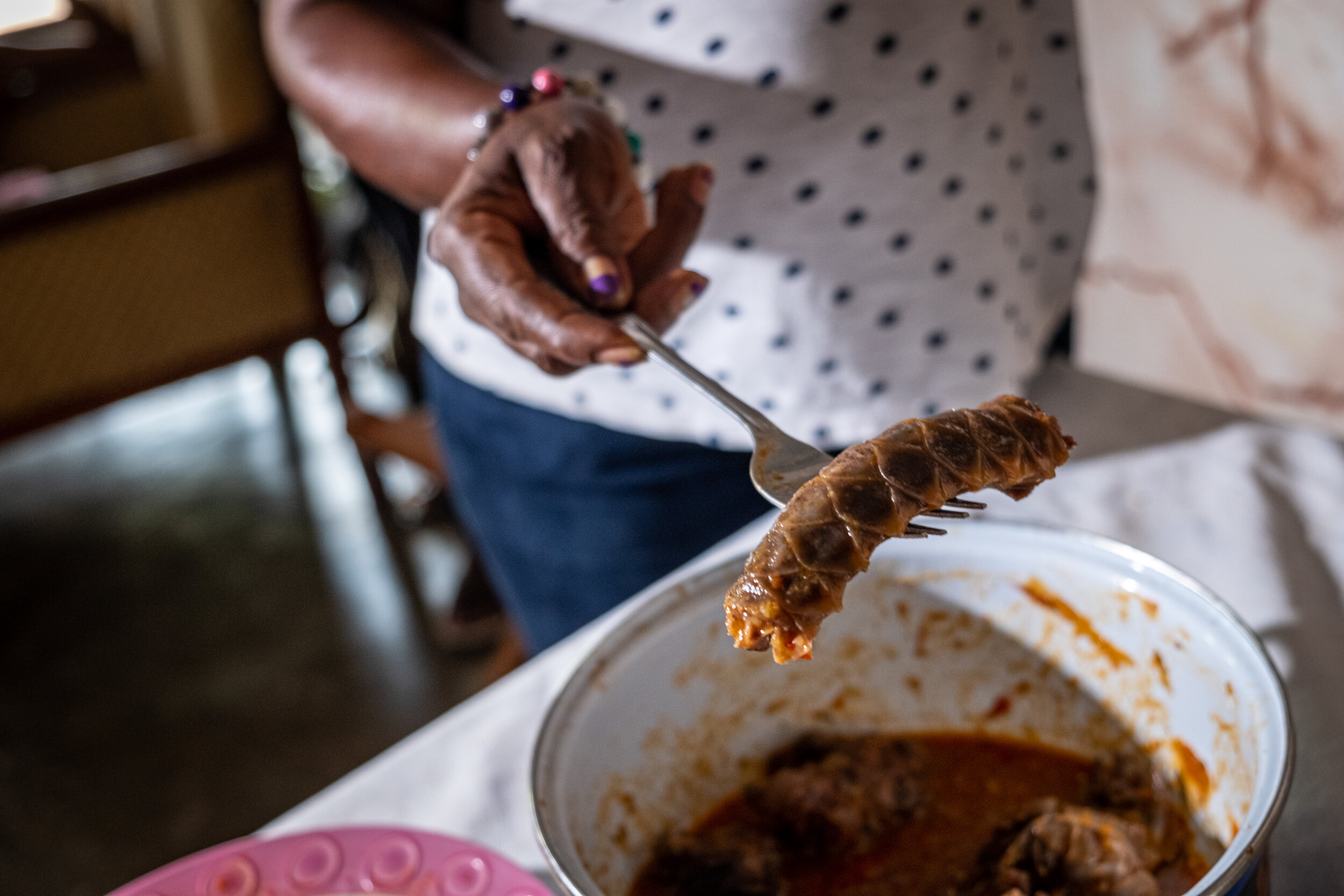
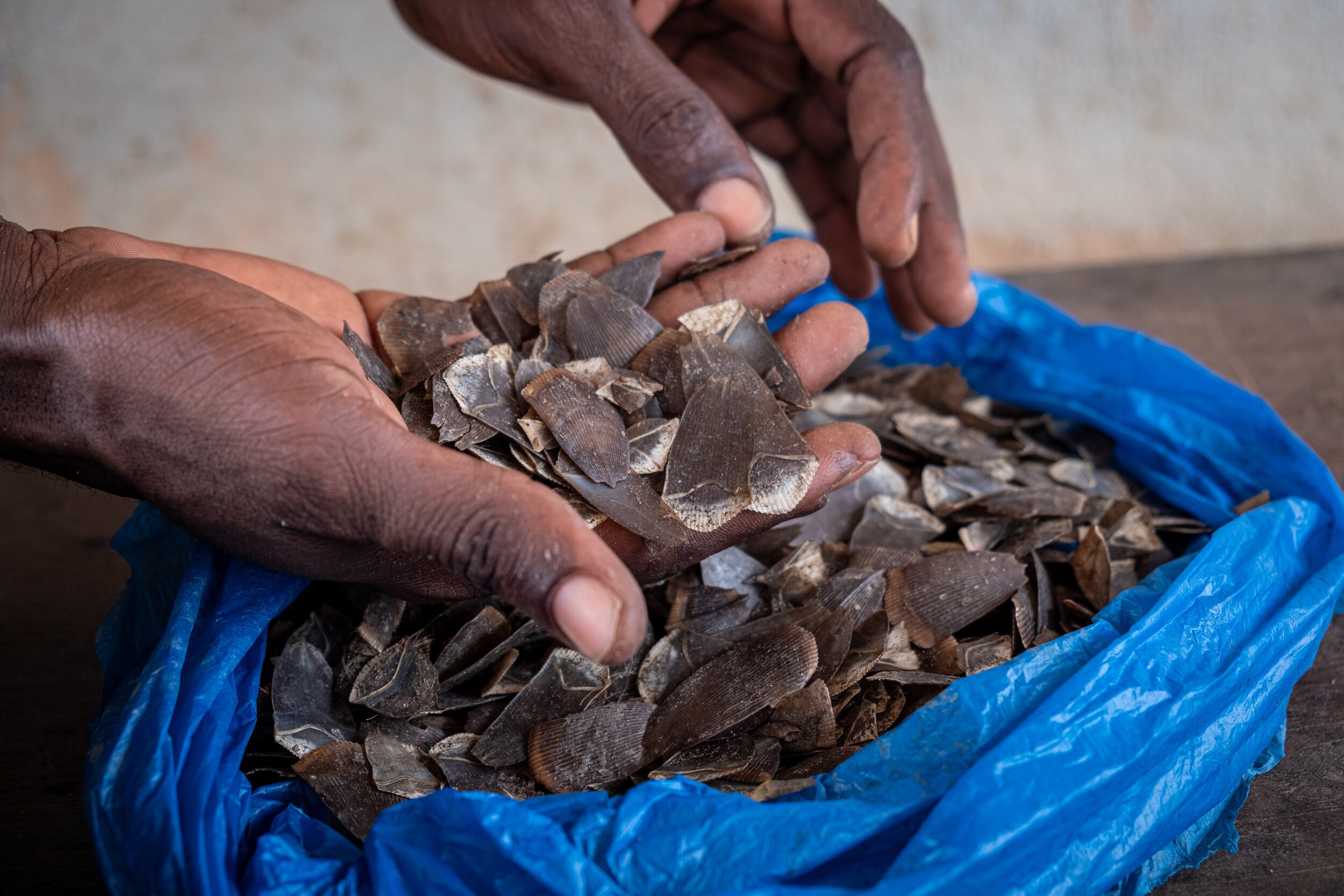
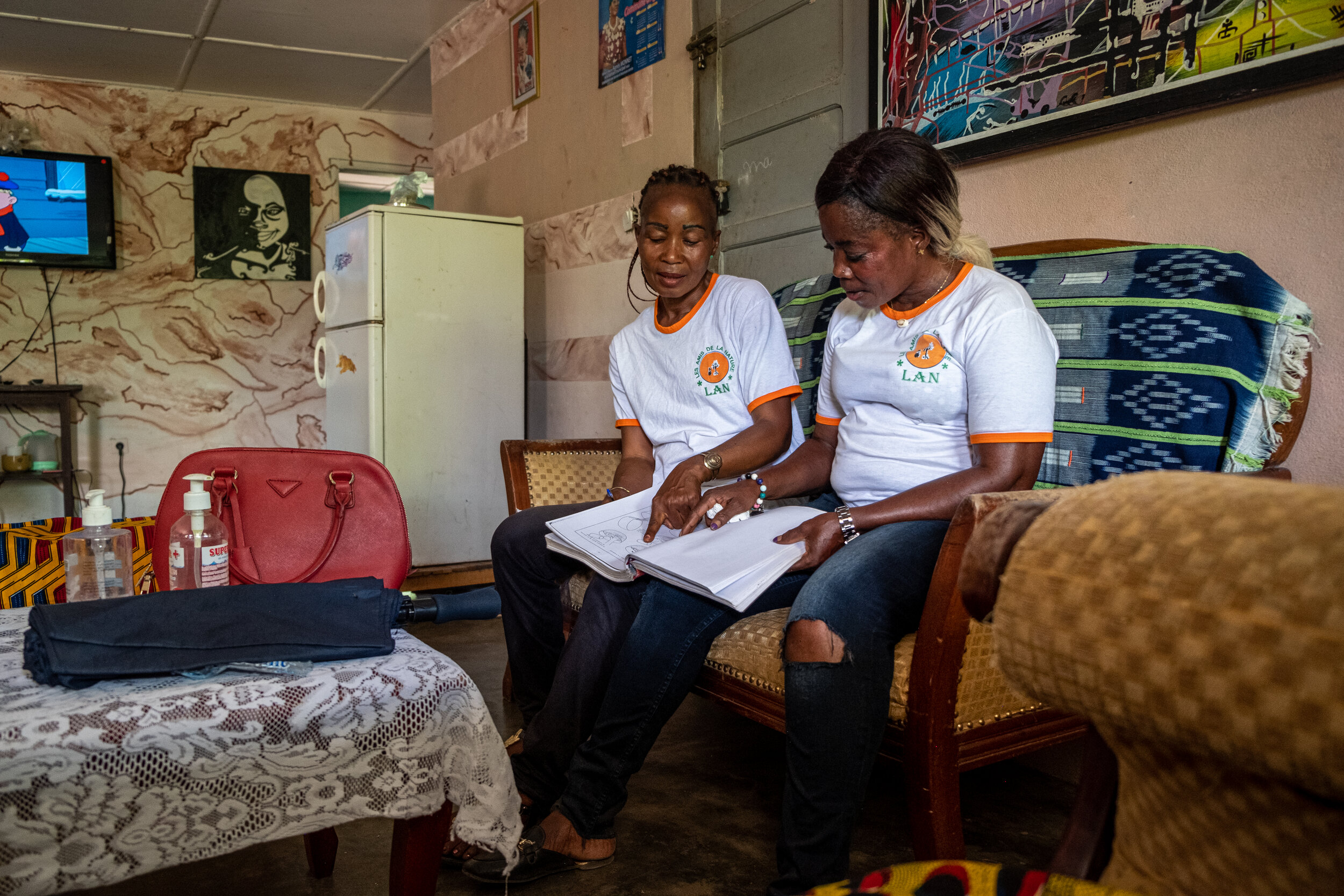
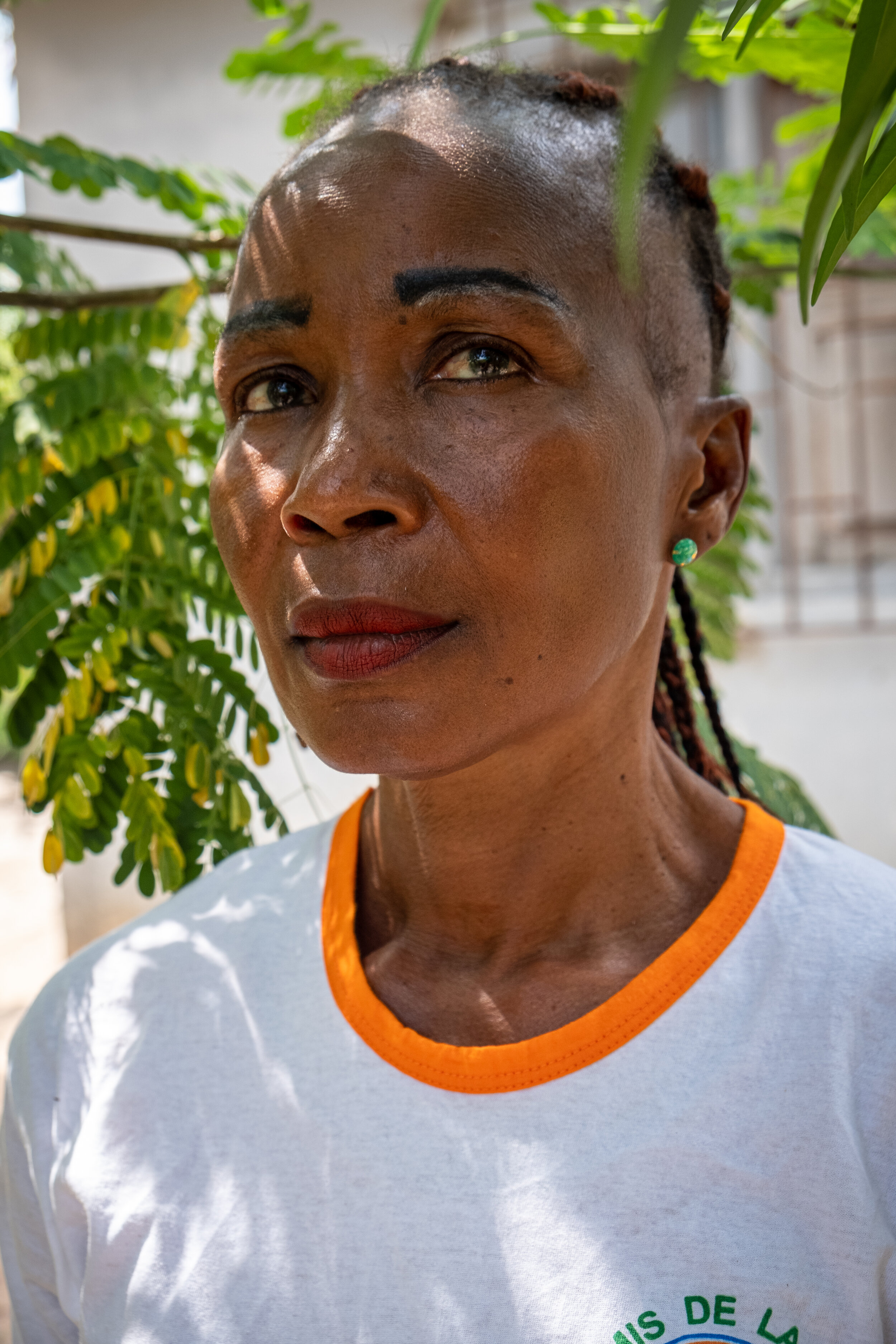
Eating bushmeat in Ivory Coast: three new publications for El País
Spanish international newspaper El País published an English and Spanish version of the story Saskia Houttuin and I made for Dutch newspaper Trouw! The 1300 words piece has appeared on their website, accompanied by a slideshow with 13 of the pictures I took in and around Agou, Côte d’Ivoire.
To read the story, click on one of the two pictures below:


A new publication in Trouw: aid workers on the situation in Tigray
“I flew directly to Tigray. At Mekele airport, there were soldiers everywhere, even on the runway. They don't do anything, but they are there. On the way to the city, you will pass multiple checkpoints. As a Westerner, you are immediately singled out and questioned about what you’re doing here. They want to make sure that you’re not a journalist, because they do not tolerate prying eyes,” says ZOA’s emergency coordinator Hielke Zantema.
Dutch newspaper Trouw interviewed two Dutch aid workers who recently worked in Tigray, where the fight continues unabated. But no one knows exactly what is happening in the Ethiopian region. Click here to read the story.
Bushmeat in Ivory Coast: a story for Dutch newspaper Trouw
New work for Dutch newspaper Trouw:
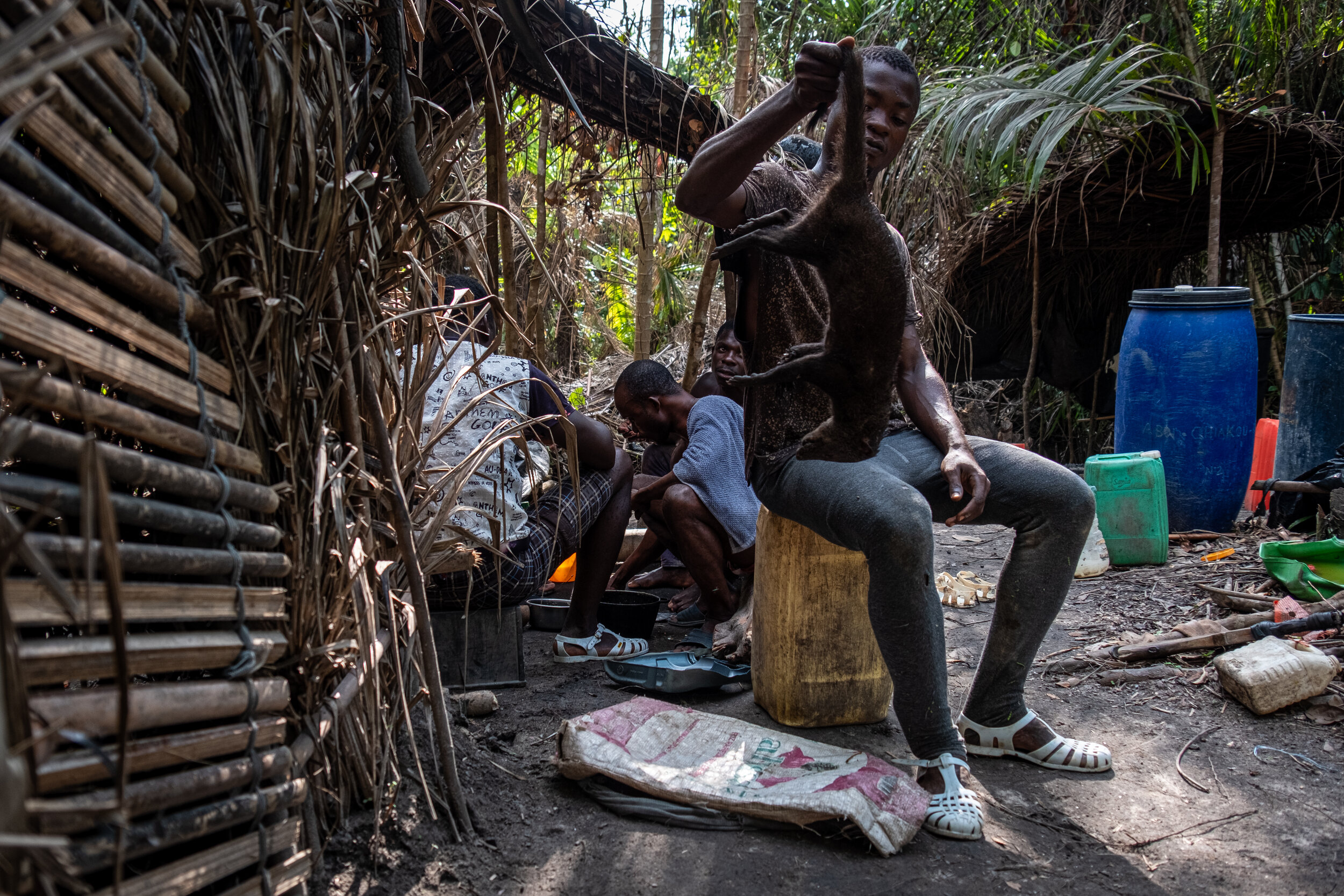
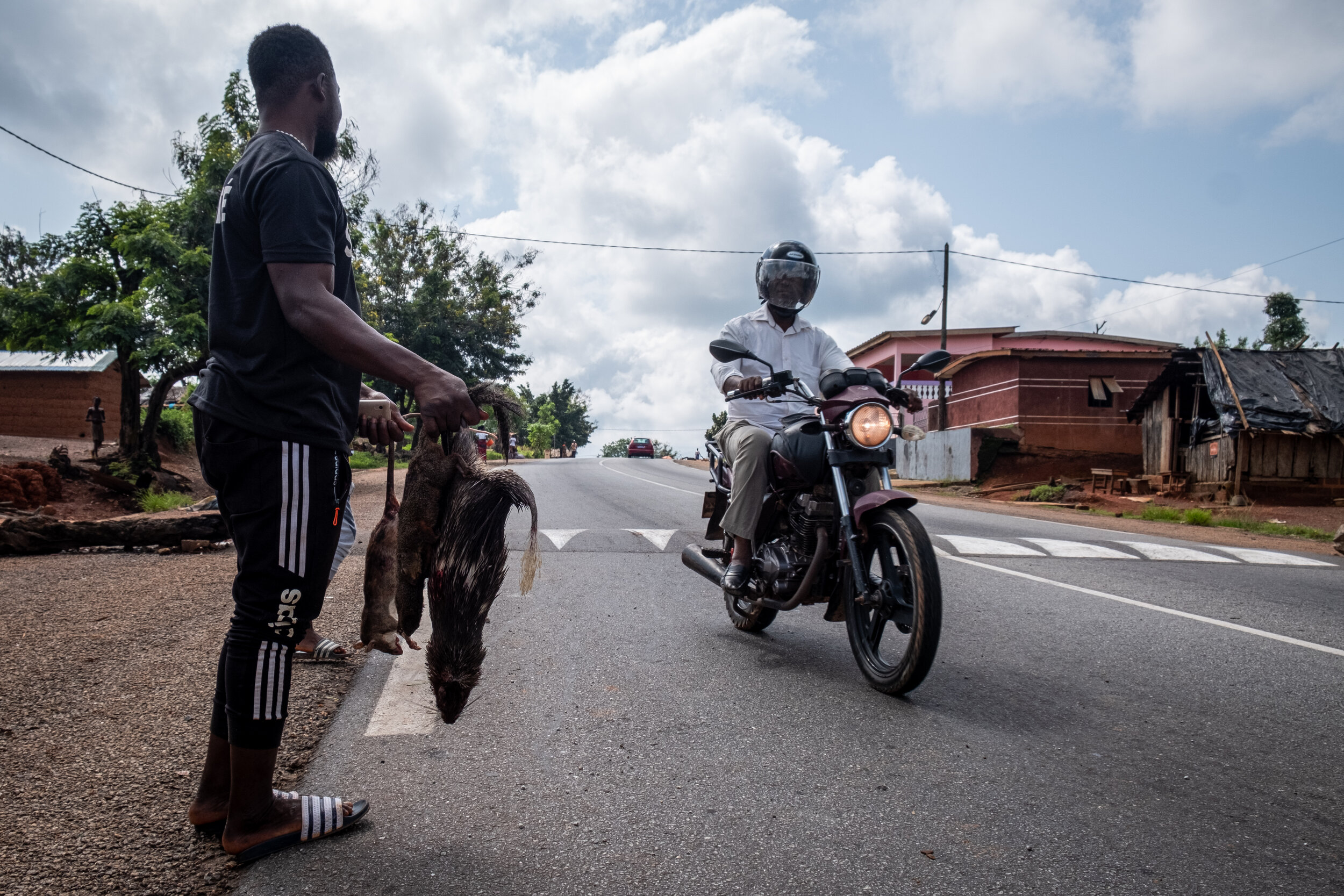
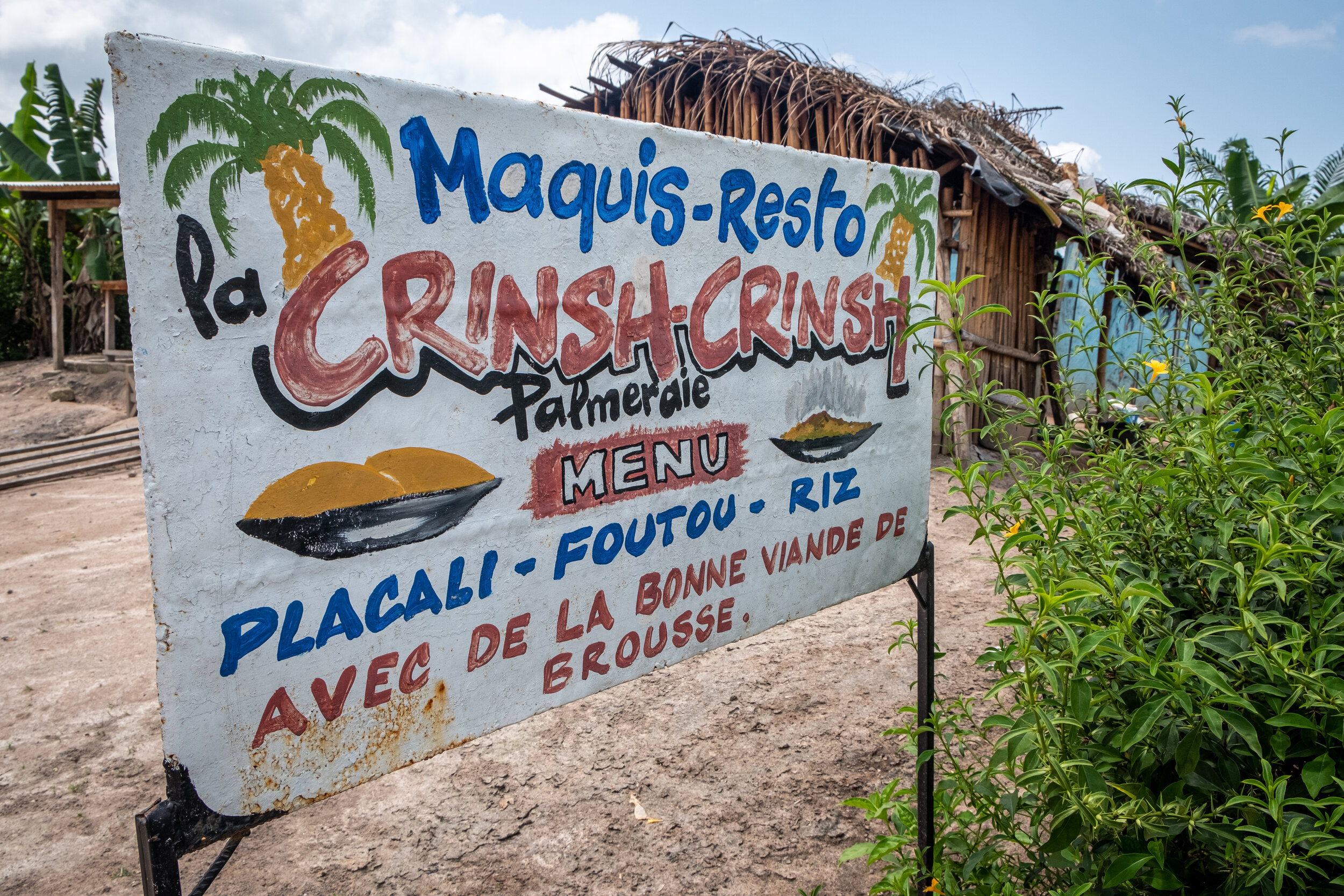
It has been forbidden to hunt for Ivory Coast's pangolins since 1974, but the law has never been maintained. Now it is known that the coronavirus may have been transmitted from animals onto humans through a pangolin, Ivorians are fighting for a ban. But it's not easy.
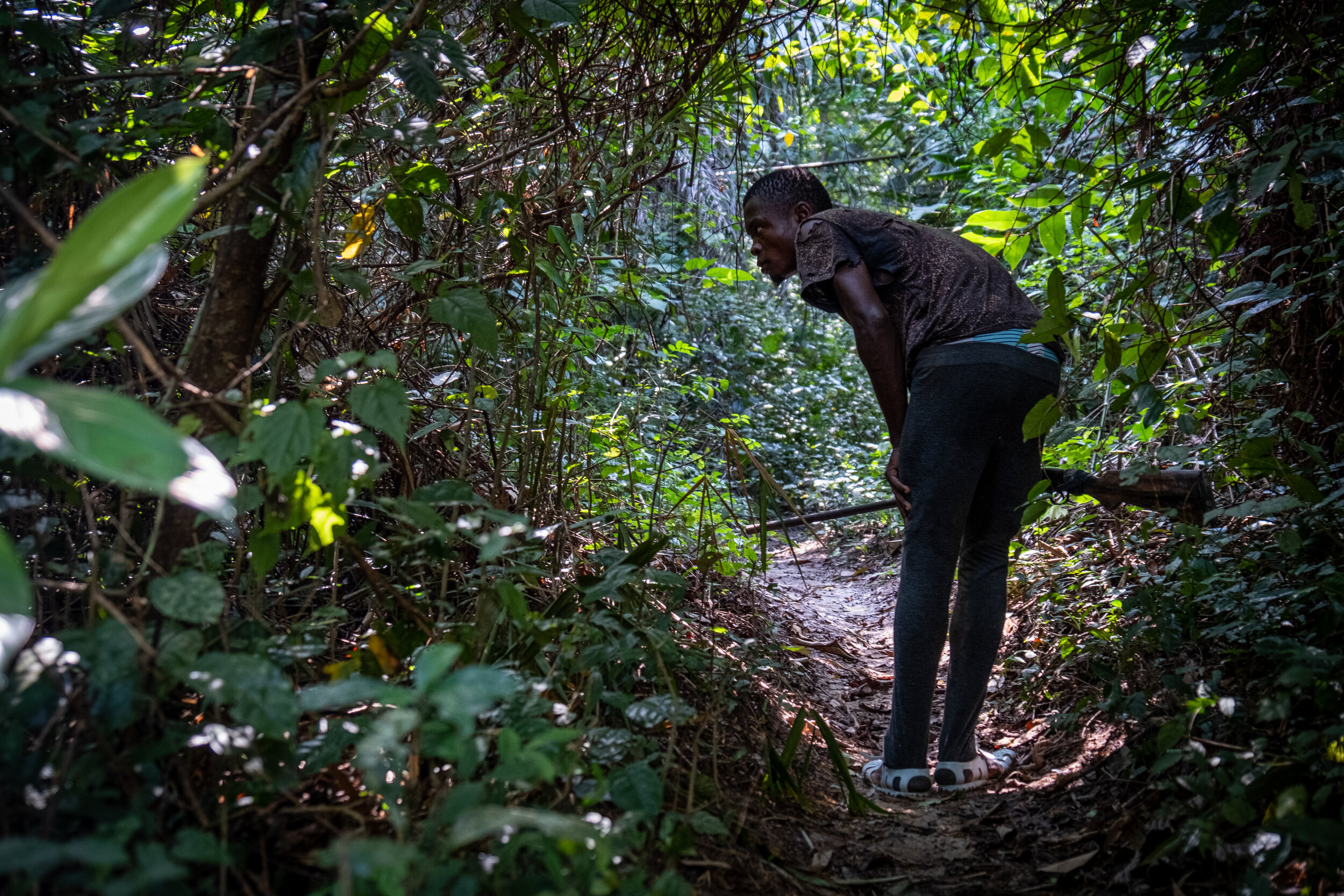
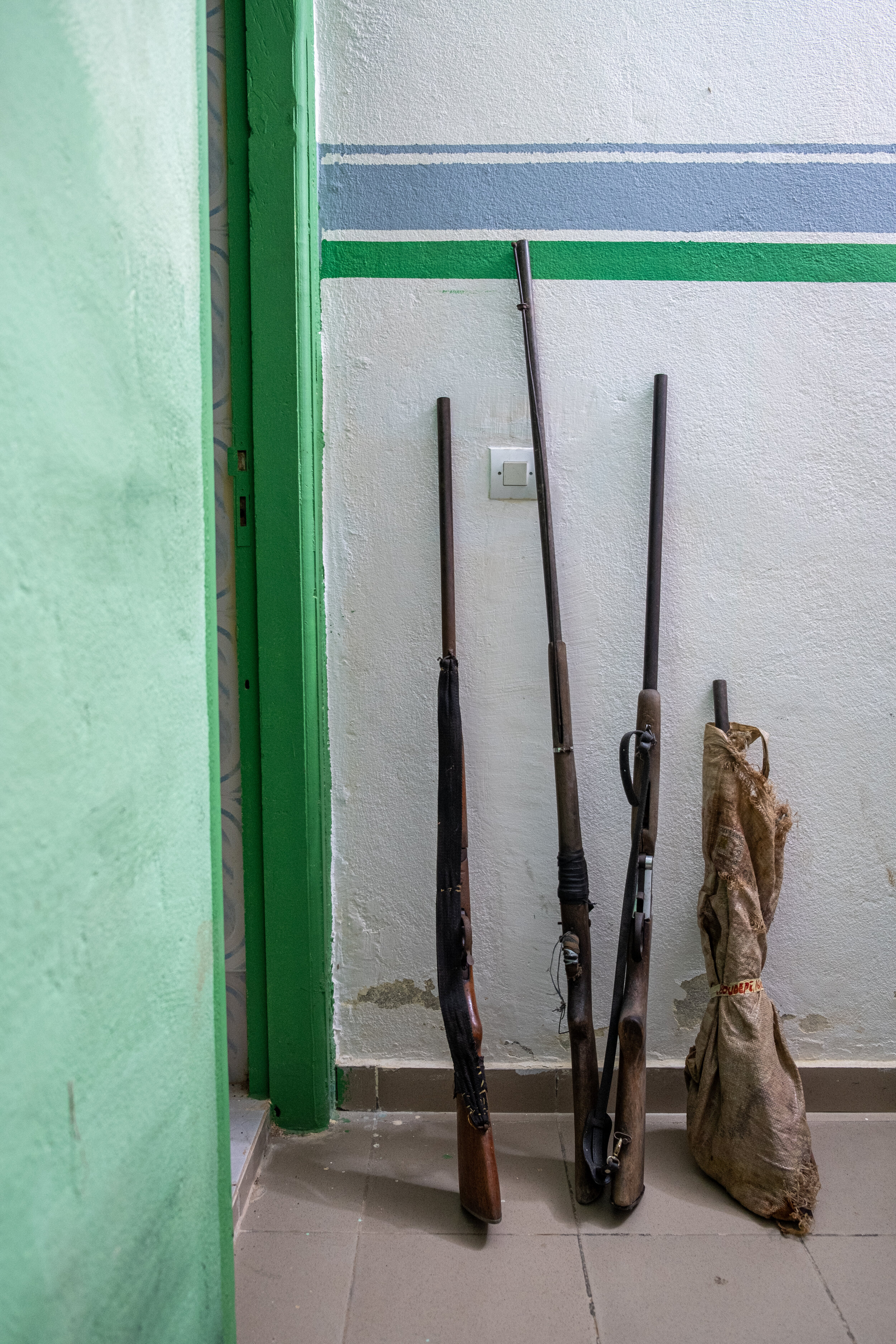
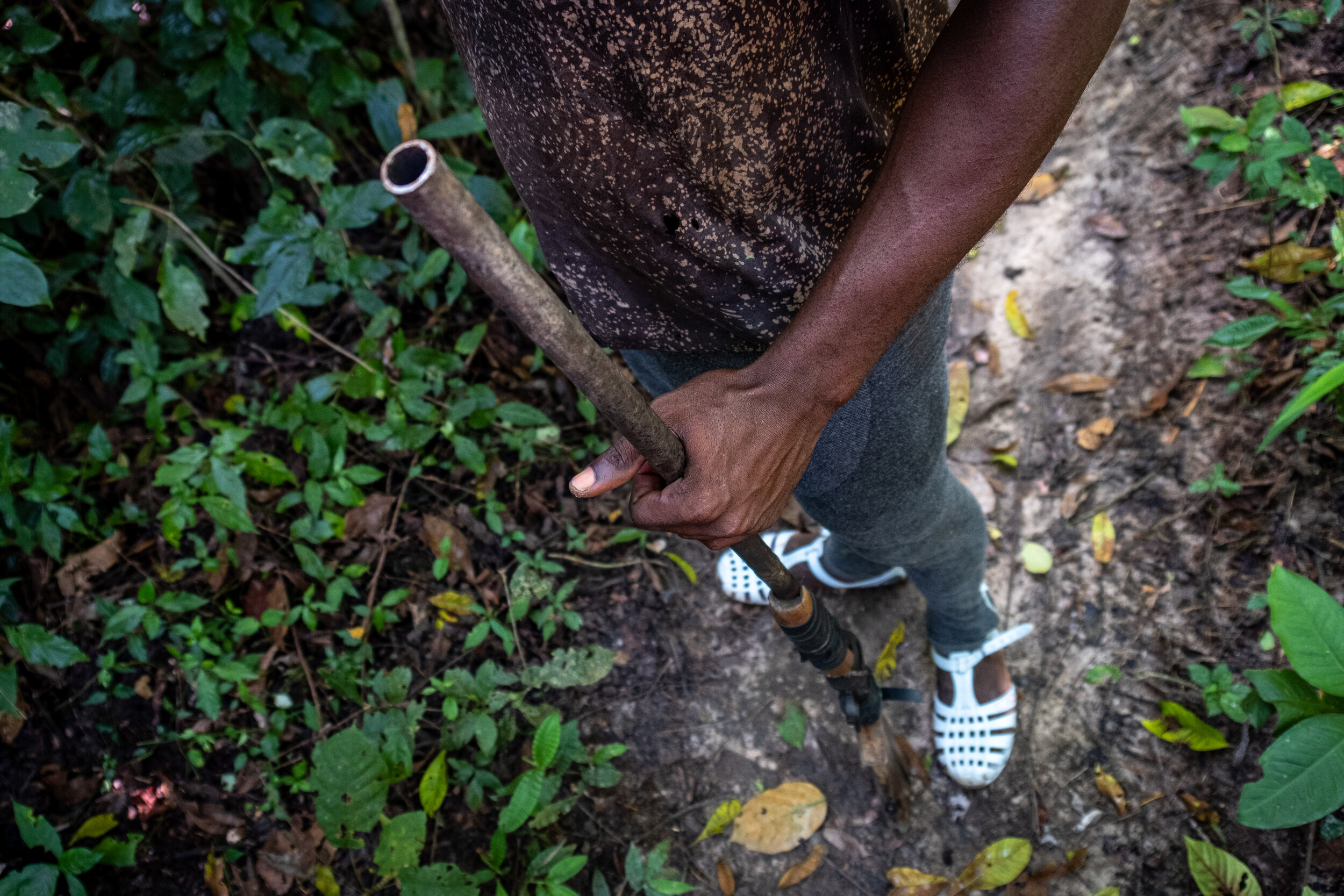
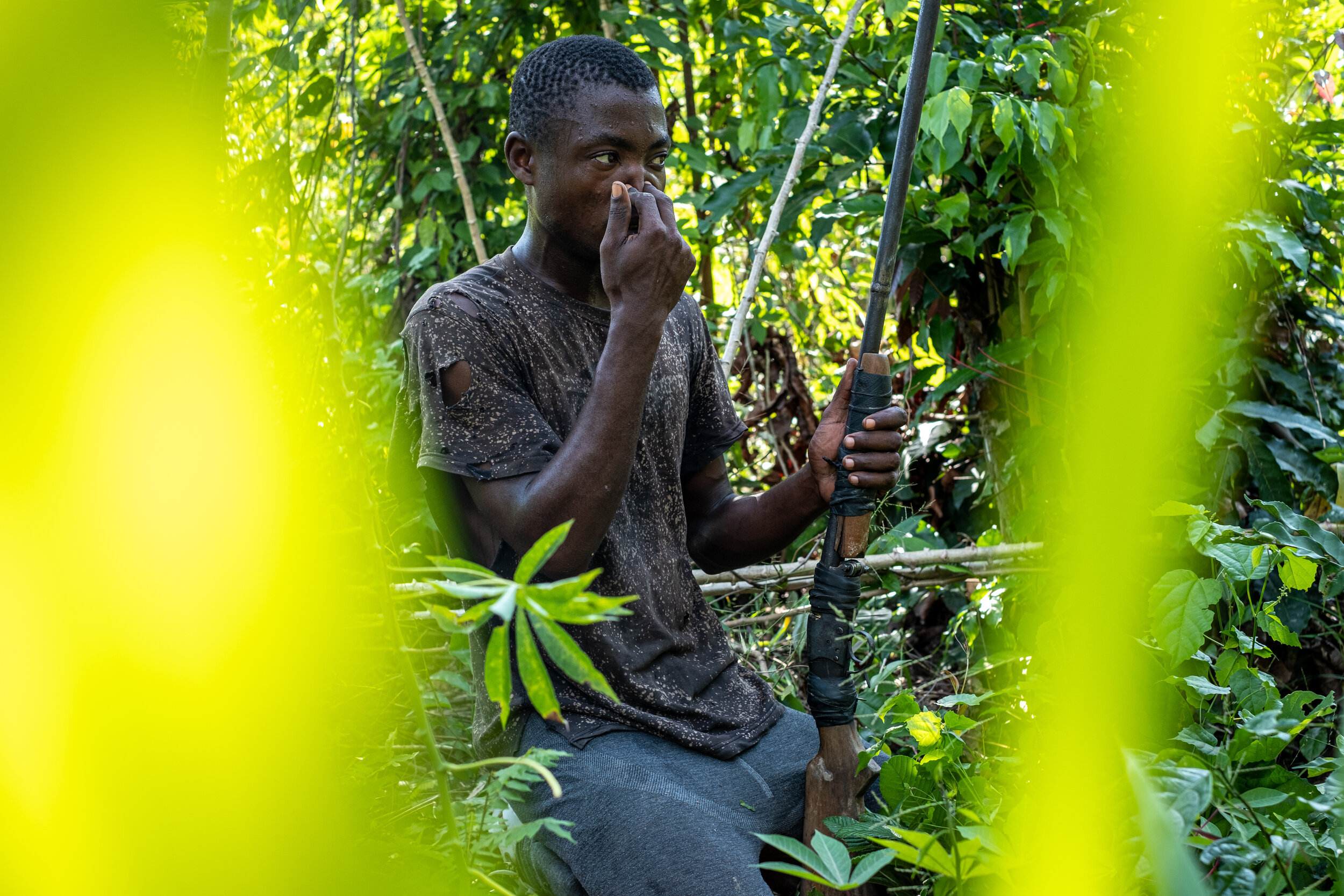
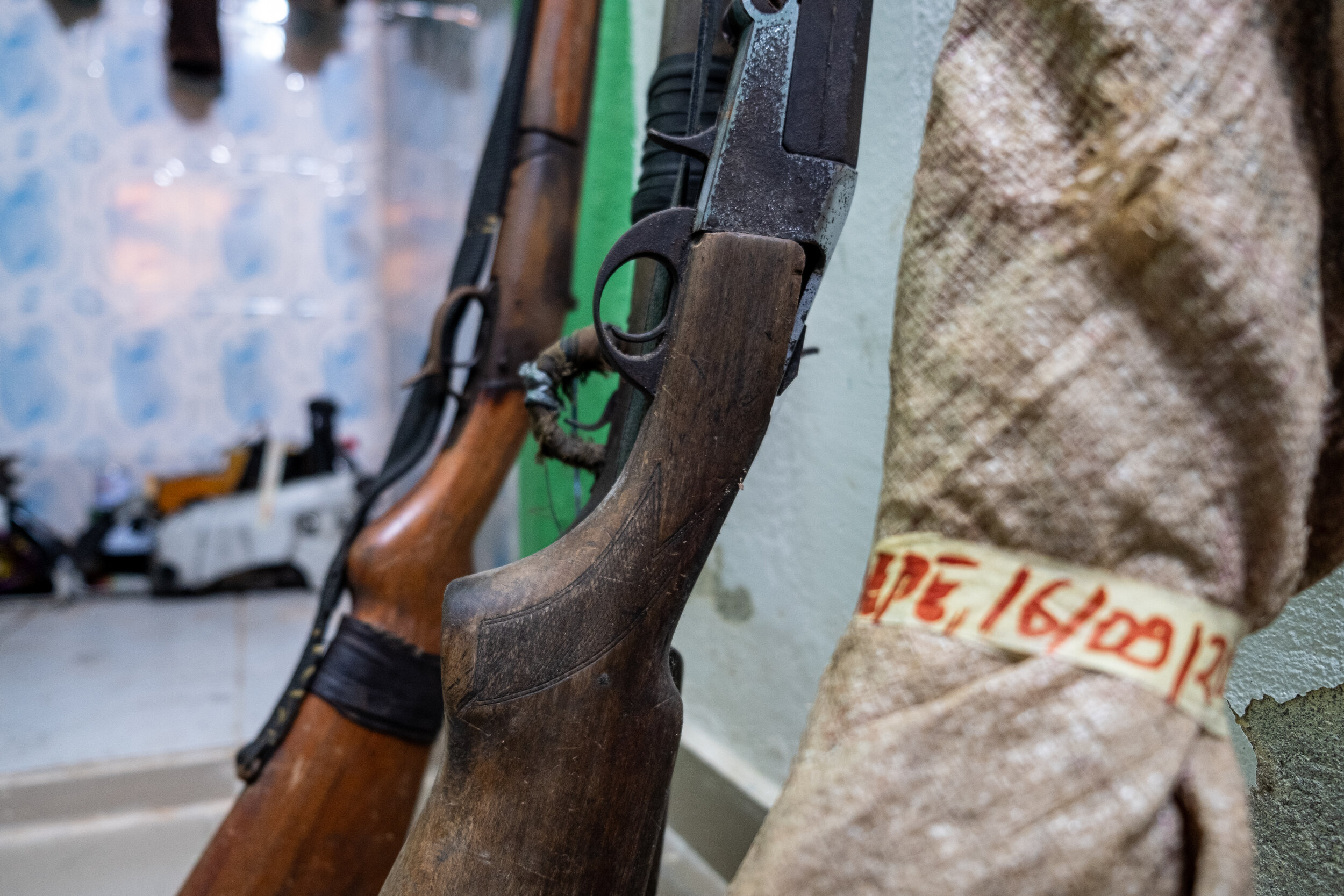
Now that Ahmed Fofana, 21, is out of work because of the coronavirus pandemic, his grandfather's old shotgun comes in handy. For years it lay in pieces in the shed. "It was no longer used," said Fofana, who took the time to give the weapon a second life. Black, wrapped tape and some simple welding now hold the long barrel and wooden butt together.
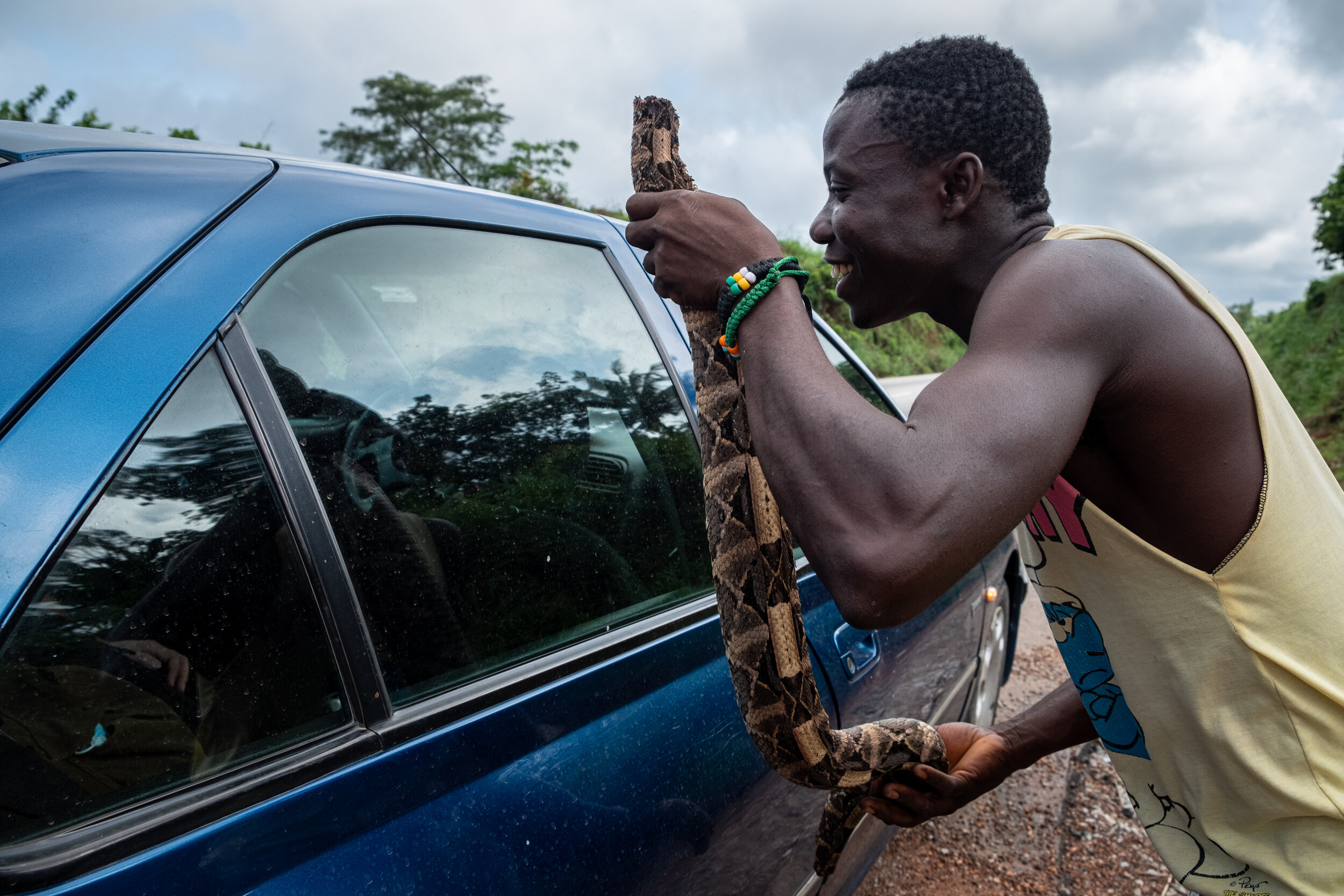
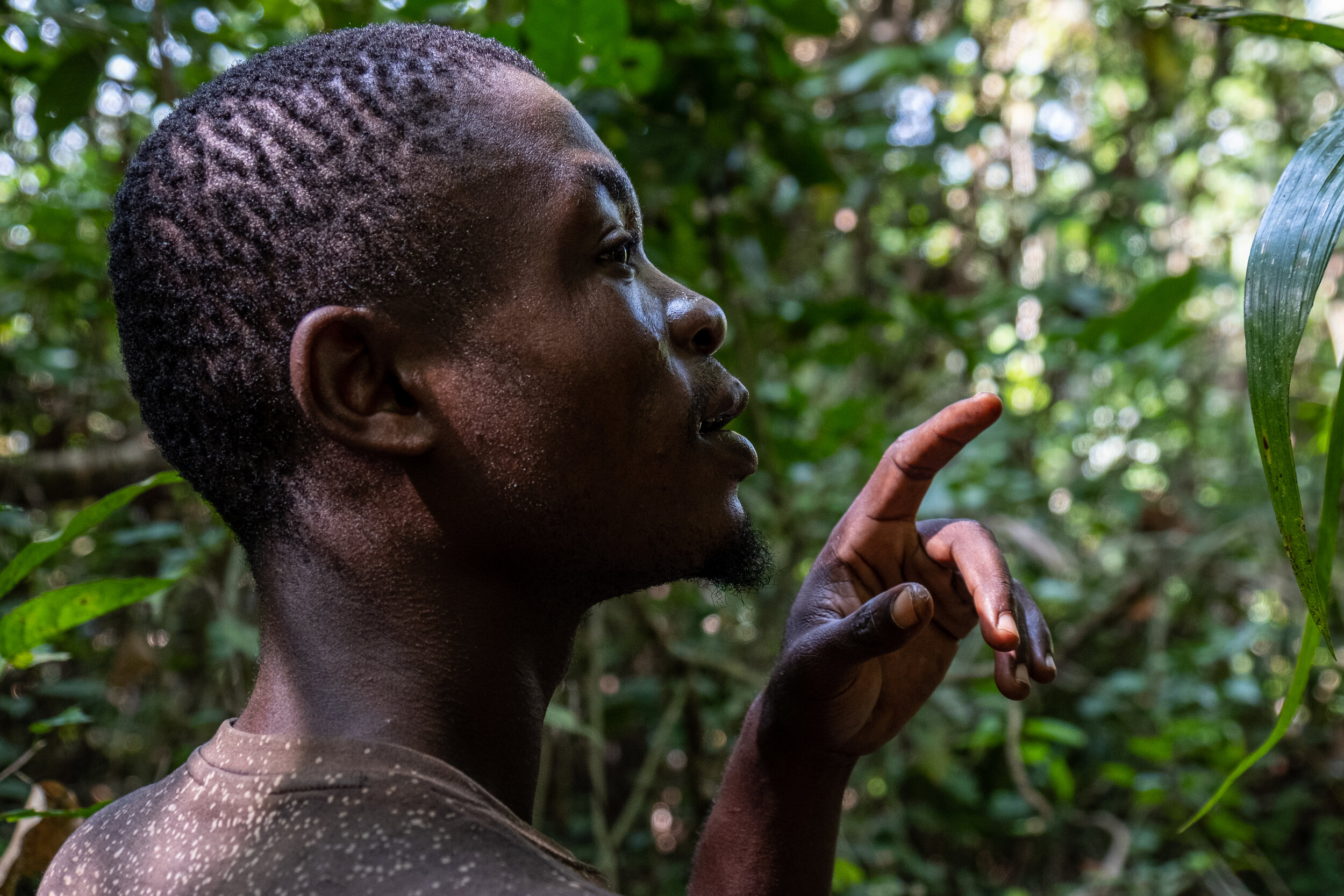
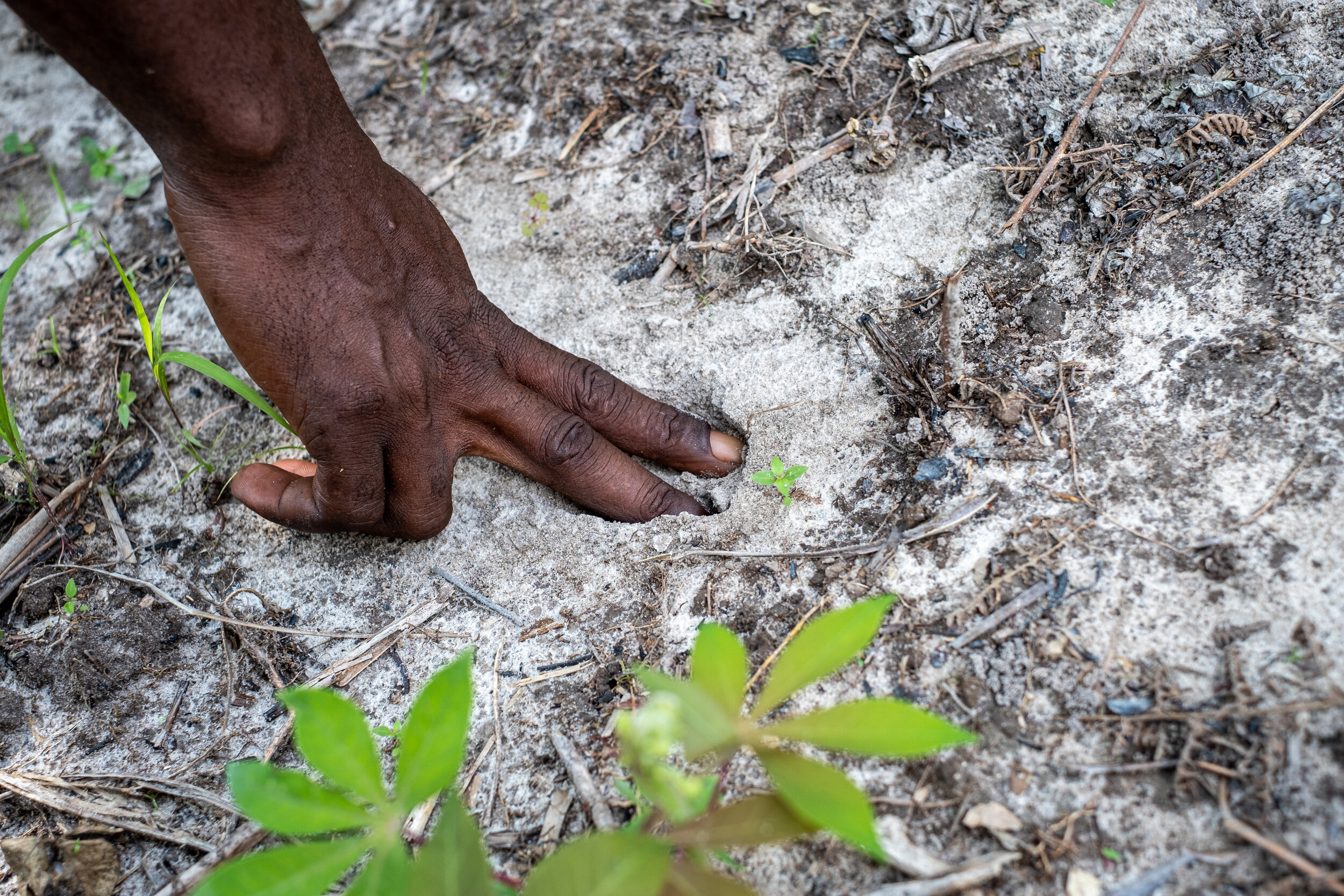
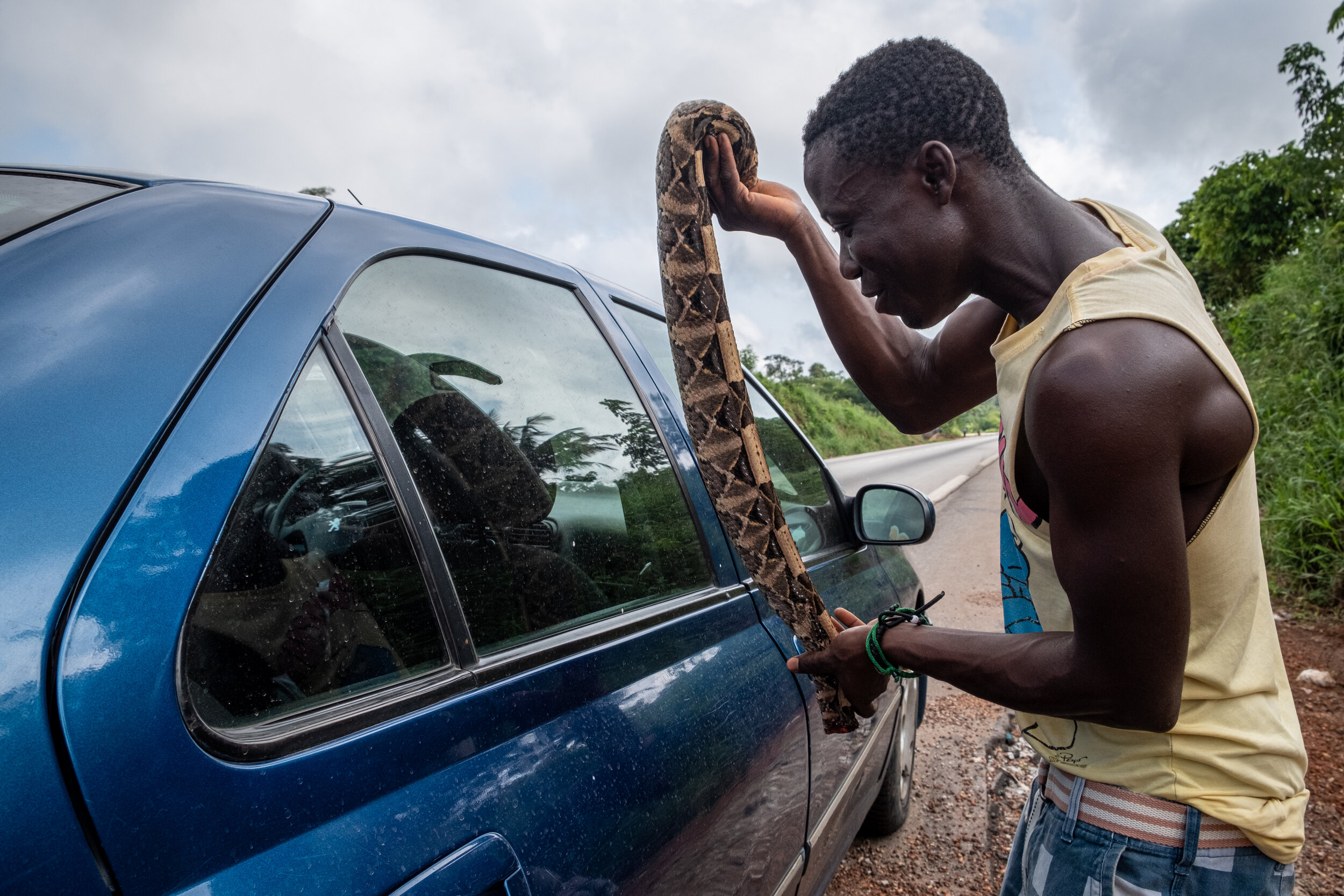
Almost every day at dusk, he walks out of his village, the rifle in his hand. Agou, a small town in the southeastern department of Adzopé (Ivory Coast), is surrounded by forests and fields. It's an ideal hunting ground. In the 'brousse', as Ivorians describe wild natural areas, Fofana hunts for his next meal. He sums up the animals he encounters: "Gazelles, deer, hedgehogs, rats, pangolins, snakes". If it's edible, he shoots it.
He prefers to do something else for a living. "But I have no choice," he explains. Due to the corona virus, he lost his job as a moped taxi driver last year. "As the man of the house, it is my job to find food for my family." Read the whole story, by Saskia Houttuin, by following this link.
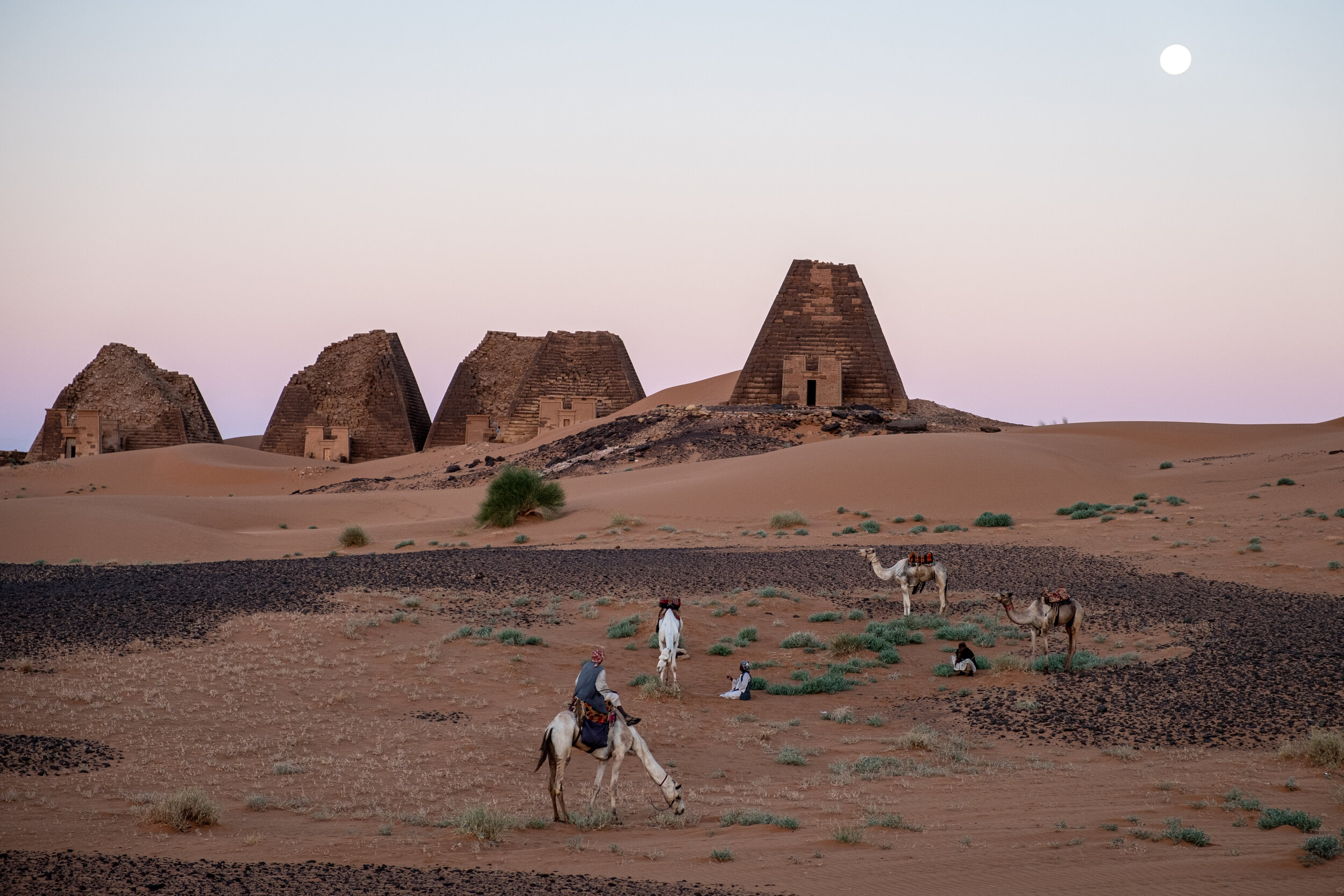
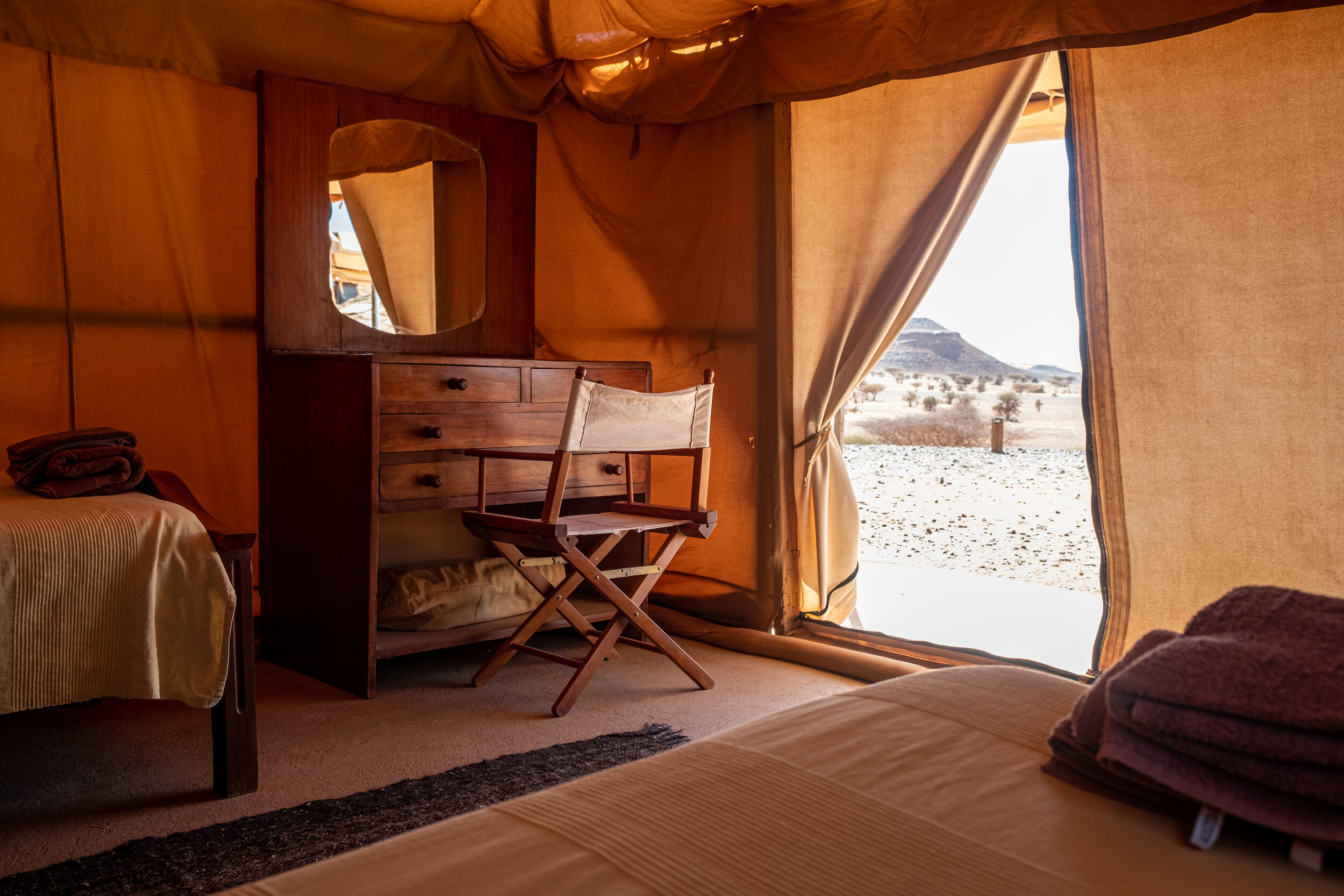
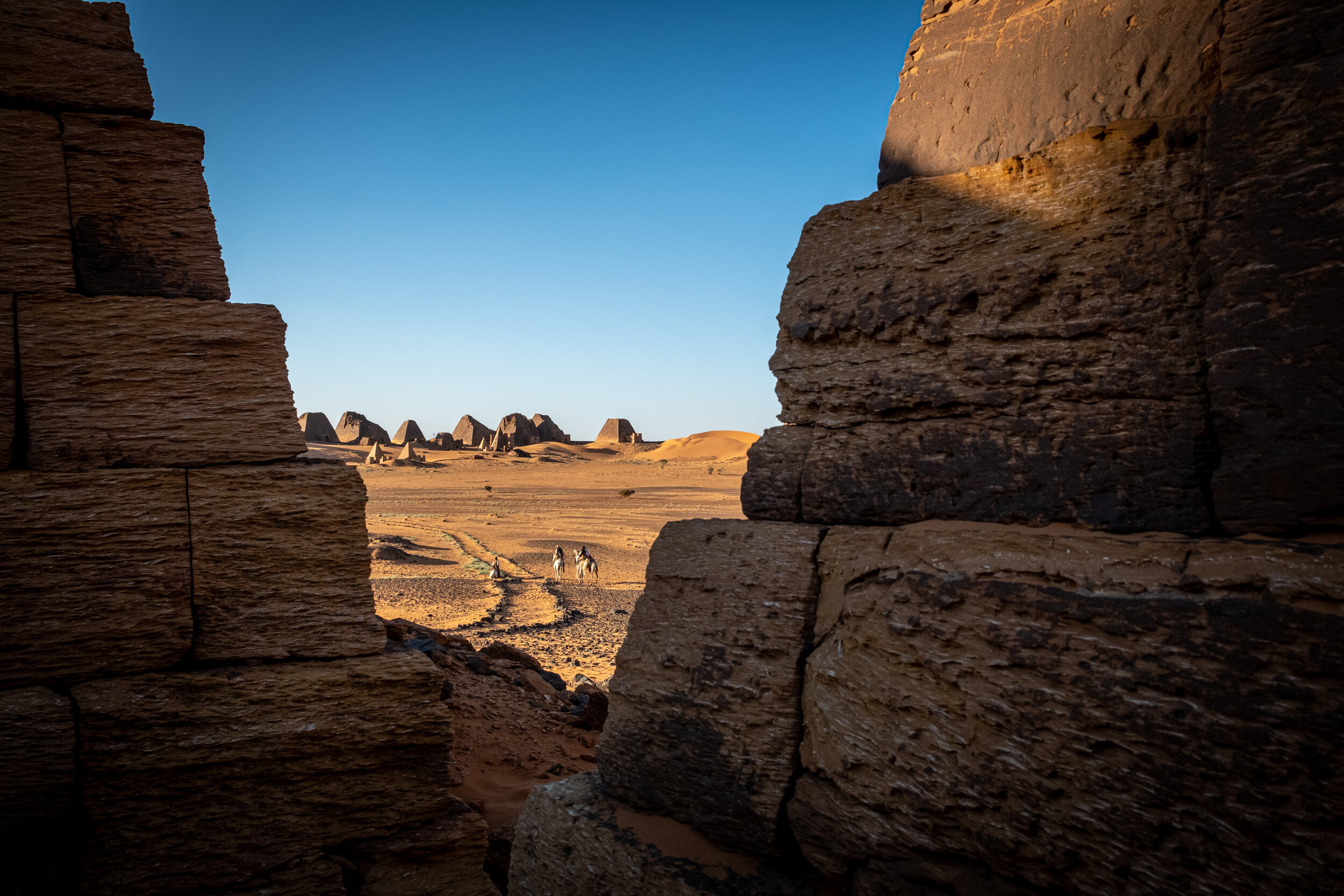
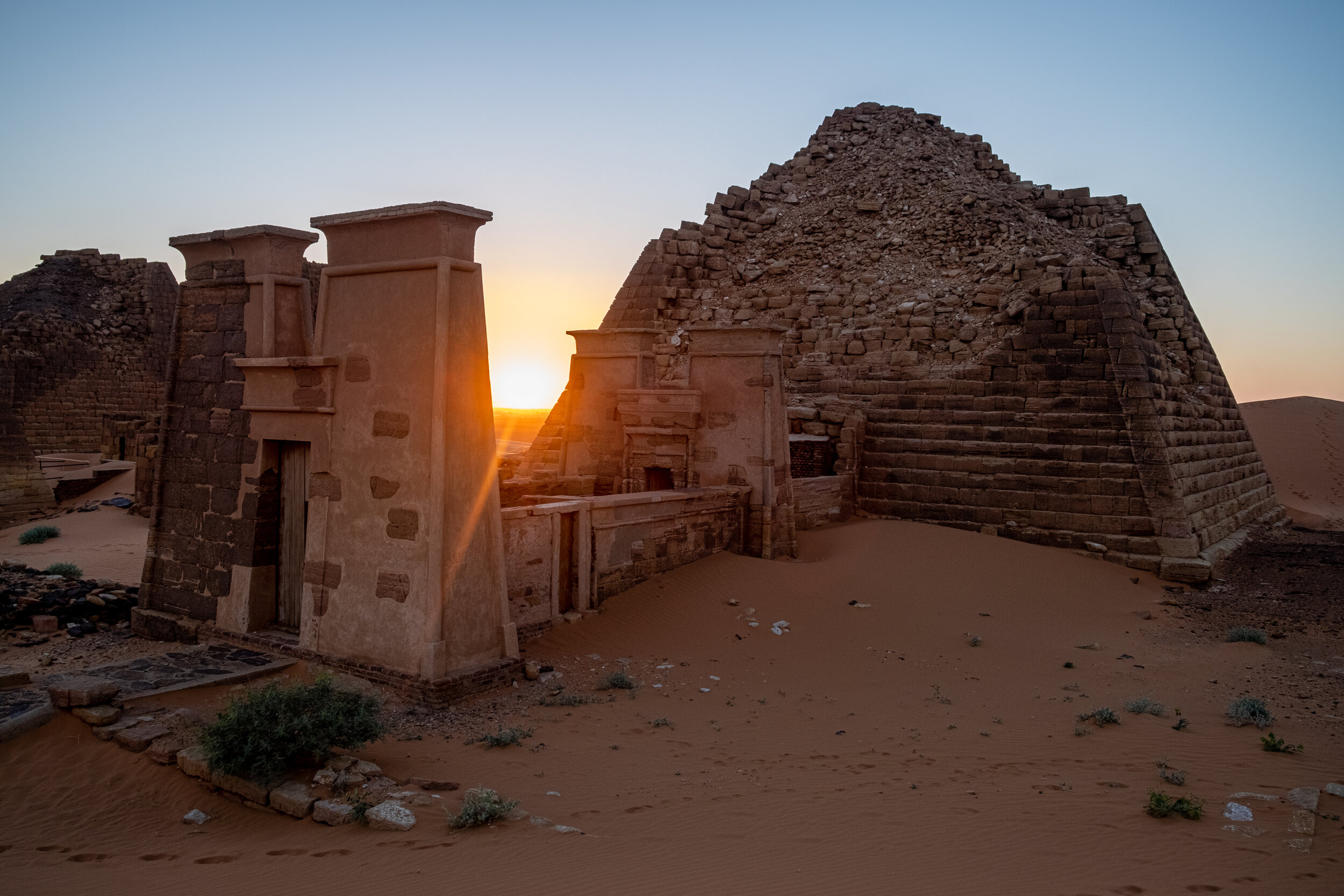
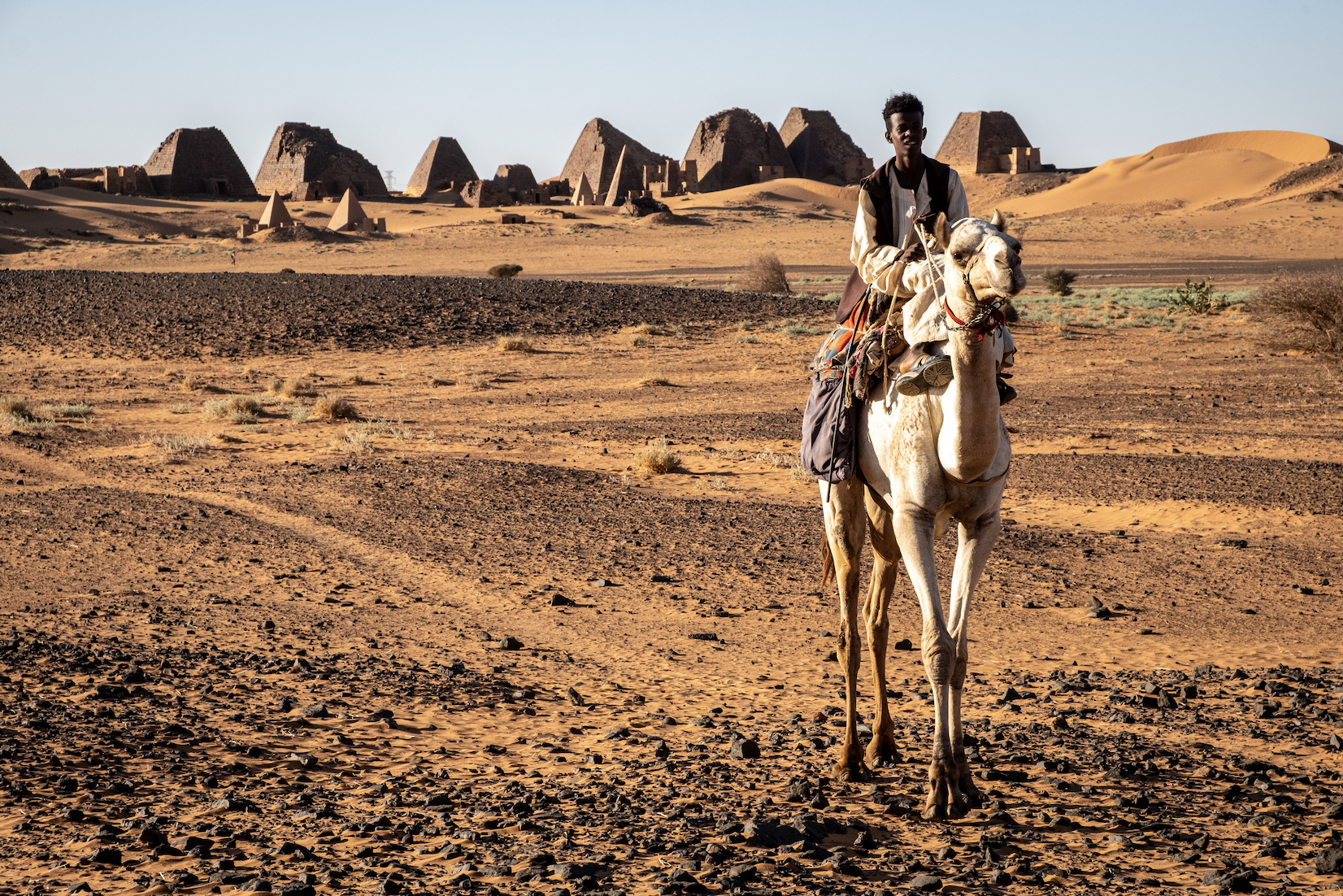
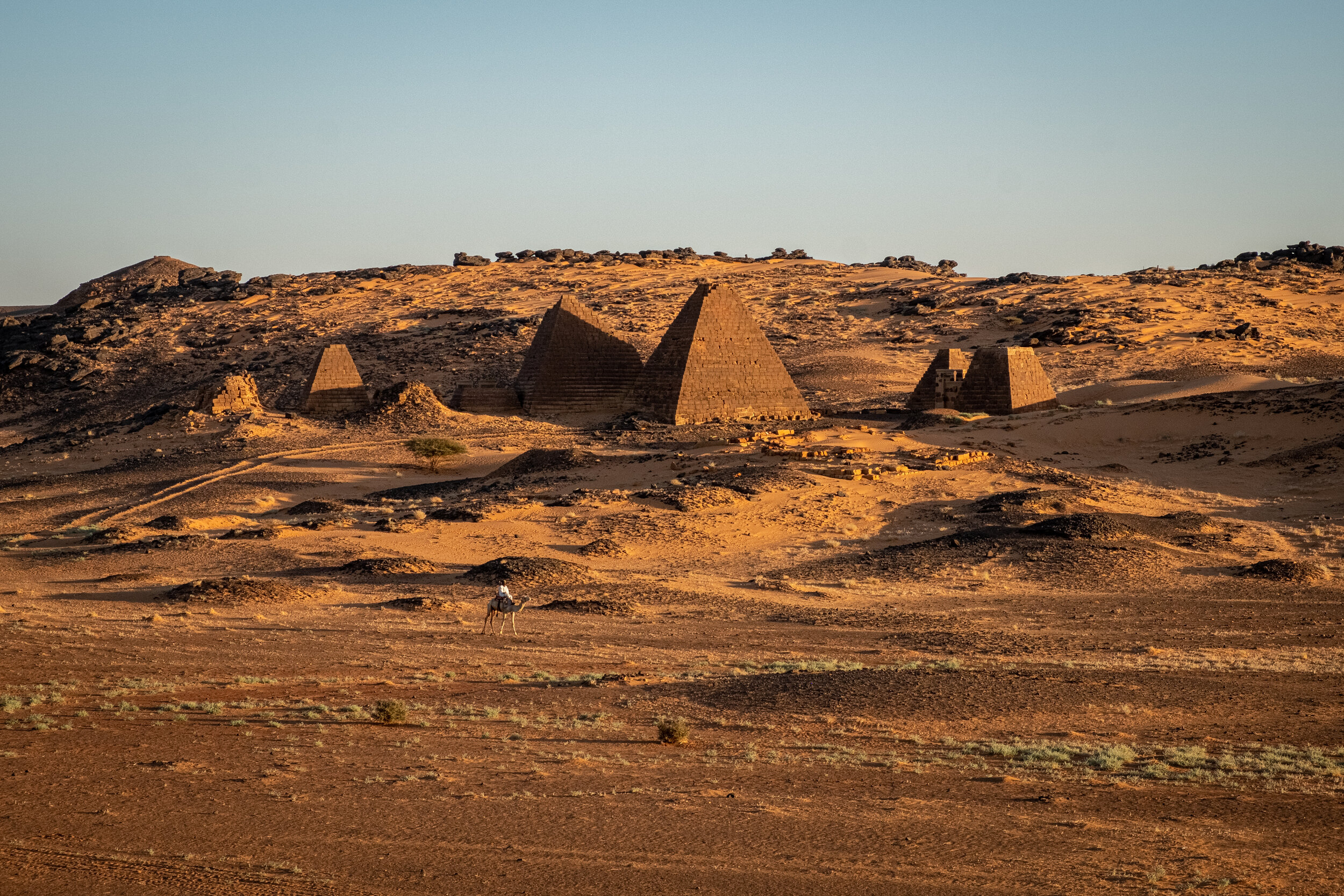
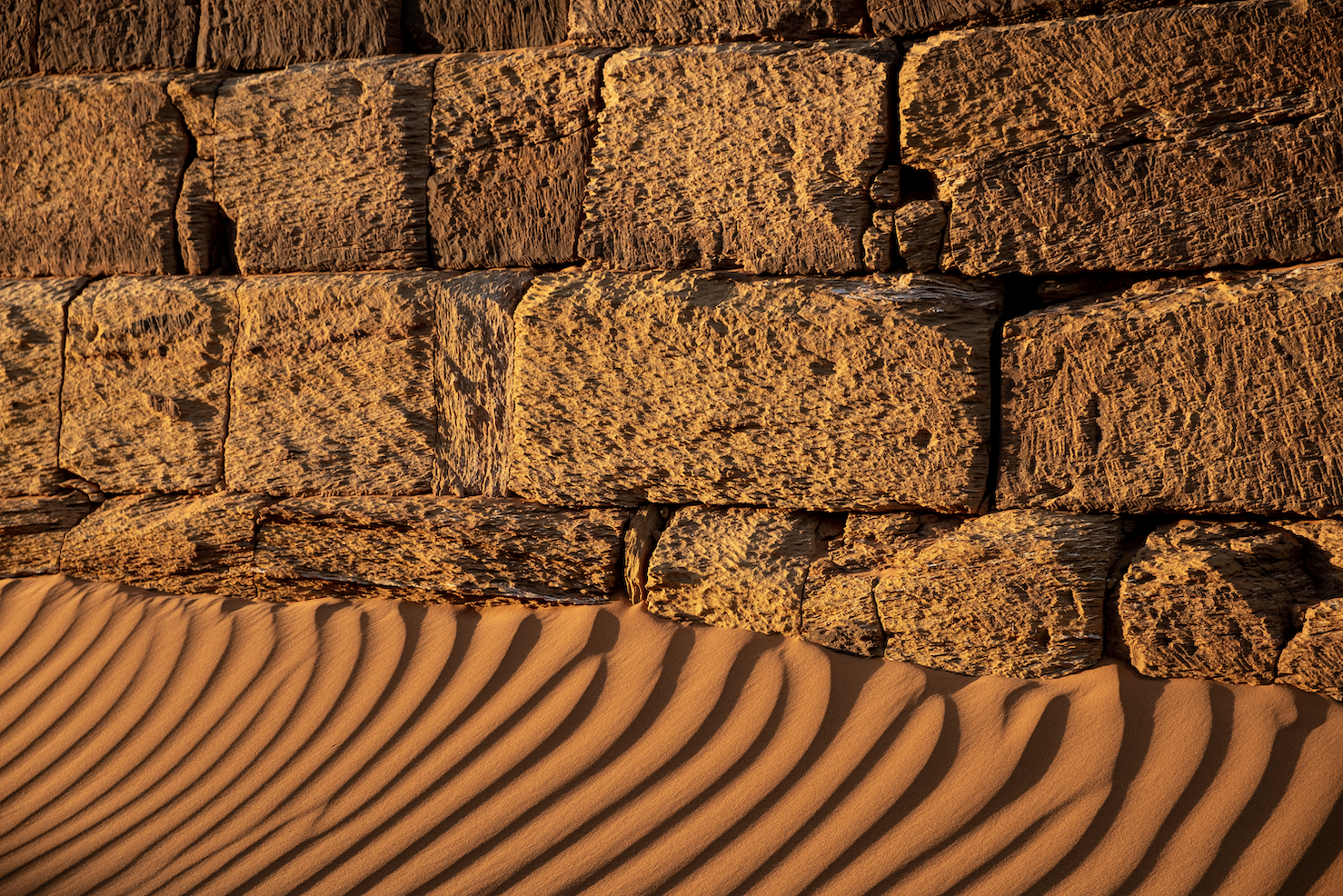
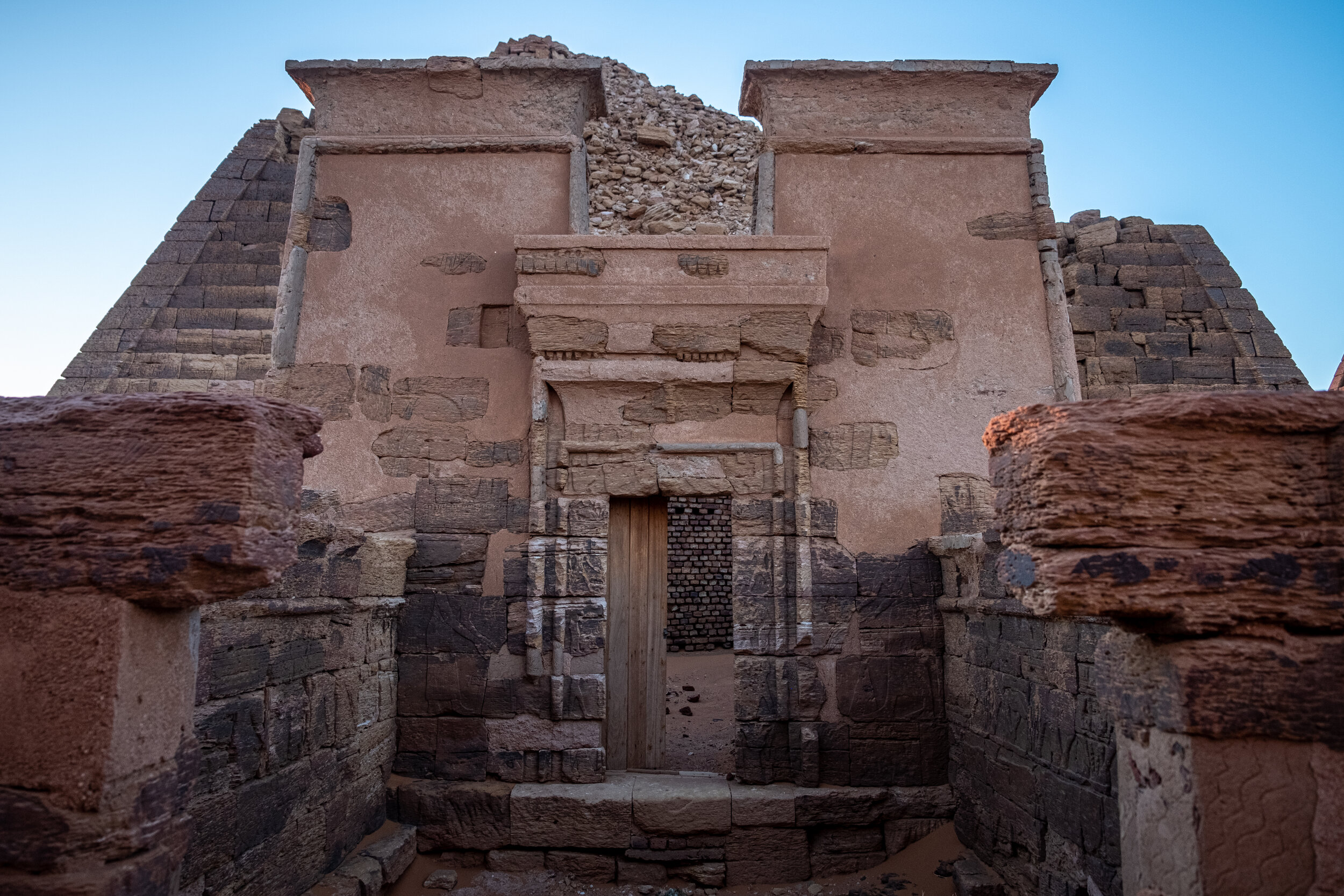
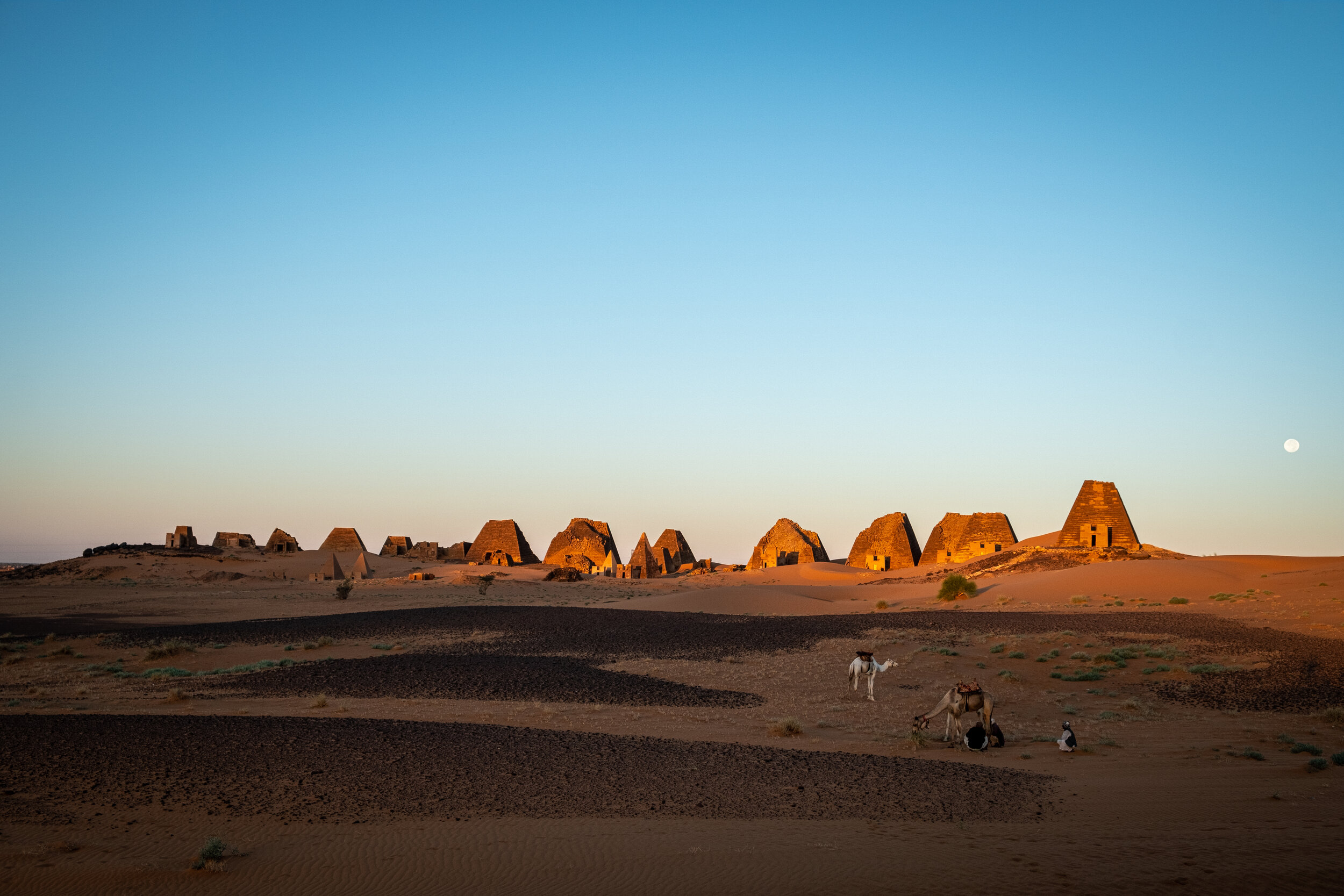
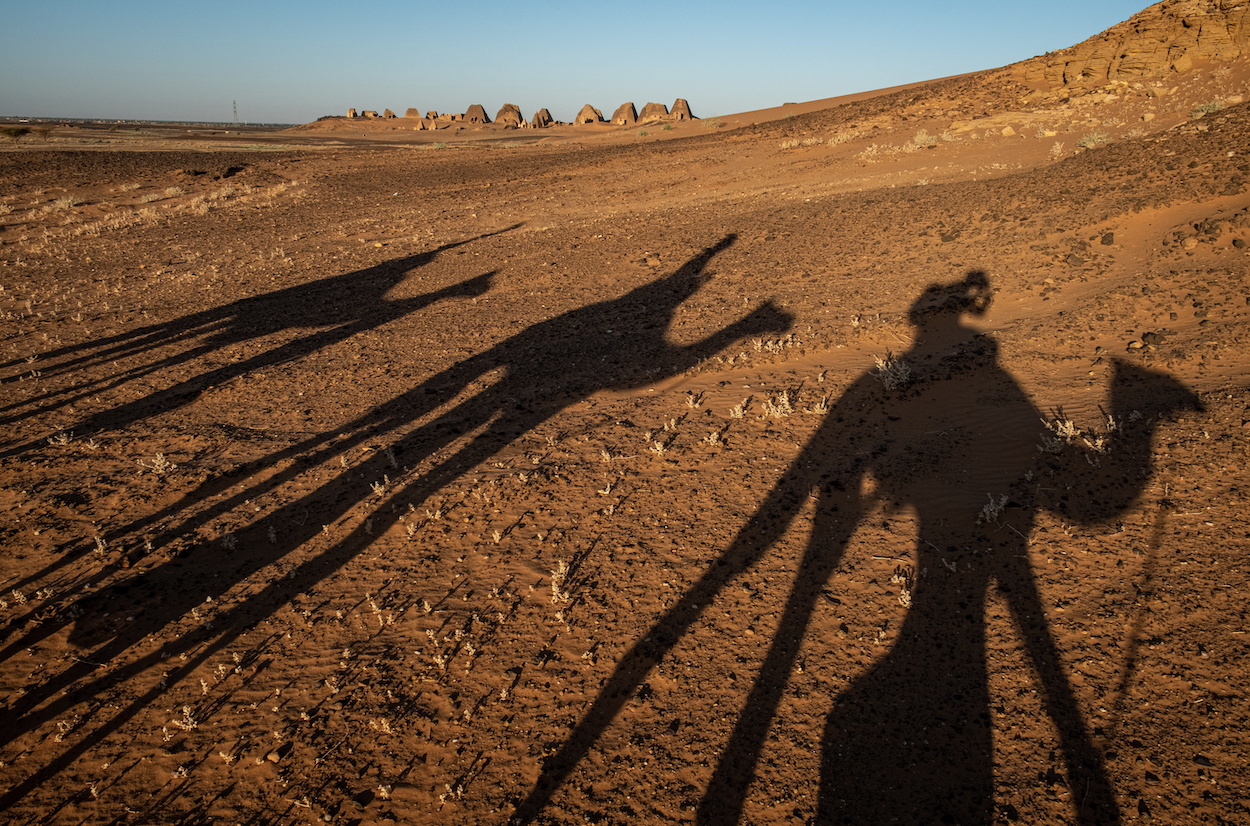
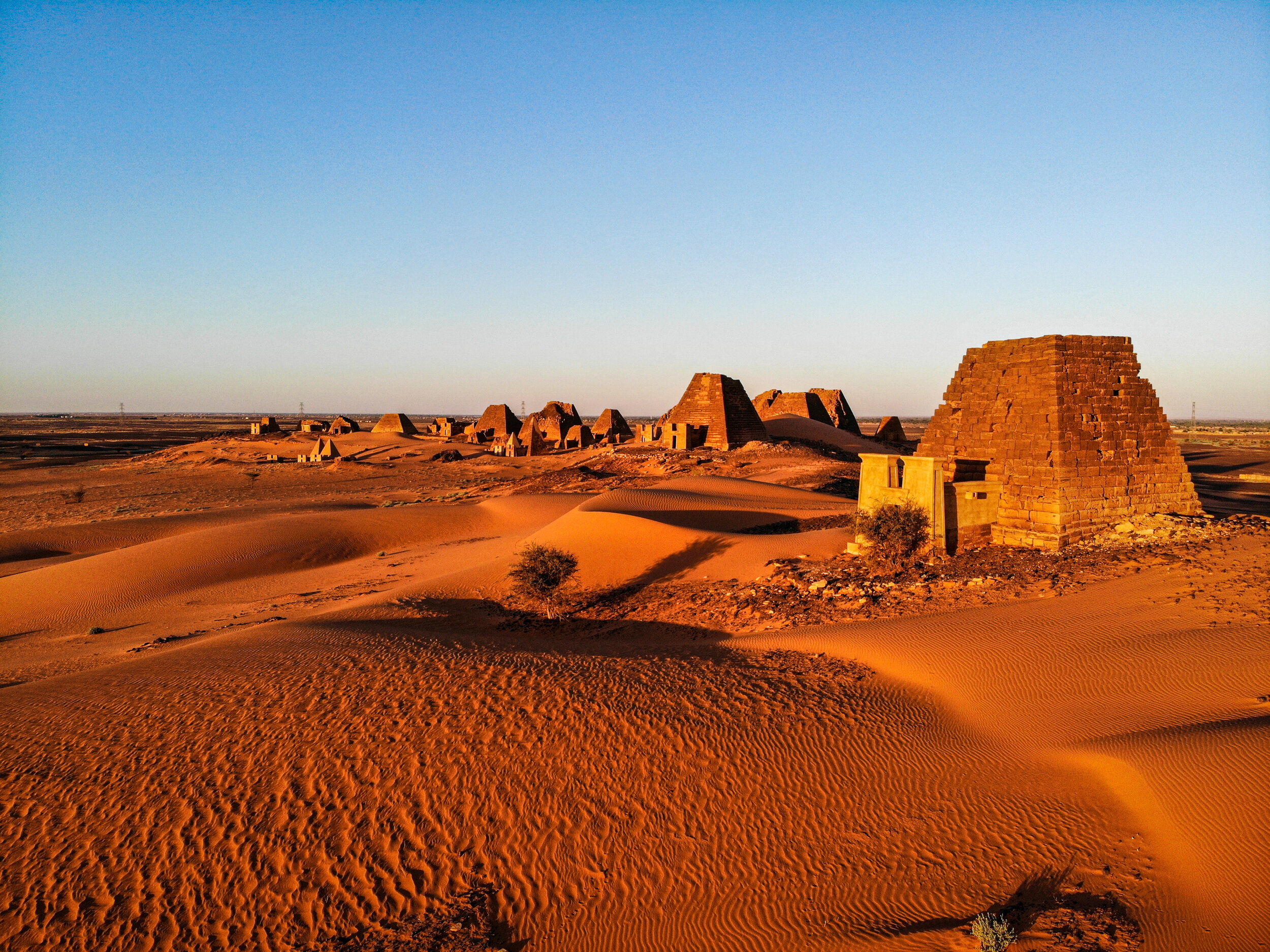
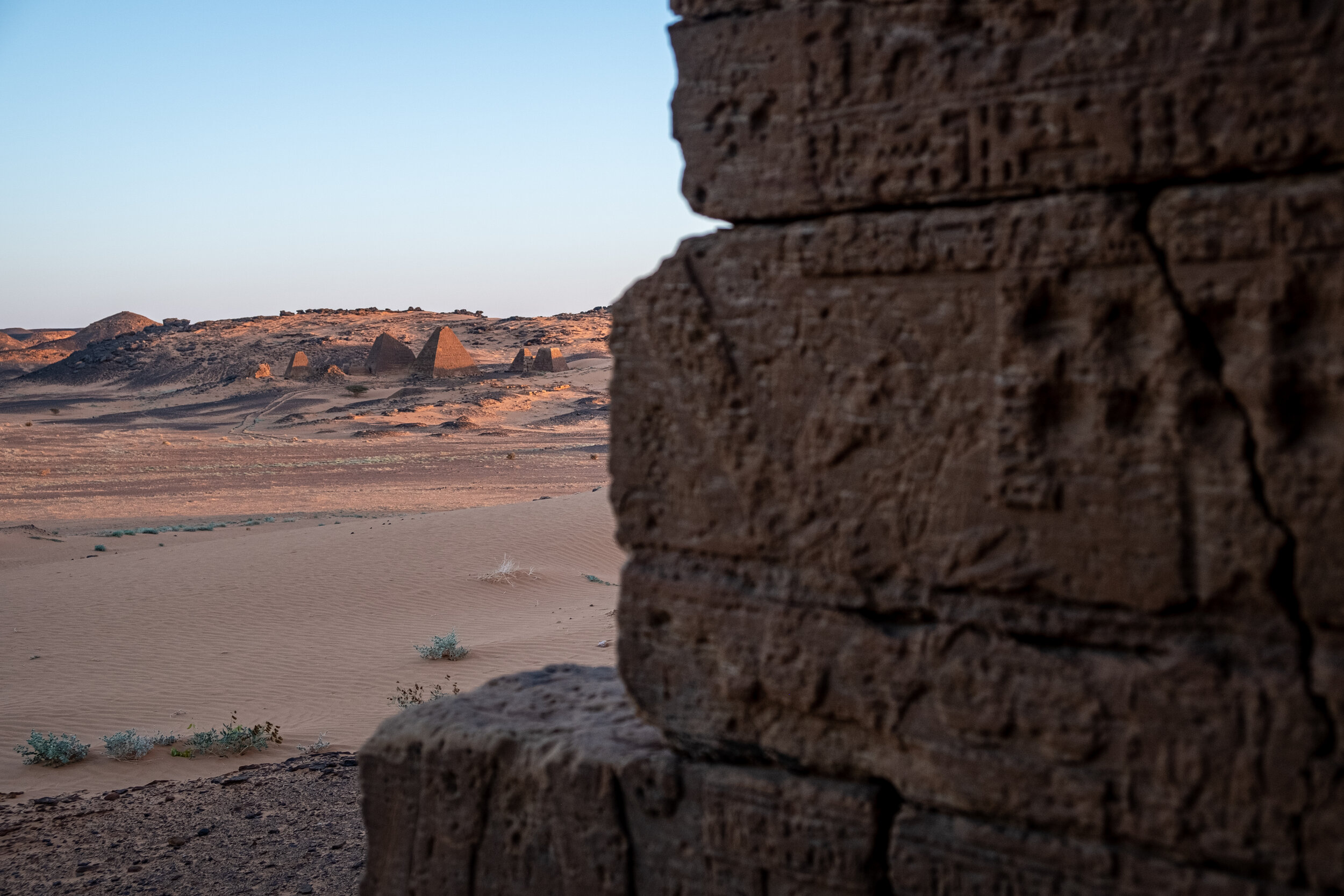
New work for the Financial Times: a photo series of the Sudanese pyramids of Meroë
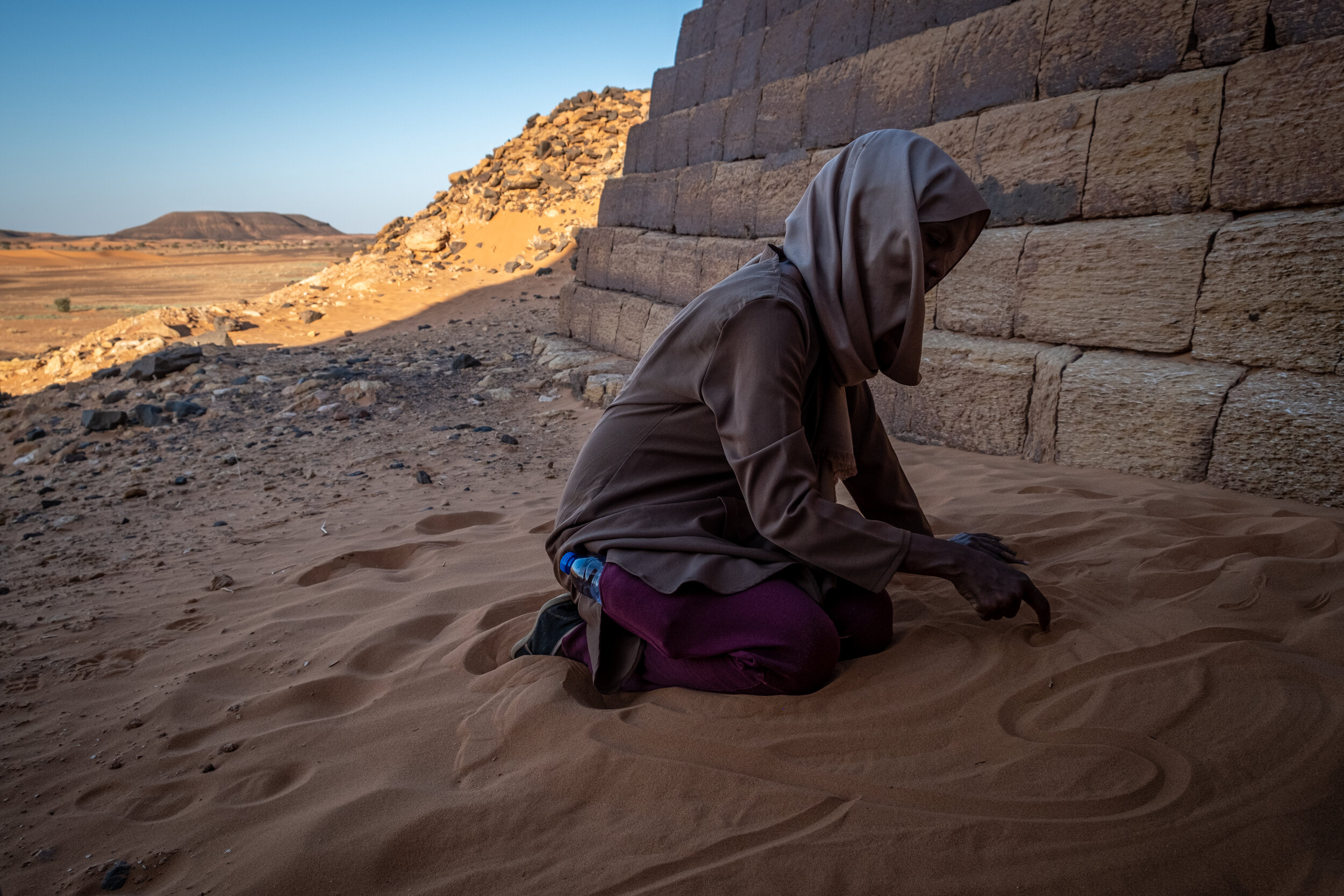
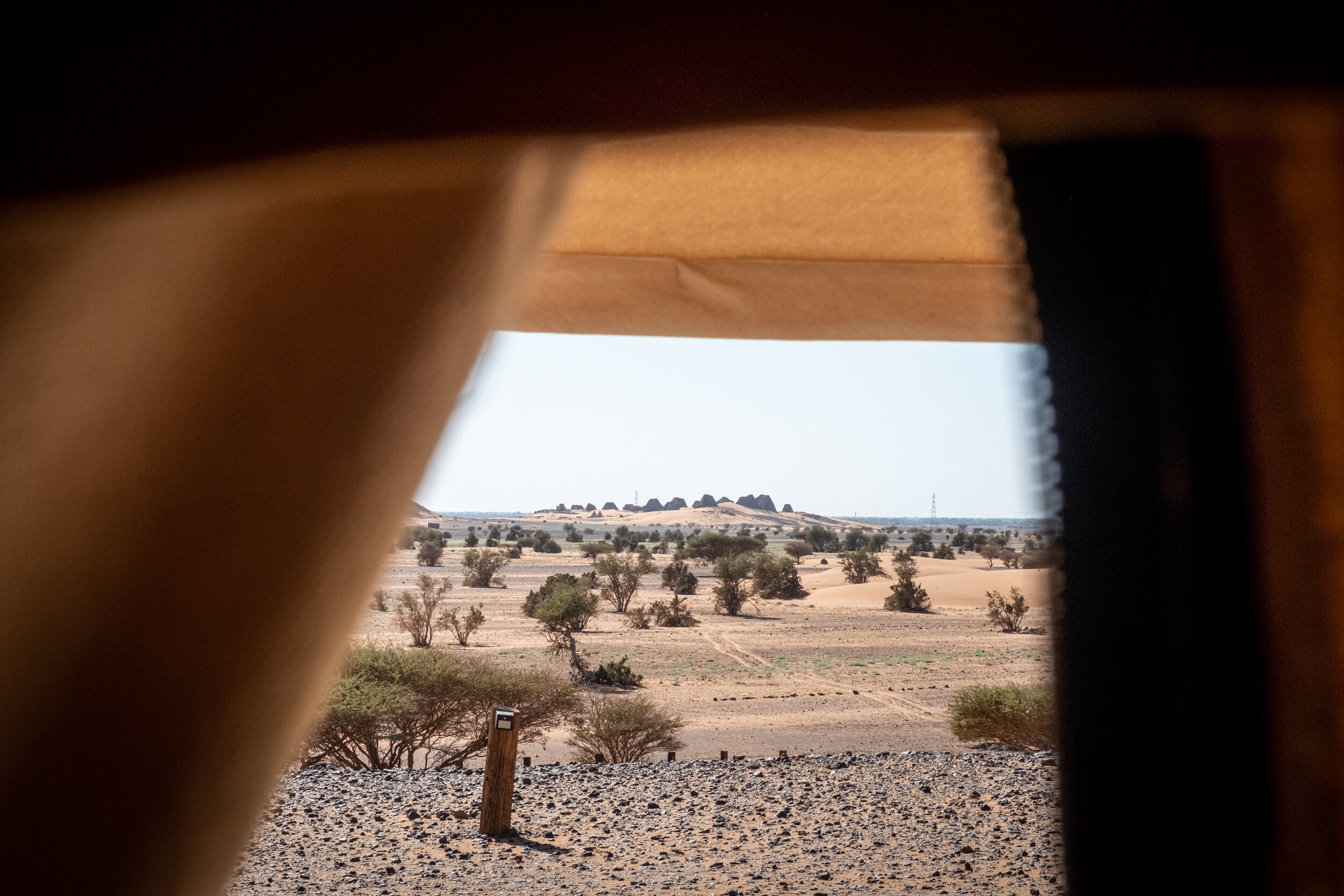
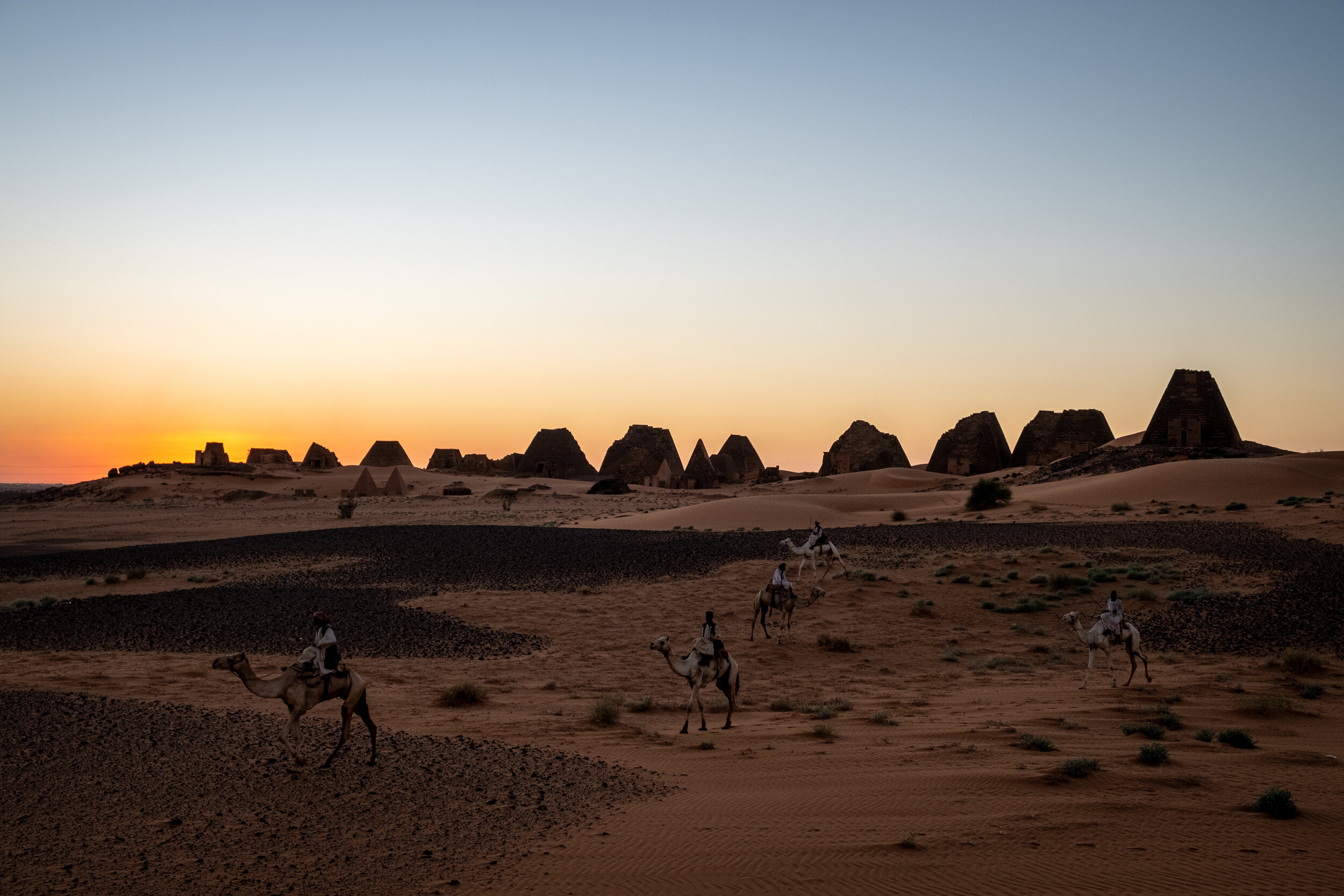
For my first Financial Times assignment, I photographed the pyramids of the royal city of Meroë, a site of the Kushite kingdom dating from the eighth century BC, are smaller than their Egyptian counterparts in Giza, at roughly 30m high.
But there are many more, about 100 some 200km from Khartoum, though their tops were blown up in 1834 by Italian treasure hunter Giuseppe Ferlini as he plundered their contents.
The site is largely unvisited by outsiders, apart from the odd group of diplomats, aid workers, and young residents of Khartoum. Stepping alone into one of the world’s greatest archaeological sites may be marvellous for one lucky visitor, but it is also testament to the sluggish state of Sudanese tourism.
“This is the biggest concentration of pyramids in the world. You don't see such a number in one place anywhere else,” says Mahmoud Suliman Bashir, the archaeologist who manages the Island of Meroë World Heritage Site. “It is unique in that you have a site just for yourself,” he adds, comparing the experience with that of other sites with pyramids in Egypt and Mexico, usually teeming with global tourists.
Read the full piece by the FT’s Andres Schipani by following this link, or read more in the posts on my Instagram profile.

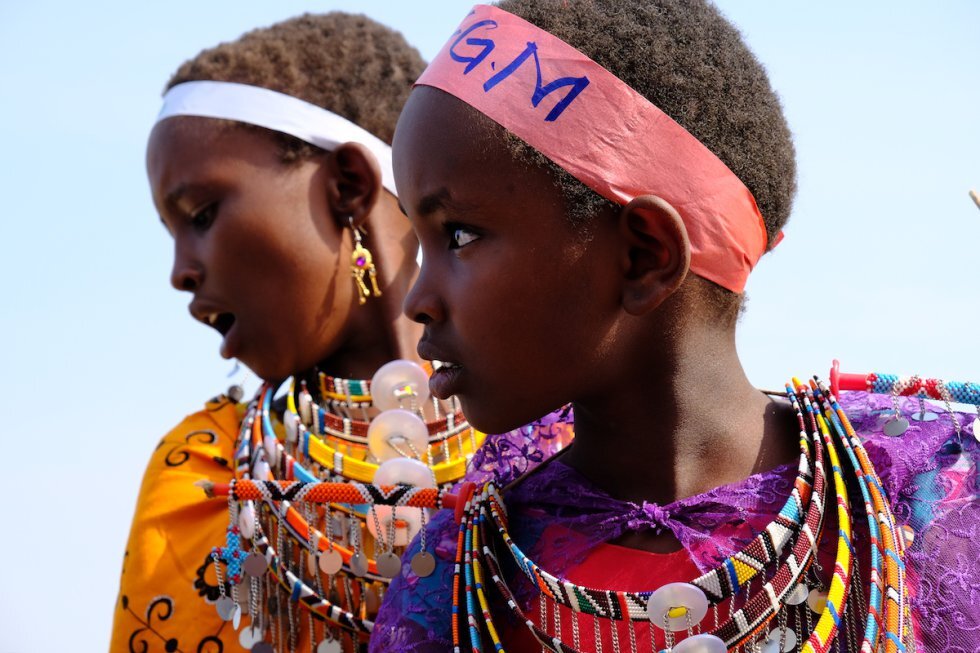
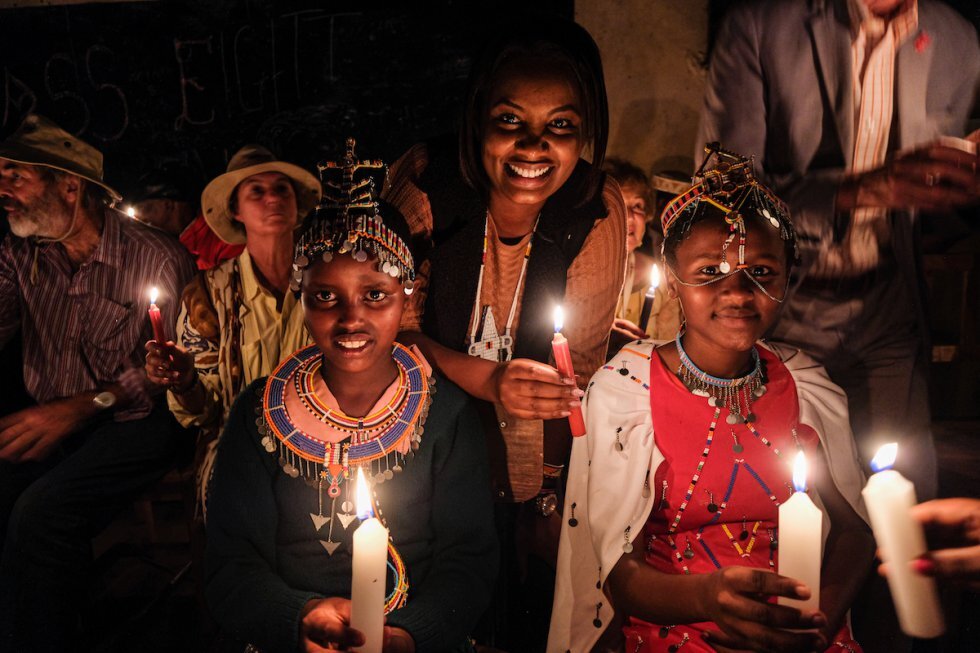
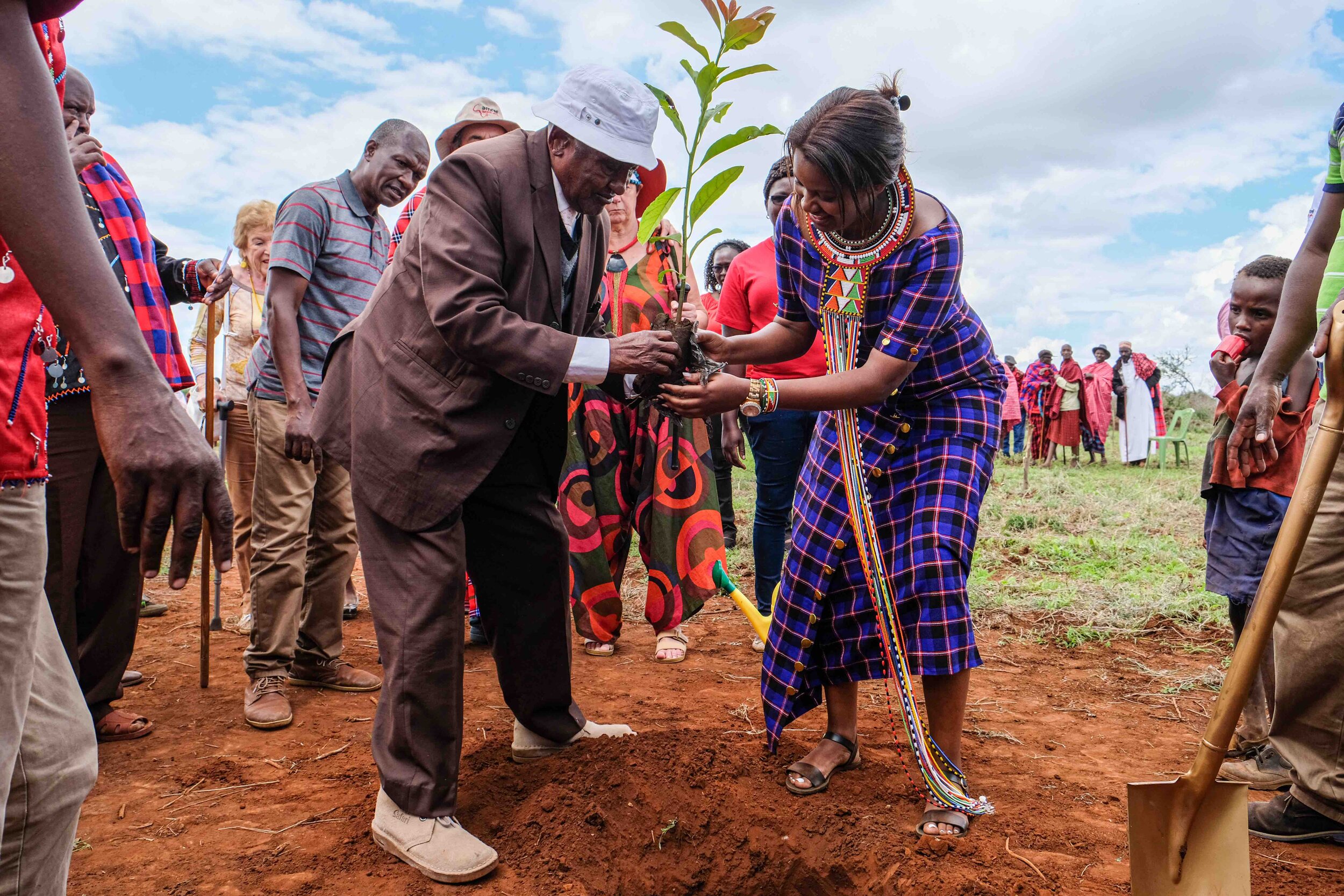
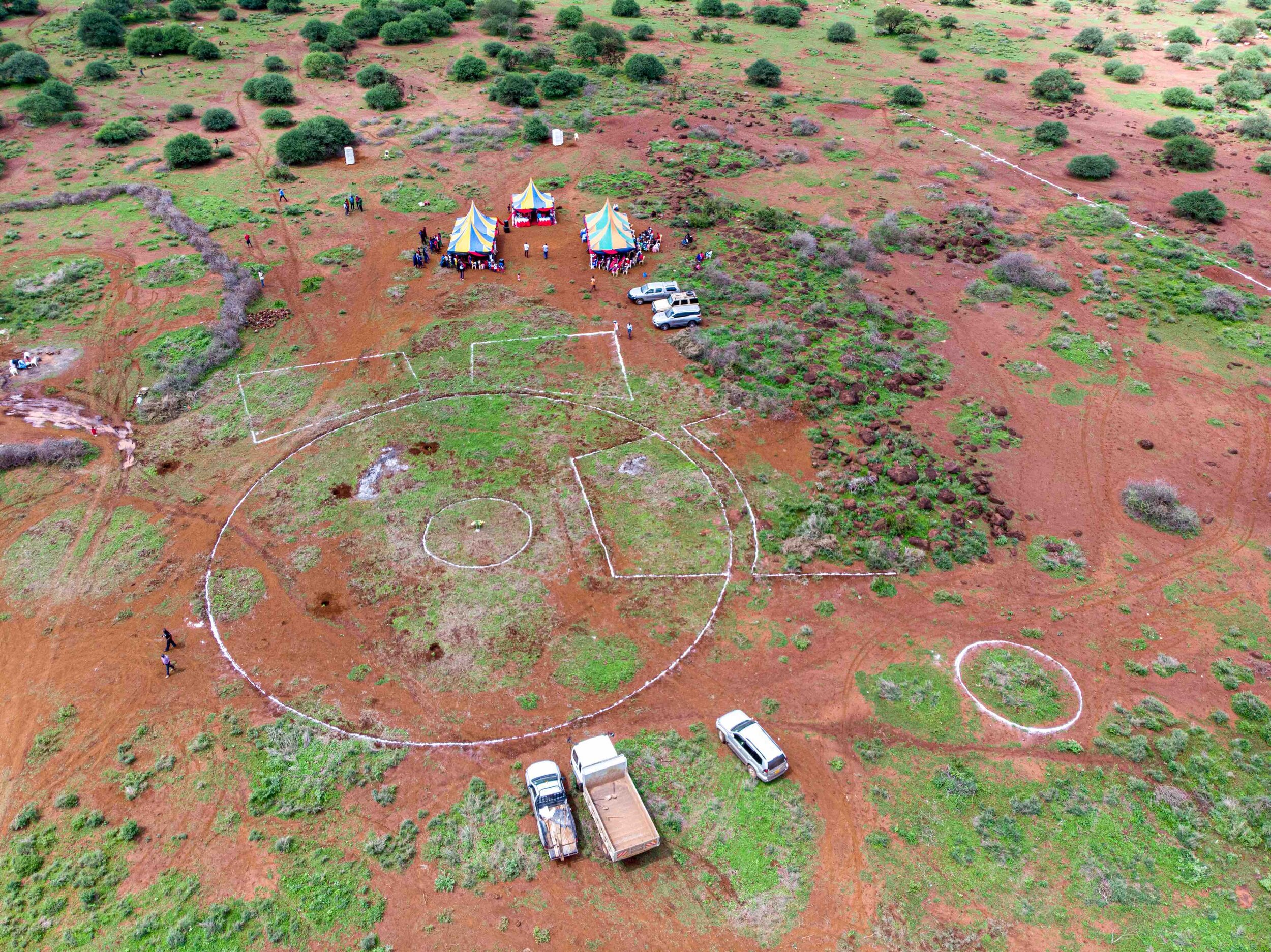
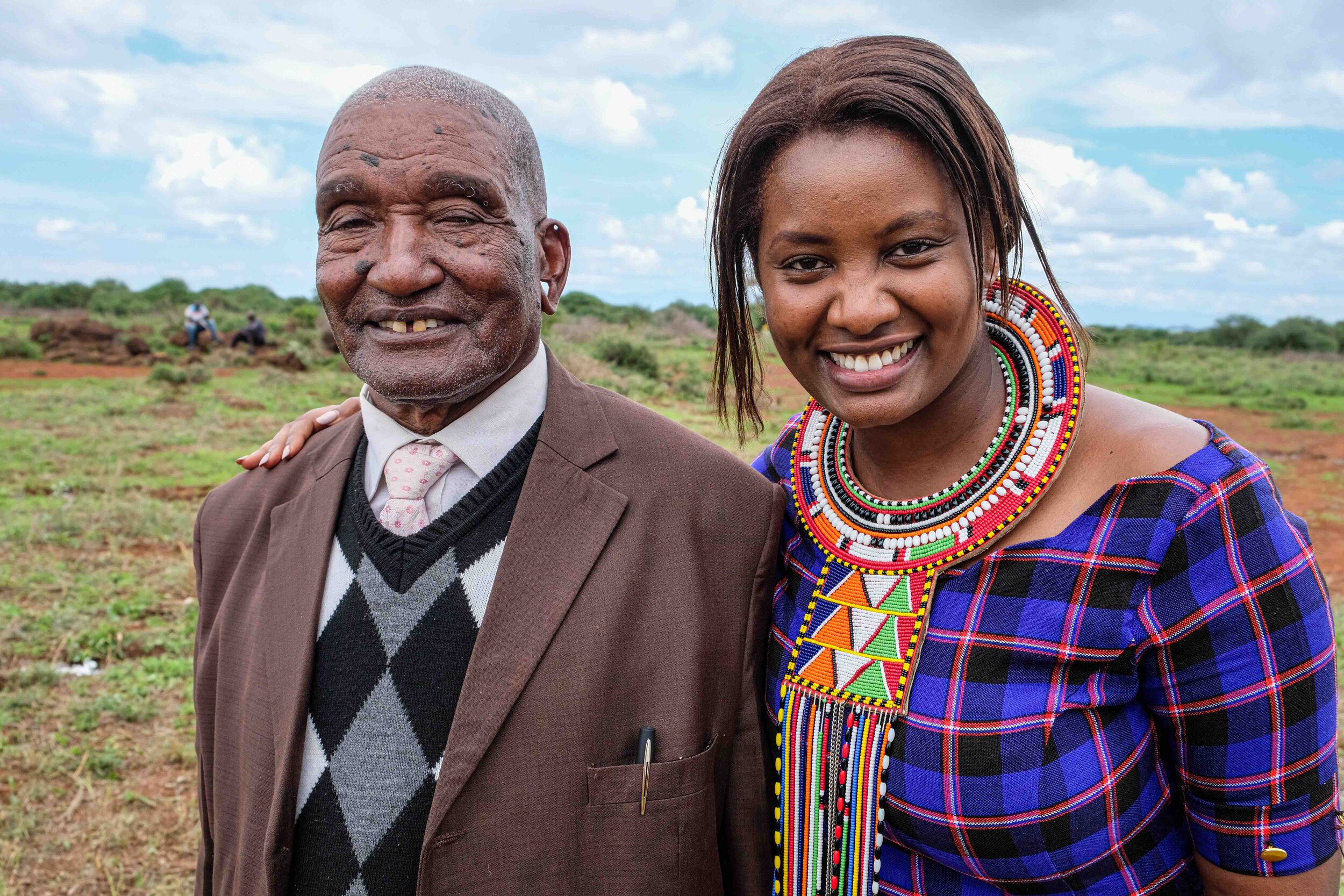
New work for El País: Nice Leng'ete and alternative rites of passage
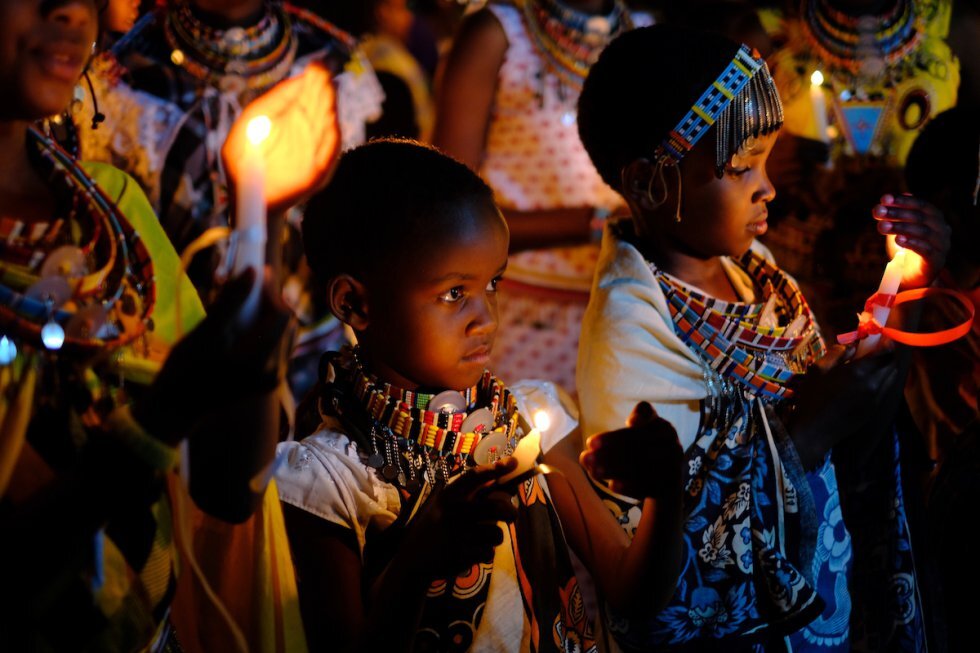
Spanish newspaper El País published some of the pictures I took of Nice Nailantei Leng’ete, who is fighting ancient Maasai traditions in order to put a stop to female genital mutilation, also known as ‘The Cut’. El País focused on her work and published some of the pictures I took of Nice and her grandfather, when I worked on assignment for Amref Health Africa.
To see more pictures in their slideshow, follow this link to the El País ‘Planeta Futuro’ website. To read the (Spanish) article about Nice, click here.
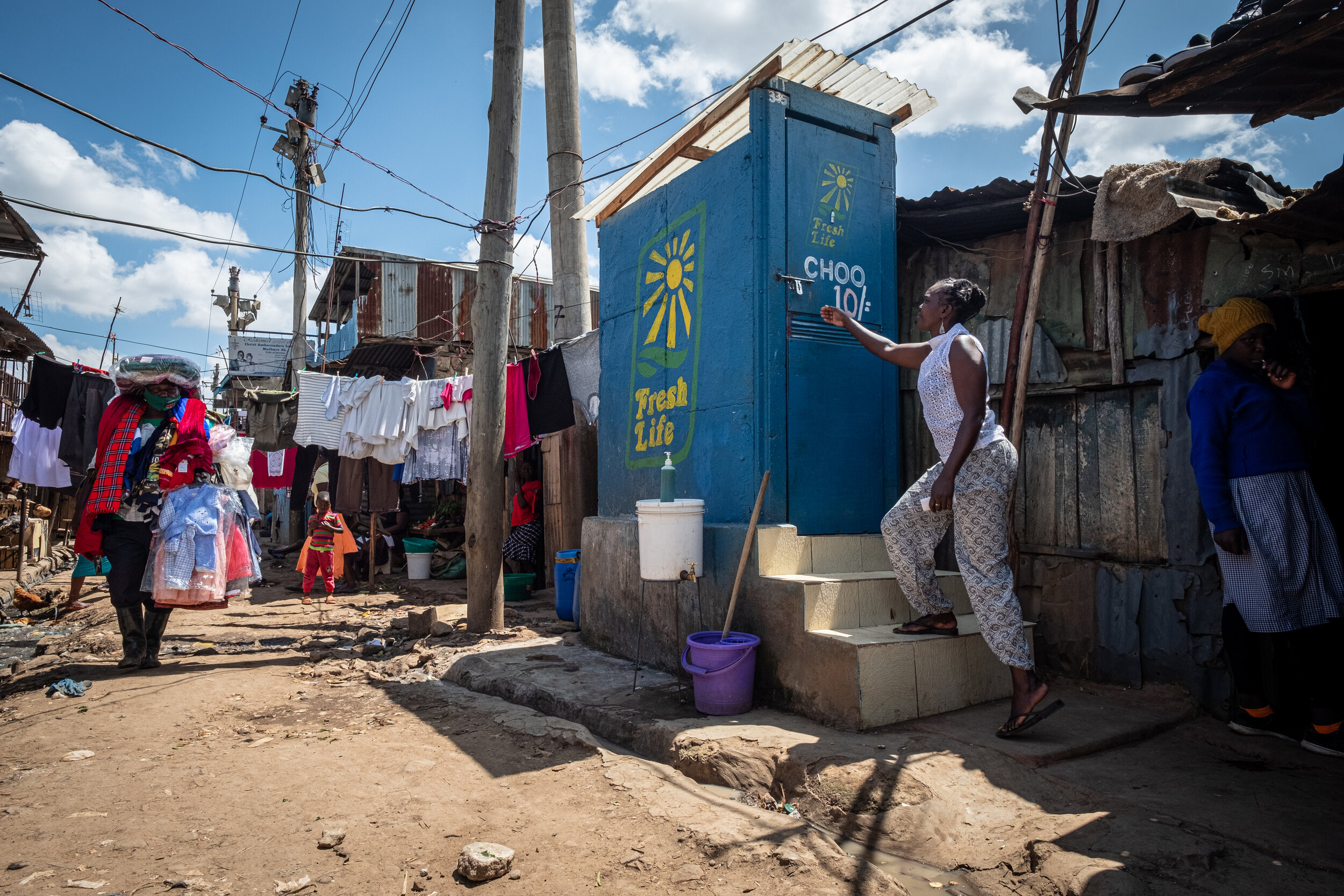
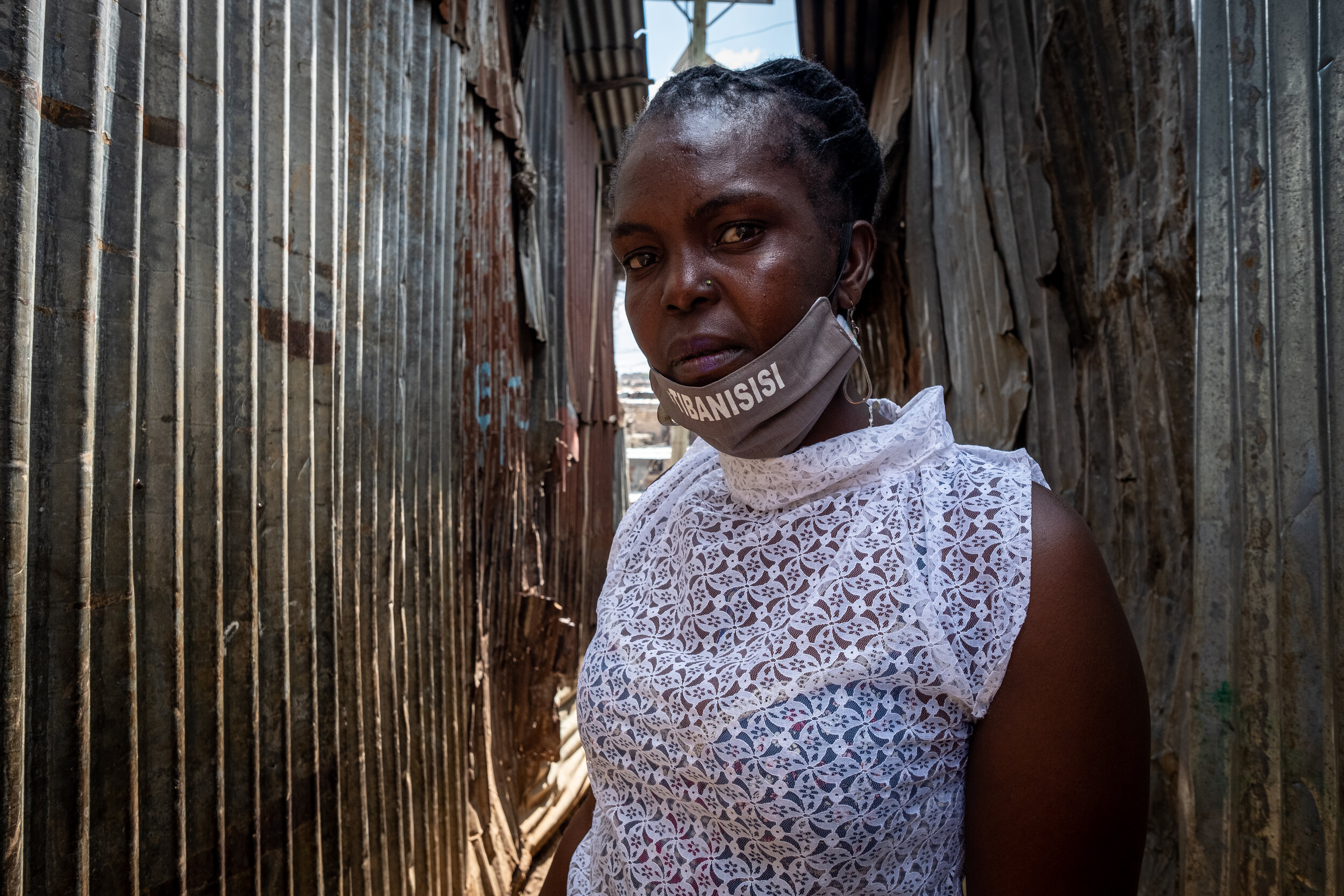
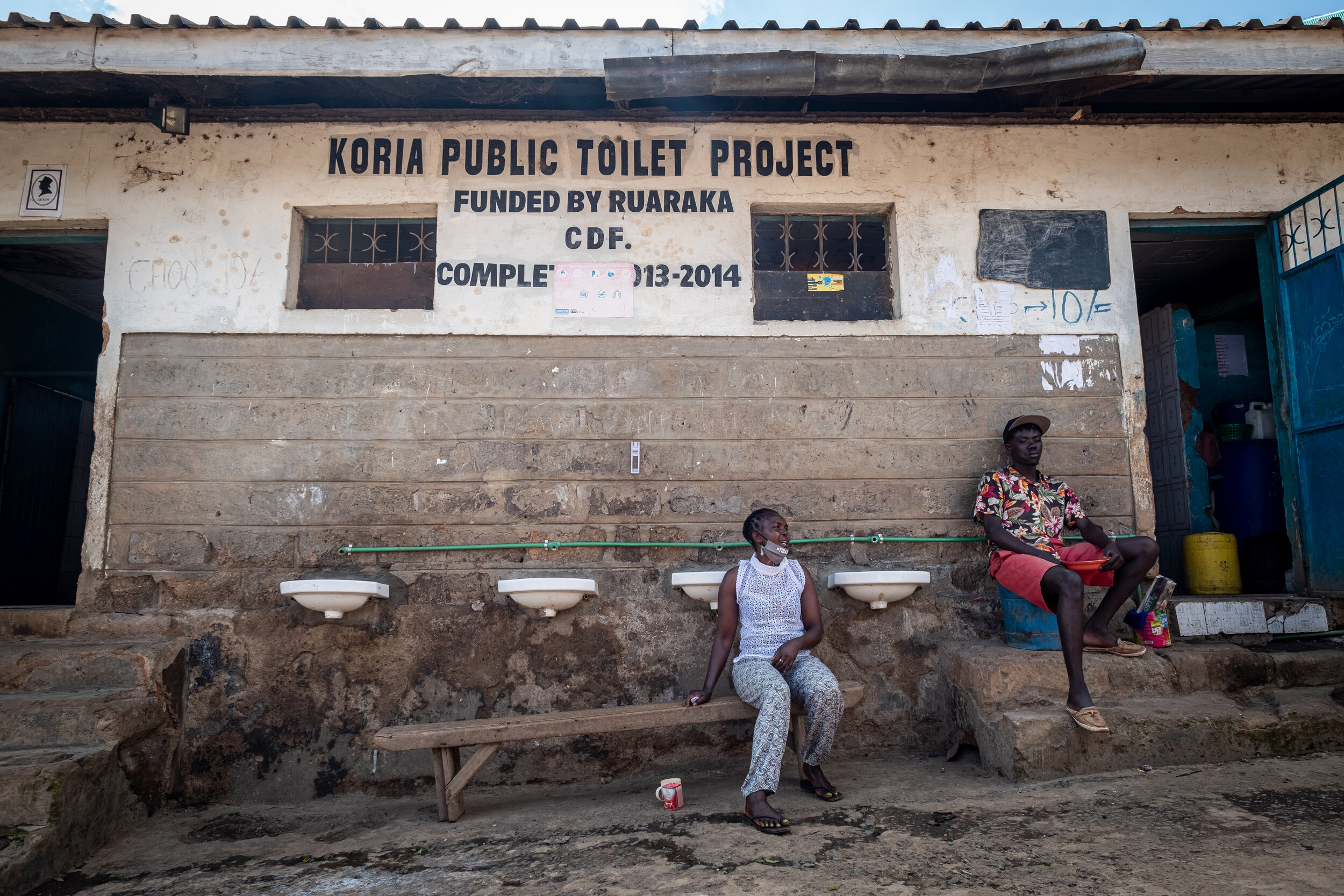

New work for Trouw: a story about public toilets in Mathare
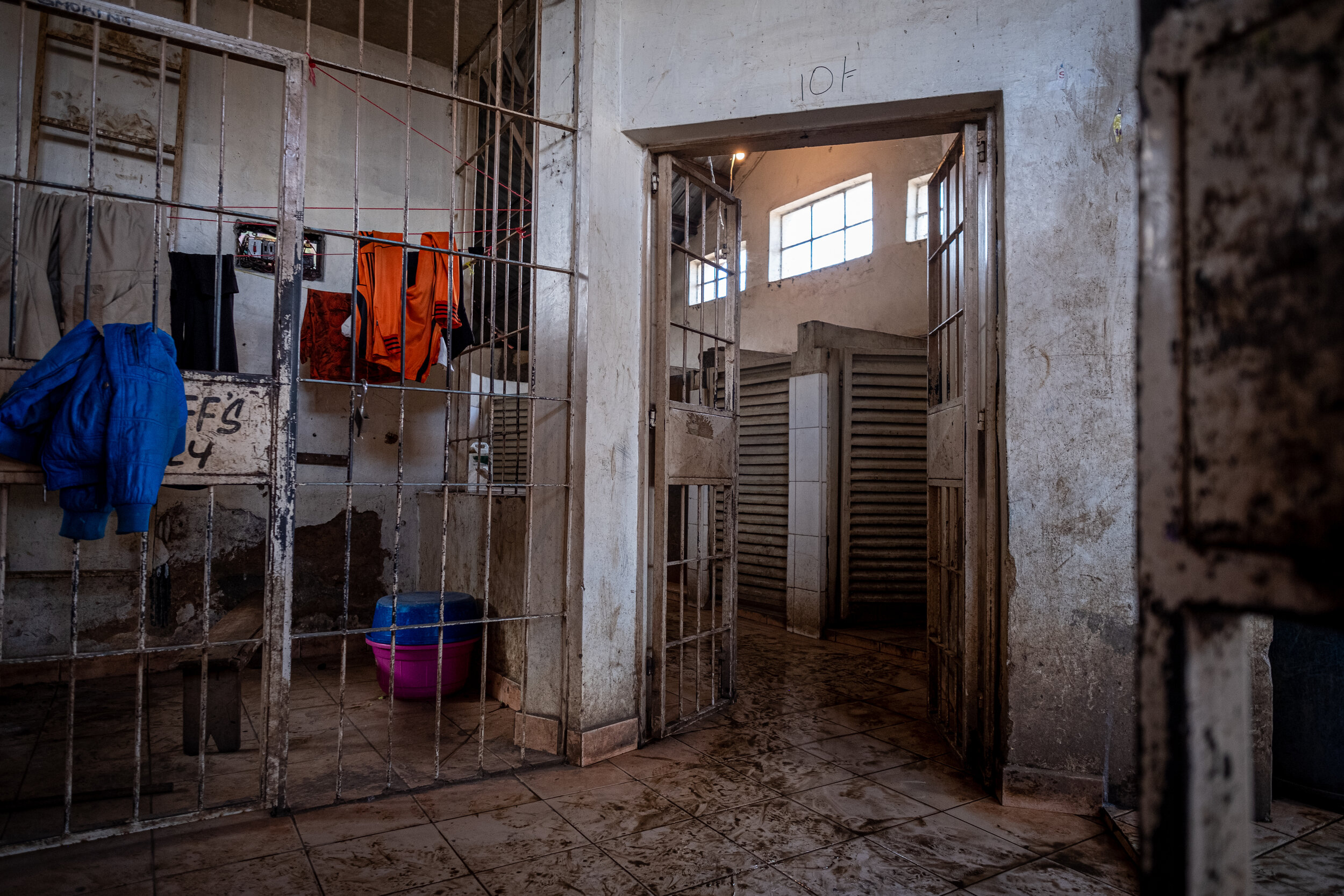
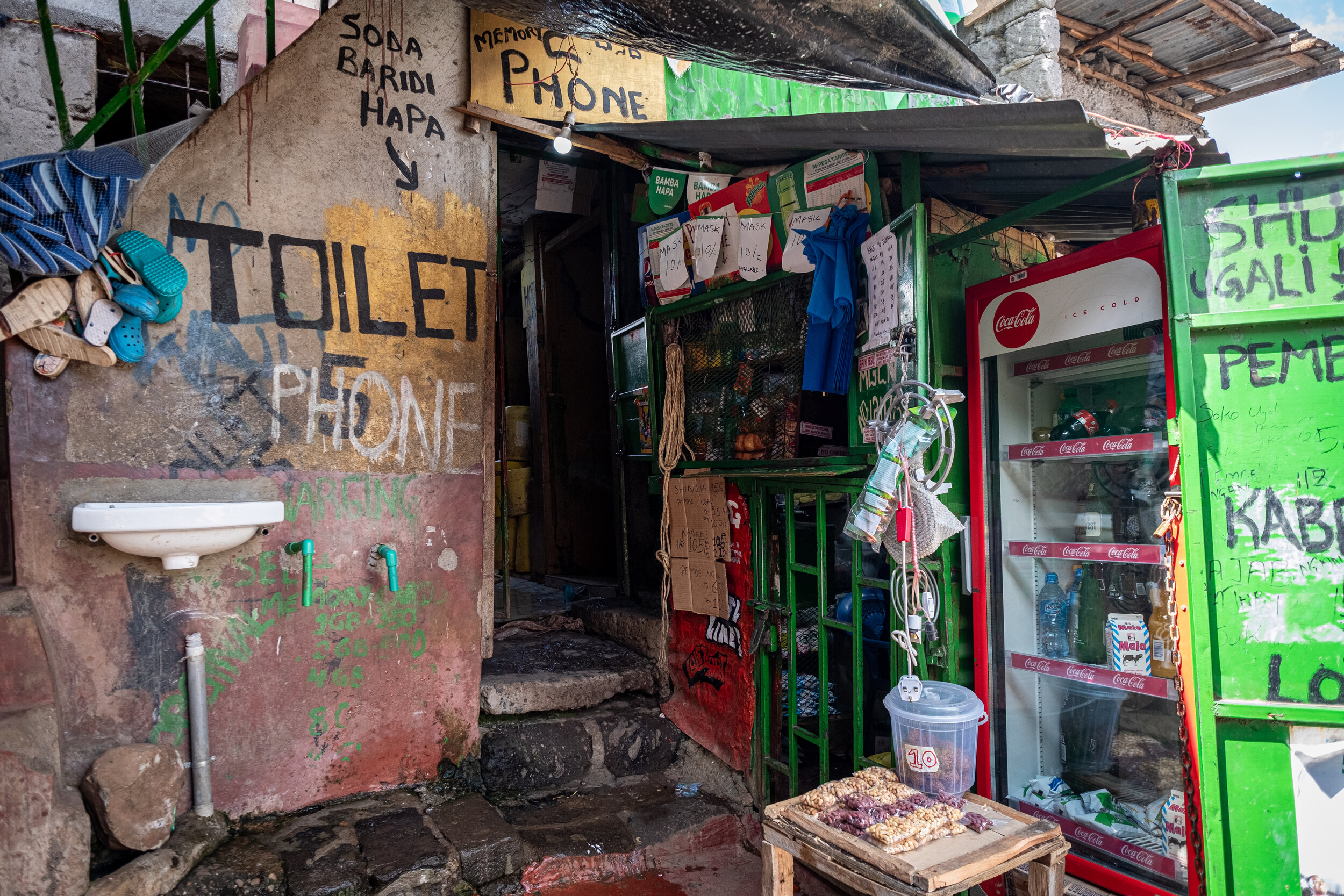
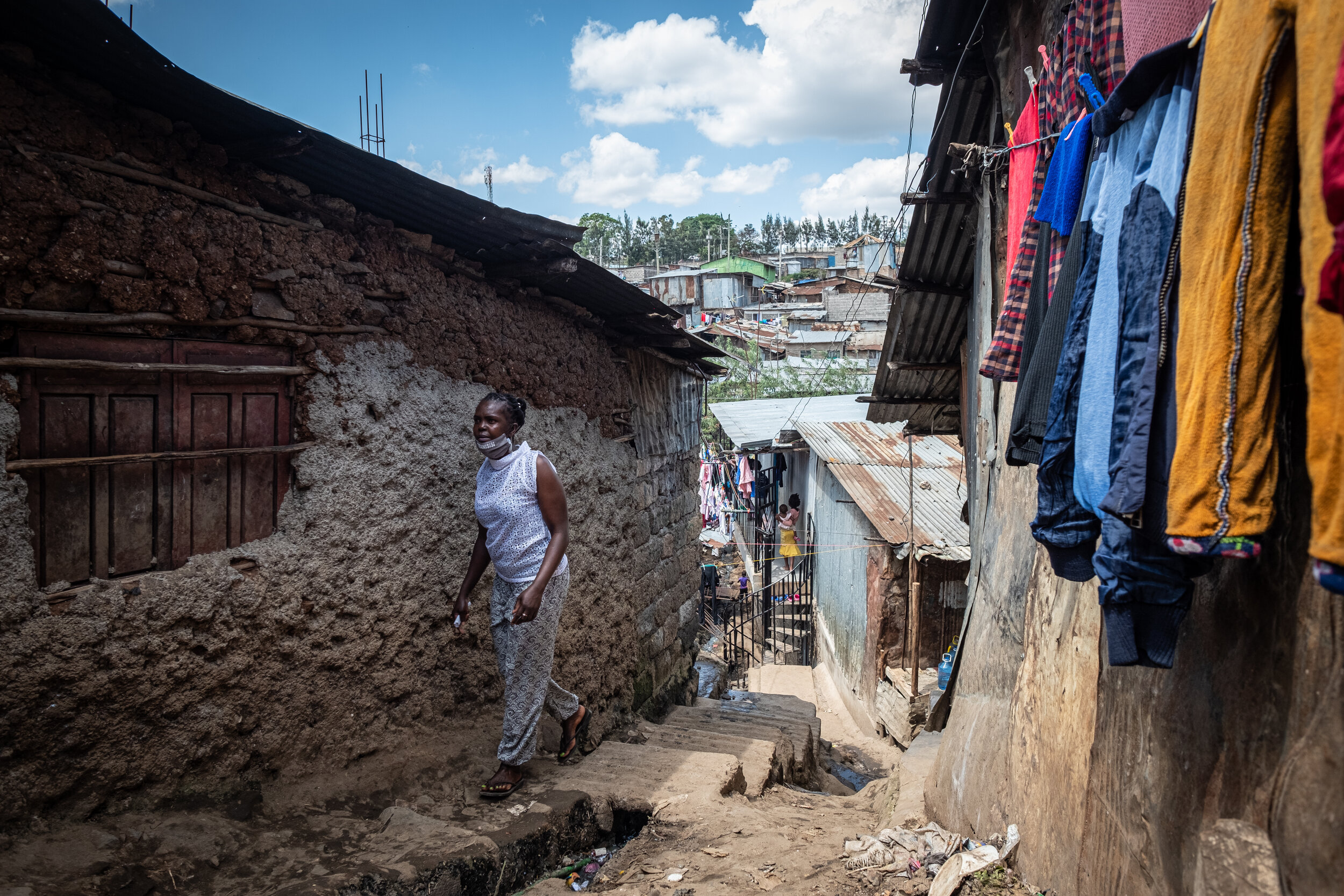
Where do you go to the toilet if you live in an informal settlement (aka a slum)? Lidia, who lives in Nairobi, showed me around her Nairobi neighborhood Mathare and the sanitation situation there. “A house with its own bathroom is my big wish. But I fear this will remain a dream. ”
Mathare consists of small houses made of stone or clay and wood, covered with corrugated iron. There are some beds in Lidia’s room, one corner is meant for cooking, and her belongings are stacked from the ground or are hanging from hooks from the ceiling. Next to the door stands a blue bucket with a lid, her toilet for the night.
“During the day we go to the public toilet,” Lidia says, “about a five minute walk from here, but at night we use this bucket. Despite the lid, the house smells unbearable, especially when one of us has diarrhea again. And so I get up early in the morning, and take the bucket to the river to empty it.”
“As you can see and smell, the public toilets are not cleaned daily. But it's better than nothing. The worst thing about communal toilets is that moment when I have to urgently and there is a line at the entrance.”
"I was born and raised here, my parents live here, it is my home. We could move to the countryside, but what do you do there if you don't own any land? Moreover, education is worse there than here in Mathare. I want to offer my children the chance for a better life, hopefully in a house with a toilet. ”
Words by Ilona Eveleens, pictures taken by me on assignment for newspaper Trouw in Mathare. Click here to read the whole story, on the Trouw website.


New work for WFP, OCHA & UN: Ethiopian refugees in Sudan
When I was in Sudan, I had the privilege of working on an assignment for this year’s Nobel Peace Prize-winners: the World Food Programme. WFP commissioned 32 pictures that I have taken in refugee camps Village 8 and Um-Rakoba.
The United Nations has used some of the images on their UN News channel and OCHA daily briefings, which you can see below. More pictures taken in Sudan can be seen on the website of the World Food Programme and on the website of British newspaper The Independent.


WFP / Arete / Joost Bastmeijer
New work: reporting on the Tigray conflict for The Telegraph
Fleeing the conflict in Ethiopia’s Tigray region, tens of thousands of people walked days to get to neighboring Sudan, where they are staying in crowded refugee settlements. On assignment for British newspaper The Telegraph, I traveled with Africa correspondents Saskia Houttuin and Will Brown to eastern Sudan, where we were some of the first journalists to talk to refugees.
The Tigrayans told us horrifying stories, about indiscriminate bombings, machete attacks, decapitations and executions. But it’s hard to check if their stories are true, as in Tigray, the electricity and communication services have been cut off for weeks. On top of that, journalists are not allowed to enter the region to do their work independently. And so the only way to get an idea of what might have happened in Northern Ethiopia, is to talk to the many refugees that we found in the camps.


To read some of the stories that Will and Saskia wrote for their newspapers, click through the screenshots below. To read the story I wrote for Trouw’s De Verdieping segment, click here. To hear the radio interview I did for ‘Met Het Oog Op Morgen’, in conversation with Wilfried de Jong, click here. To hear the conversation I had in the ‘NOS Radio 1 Journaal’ with Jurgen van den Berg, together with Africa correspondent Bram Vermeulen, click play on the video underneath the newspaper clippings (or click here). To listen to NOS podcast ‘De Dag’ about the situation in the Sudanese camps, click play on the player below.


In addition to the work I did for The Telegraph, NOS and Trouw, I also worked for NGOs, who are working on the ground to help the Ethiopian refugees. To see some of the work I did for World Food Programme (WFP), click here. The photos I took for Save The Children can be seen here. To see the video interviews and pictures I created for Dutch refugee NGO Stichting Vluchteling, click here. And to see the pictures I took for ZOA, click here.


Samsam & Media: Simantoi (9) loves to listen to the radio
For the newest edition of Samsam Magazine, I interviewed Simantoi (9) from Maralal! As this edition’s theme of the magazine for schoolchildren in The Netherlands is ‘Media’, I asked Simantoi how she knows what’s going on in the world. She told me that because she is from Samburu, a region in Kenya, that she listens to radio a lot. Not only because they play songs in ‘Maa’, the language of her grandparents, but also because she likes to listen to radioshows about Samburu’s mythology.
“My favorite radio station is Serian FM,” Simantoi says. “They broadcast a lot of nice programmes, so I listen to them at least for an hour each day.” On Saturdays, the radio station makes a programma that like children’s magazine Samsam, is only meant for children. Children even come to the studio, which sits on one of Maralal’s hills. Together with Simantoi, I traveled to see Joseph and Nick, who explained us a bit more about the importance of radio in Samburu.
To read the whole piece (in Dutch), enlarge the picture below or follow this link to Samsam’s website.

New work for The Guardian: Will Samburu's children go back to school?
I’m very happy to share that The Guardian published twelve pictures I took in Samburu, in the photo essay section of their website. The story that goes with all photographs, about worries over Samburu’s children who might not return to school as they are once again living a traditional way of life, was written by Saskia Houttuin.
See the whole photo essay here, on the website of The Guardian.
Click here to read more about our frontpage coverage about Samburu for NRC Handelsblad.

Elections in Ivory Coast: in photos
For almost a month, I’ve been taking pictures in Ivory Coast as the West-African country organized elections, which were boycotted by the two main opposition parties. In the slideshow below, you can find a selection of photographs.


Interview 'De Buitenlandredactie': life as an Africa Correspondent
For foreign news journalism platform De Buitenlandredactie, Saskia Houttuin and I were interviewed about covering news events (like the elections in Ivory Coast) in Africa.
“During the elections in America you can see that just about any former America correspondent is traveling across the US once more, to make special reports or programmes there. So there are many possibilities to make some good, substantive and in-depth stories there. Why isn't that happening in Africa?
This year there are no fewer than thirteen African countries that hold elections, but in my opinion you read far too little about them in the Dutch media. What is happening in African countries at this moment is incredibly important for the future of a European country like the Netherlands.”
Read the whole interview here.
