• Overview
  • Recent work
  • Clients
  • Photography
  • Articles
  • Video
  • Awards
  • CV
  • About
Menu

Joost Bastmeijer

Foreign Correspondent & Photographer
  • Overview
  • Recent work
  • Clients
  • Photography
  • Articles
  • Video
  • Awards
  • CV
  • About

Hoi!

This is where I post brief updates about my recent work.


Featured post:

Recent work
Nominated for De Zilveren Camera award
about 8 months ago

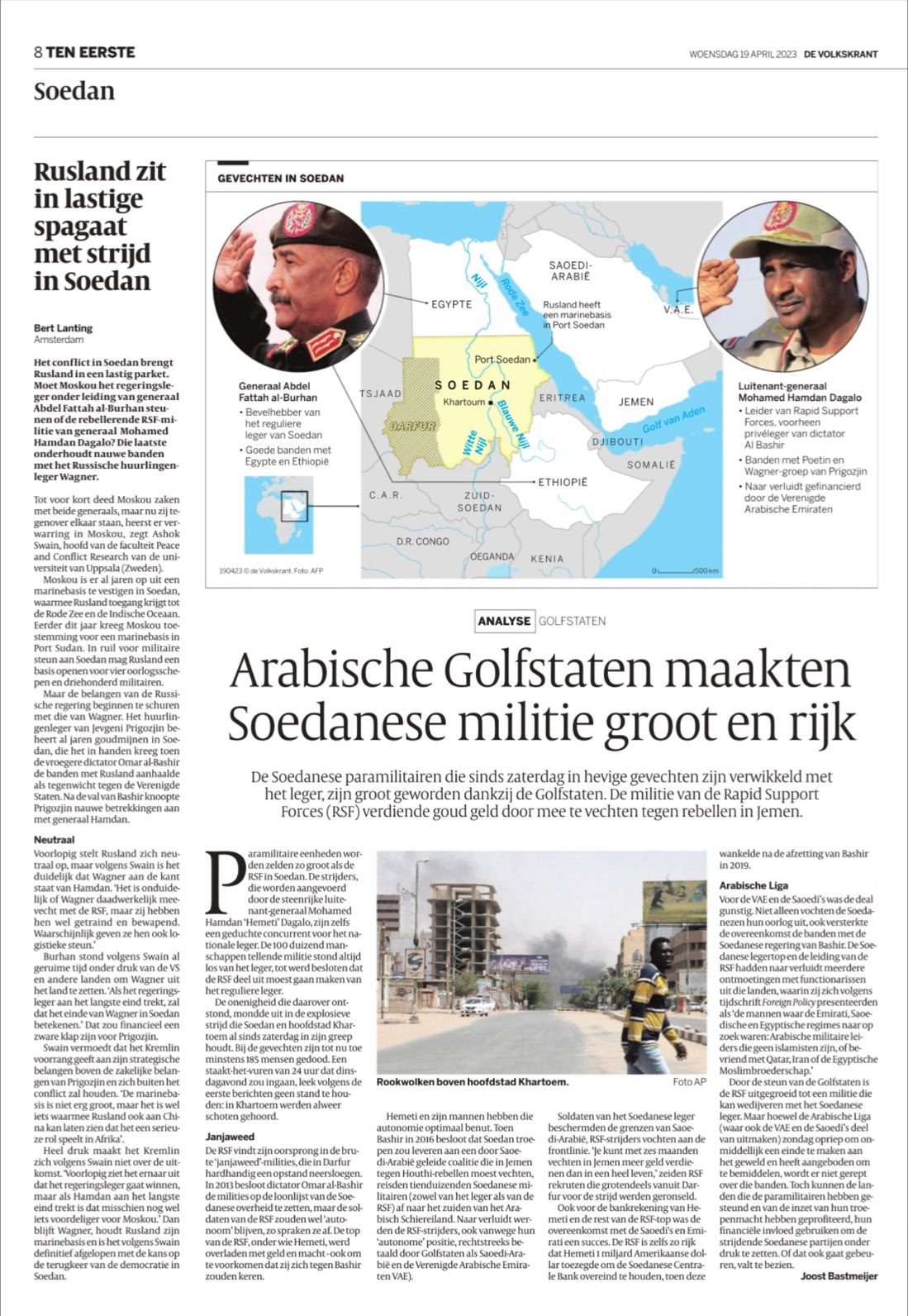
How RSF became rich by money from Gulf states

April 19, 2023

Through lucrative deals with Gulf states, the Sudanese paramilitaries became so big, rich and powerful that they can now rival the Sudanese army.

My analysis of how the RSF benefited from the fighting in Yemen is published in today’s edition of De Volkskrant.

Tags: Sudan, Sudan war, RSF, SAF, Saudi Arabia
Zim Wheat-0407.jpg
Zim Wheat-0390.jpg
Zim Wheat-0485.jpg
Zim Wheat-0490.jpg
Zim Wheat-9623.jpg
Zim Wheat-0347.jpg
Zim Wheat-0407.jpg Zim Wheat-0390.jpg Zim Wheat-0485.jpg Zim Wheat-0490.jpg Zim Wheat-9623.jpg Zim Wheat-0347.jpg

A record wheat harvest for Zimbabwe: a success story from Southern Africa

April 17, 2023

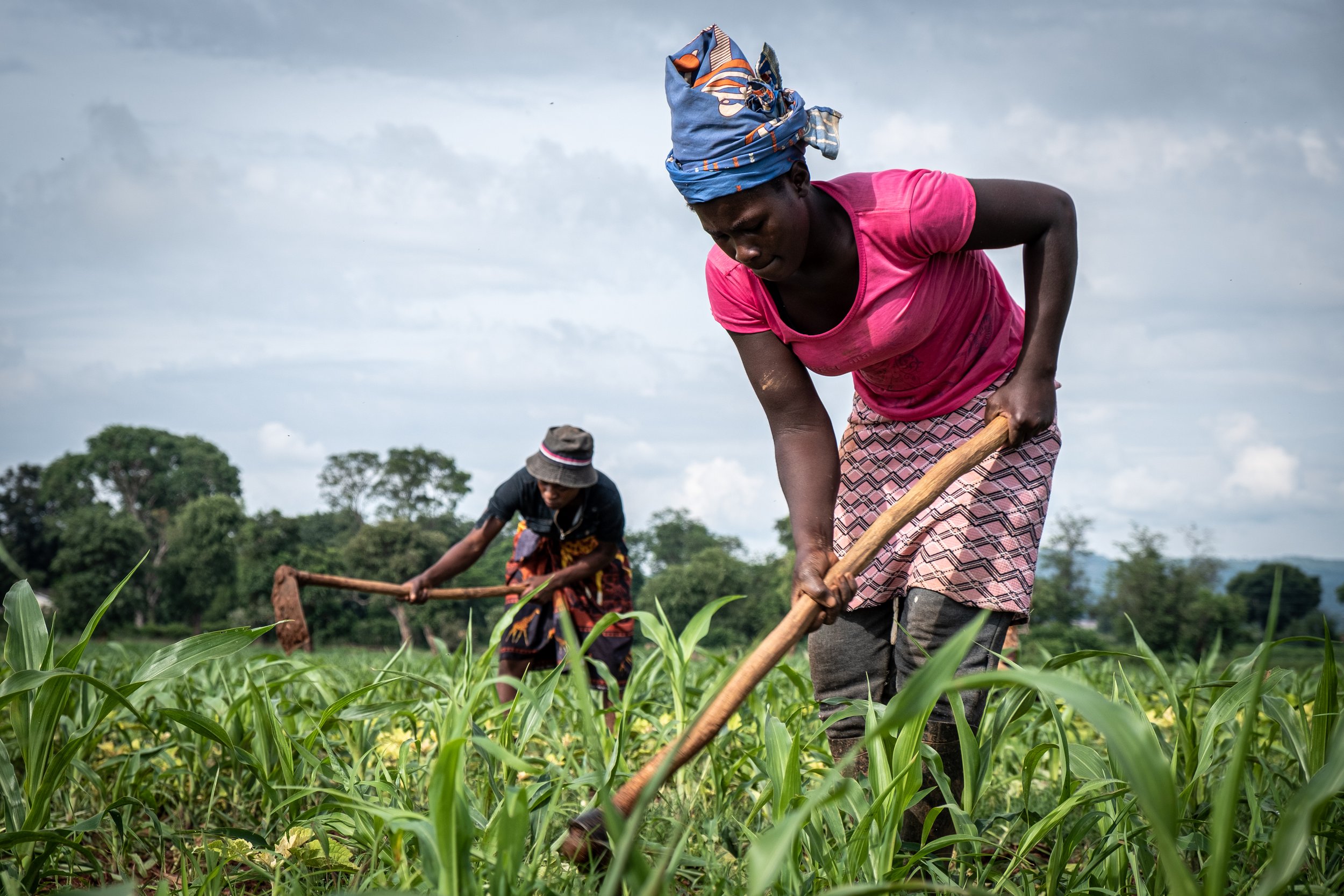
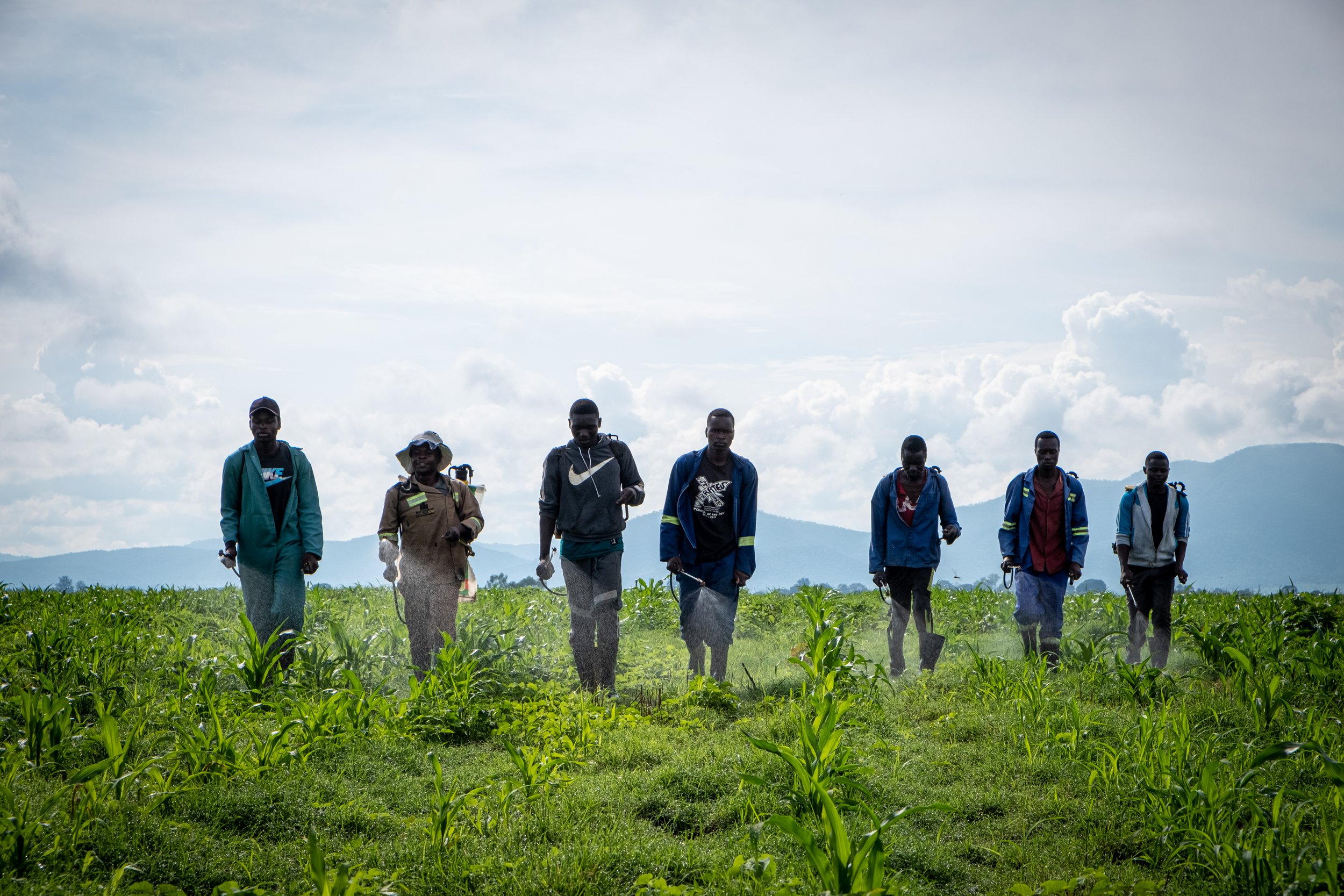
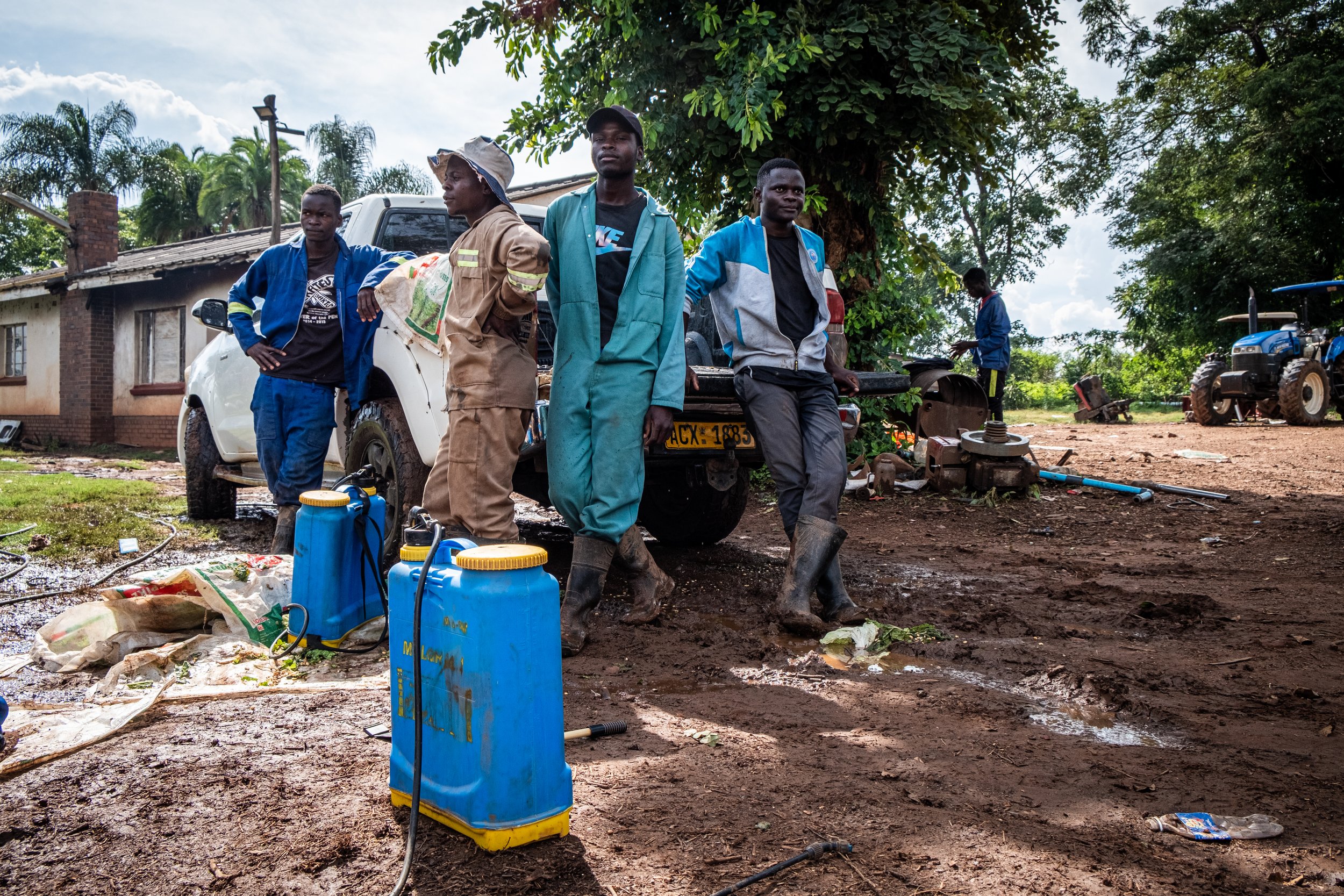
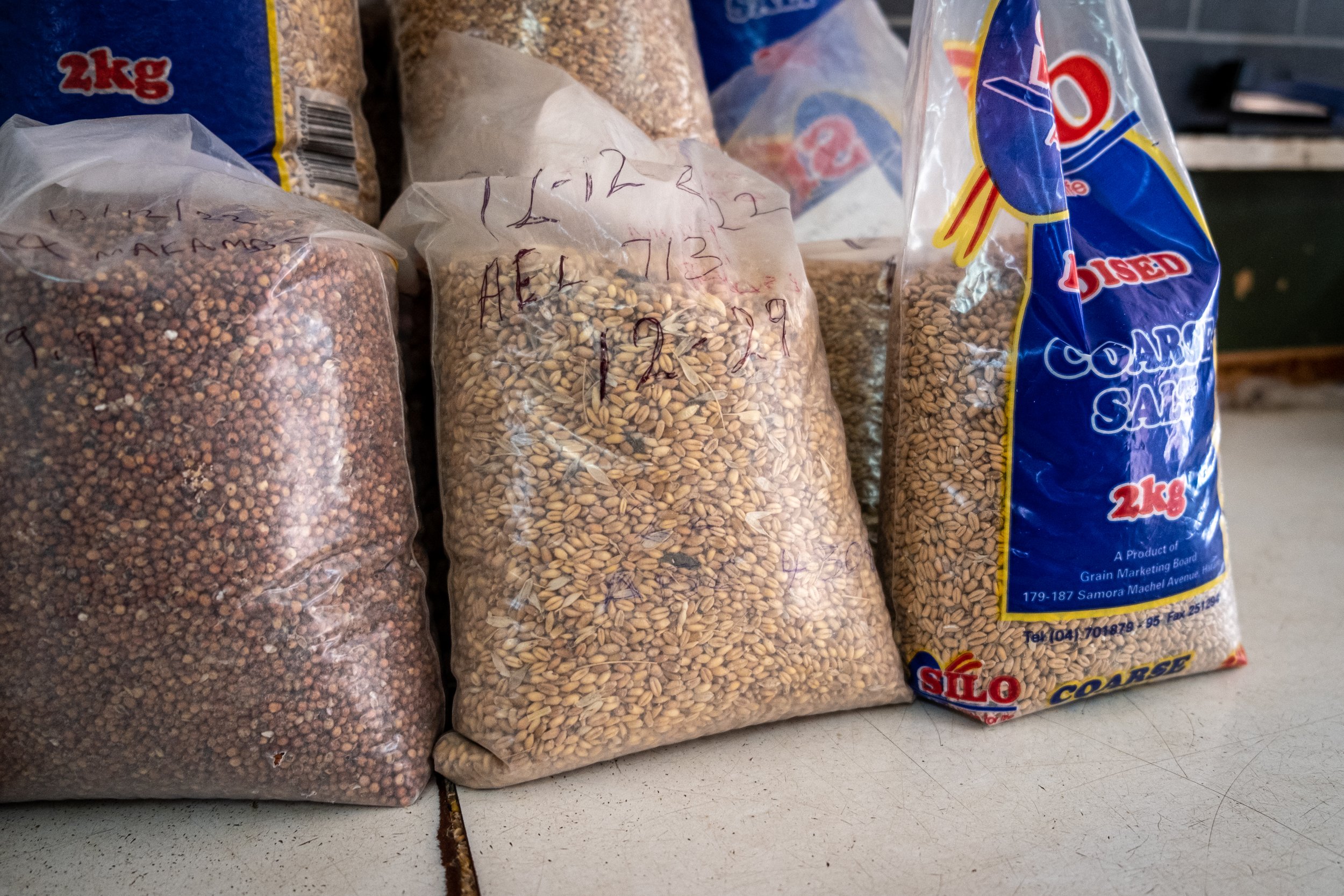
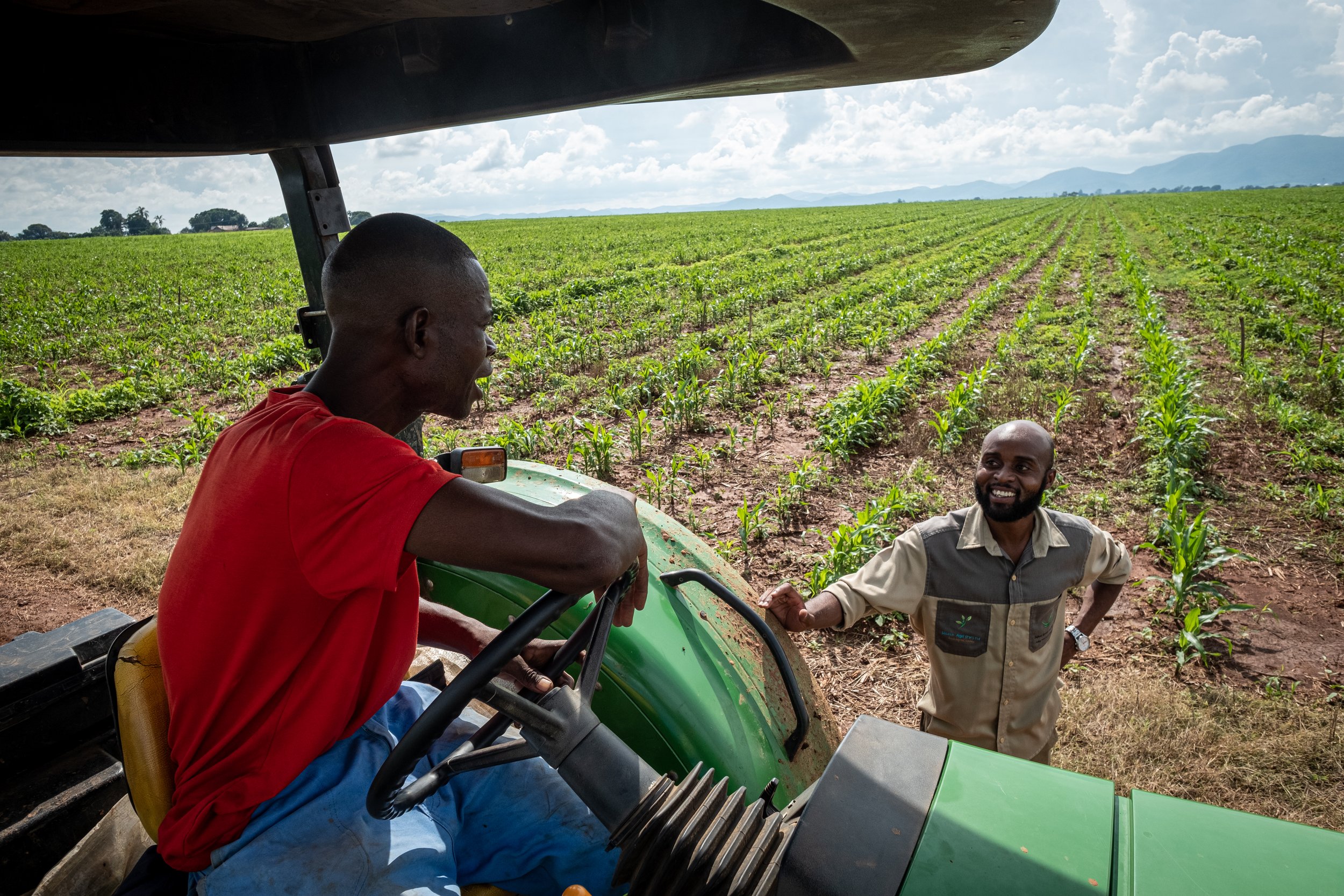
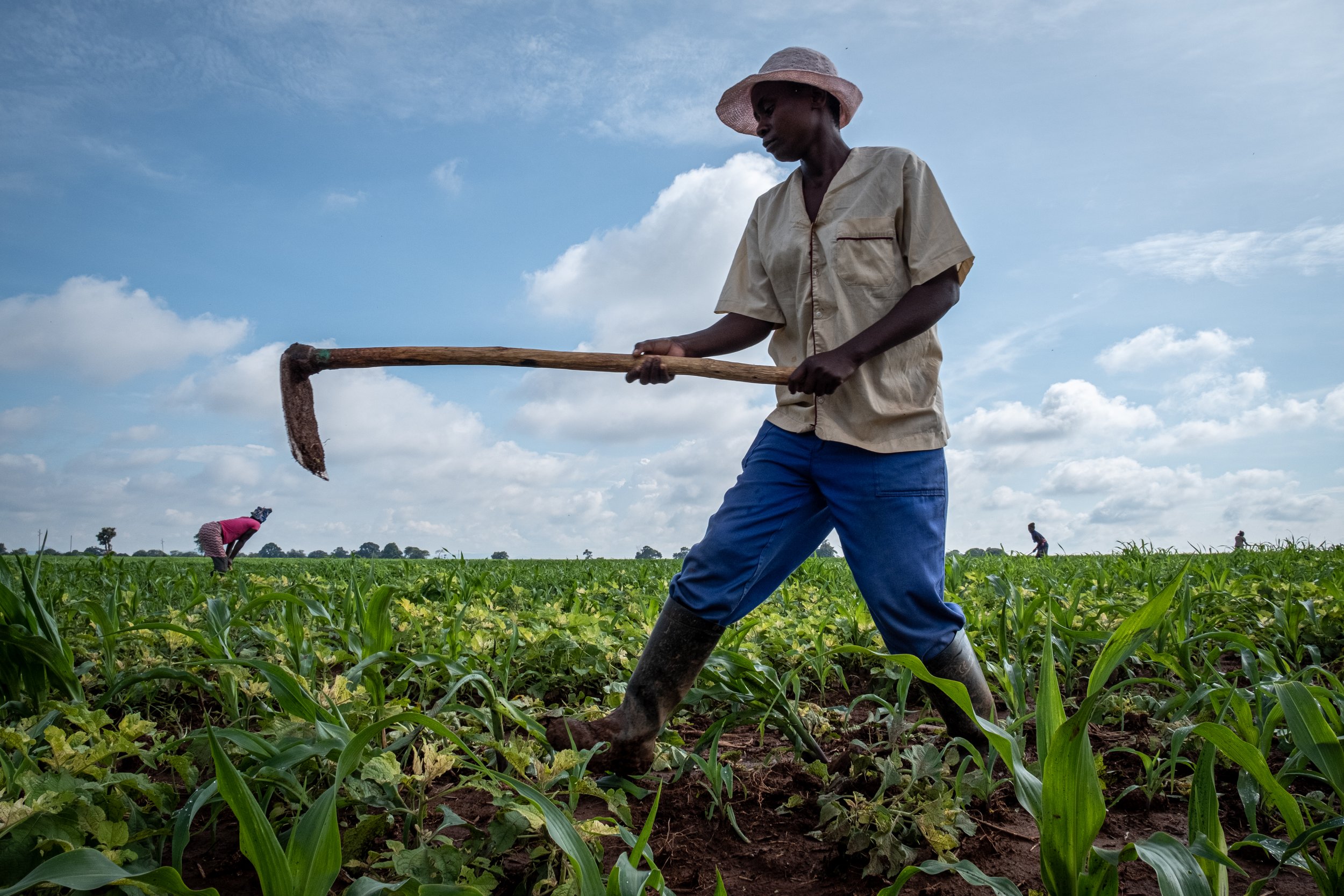
I recently traveled to Zimbabwe for de Volkskrant, a country with an incredible amount of agricultural potential. After decades of mismanagement, hopeful news is finally coming from the country in southern Africa: last year, a historically large amount of grain was harvested.

Former president Mugabe decided in 2000 to distribute all agricultural land (much of which was owned by white farmers) to black Zimbabweans, causing production of grain, tobacco and maize to plummet. Much of the country quickly deteriorated.

But thanks to enough rainfall and significant investment from the business community, the fields in the Zimbabwean countryside are blooming again. One of the investors who works with farmers is the young Tino Zinyemba, whom I followed for this story.

Tino hunts overgrown plots of land, hoping to add the land to his collection of farms. If he can persuade the owner to allow Zinyemba to cultivate the land, he or she will receive a share of the harvest.

He often approaches landowners who are struggling, he explains. “They often lack the resources or knowledge to grow on their land, or do not have enough money to get outdated equipment working again.”

You can read more about these joint ventures in the major report in the daily section of the newspaper today. The piece is also online here.

Tags: zimbabwe, wheat, reportage, De Volkskrant

Interview: podcast Alledaagse Vragen (BNNVARA)

April 04, 2023

Do foreign correspondents also get paid when there is no news?

That's what a listener of the BNNVARA podcast ‘Everyday Questions’ wondered. I was allowed to answer that question: https://open.spotify.com/episode/792poD8KHFivxX714zq4pF

Tags: podcast, Alledaagse Vragen, BNNVARA, NPO Radio 1

Alternatives for wheat - How Senegal is moving to fonio instead

March 08, 2023

In Senegal wheat cannot grow, but people still eat 8 million baguettes a day. Due to Putin's war in Ukraine, the global grain price has also risen sharply.

A baguette made from (also much healthier) fonio, a climate-resistant grain that has been grown for thousands of years in the dry east of Senegal, therefore offers a solution.

For my first report from Dakar, I visited Réseau MBURU – Mburu means 'bread' in Wolof and Bambara – where Isseu Diop Sakho tries to get the Dakarois to eat baked goods made from forgotten grains.

The story, about the ripple effects of the massive Russian invasion of Ukraine and the decolonization of taste buds, was featured last Saturday with photos by Guy Peterson in the large Ukraine special of the Volkskrant.

Tags: Senegal, Mburu, Wheat, Baguettes, Bread

We have moved to Dakar!

February 01, 2023

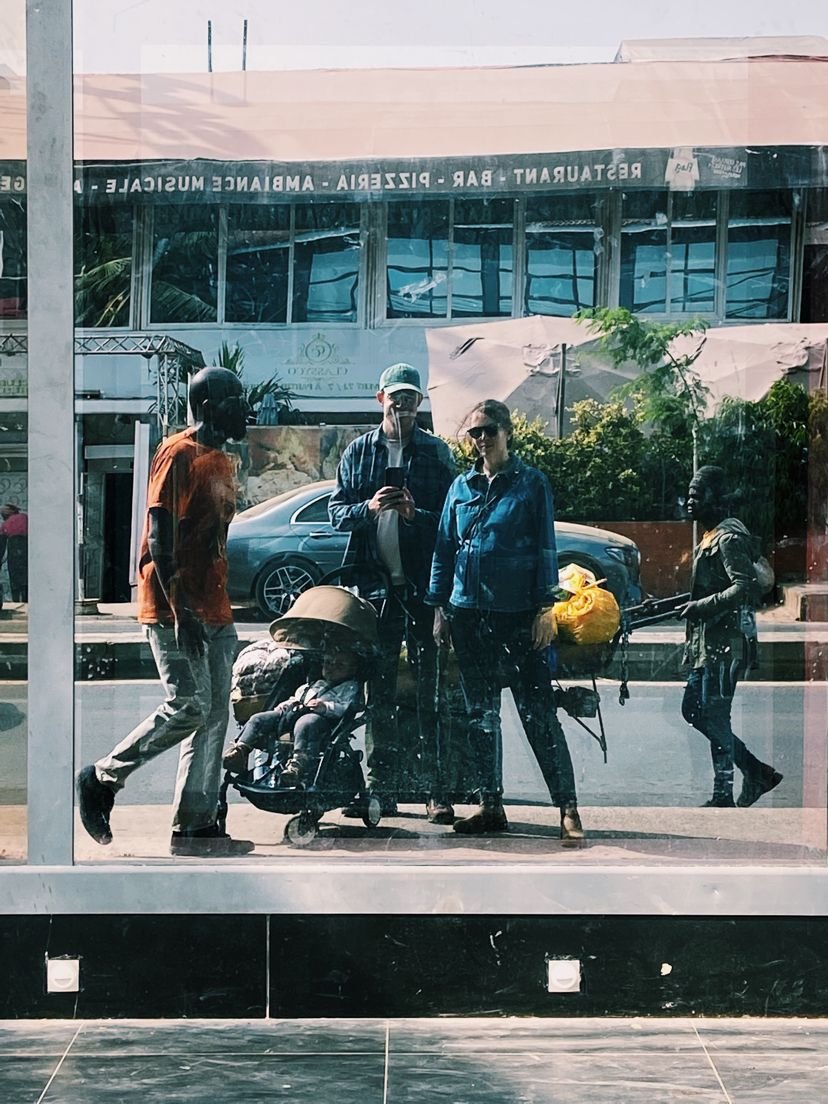
After a bit more than 5 years in Kenya, it’s time to focus a bit more on the Western side of the African continent. That’s why Saskia and I, with our daughter Lou (and upcoming second daughter) have moved to Dakar, the capital of Senegal. Saskia will be working as the West Africa Correspondent of Dutch broadcaster NOS, whereas I will still be covering the entire Sub Sahara part of Africa for De Volkskrant.

Tags: Dakar, Senegal, Nairobi, Moving

Energy Crisis in Zimbabwe: new work for De Volkskrant

January 10, 2023

While in Europe there are fears of temporary power cuts this winter, residents of Zimbabwe are sometimes without electricity for weeks.

The country is suffering from an extreme energy crisis, caused by climate change and government negligence. Those who can afford it switch to solar energy, but for many that is not an option.

My photos and the report about the problems that have arisen (but also the solutions) are in the Volkskrant today. You can read the piece online via this link.

Tags: Zimbabwe, Power cuts, Energy, Renewable energy, Energy crisis, Solar, Solar energy

A conservation about 'new African conciousness' in podcast Elke Dag

December 20, 2022

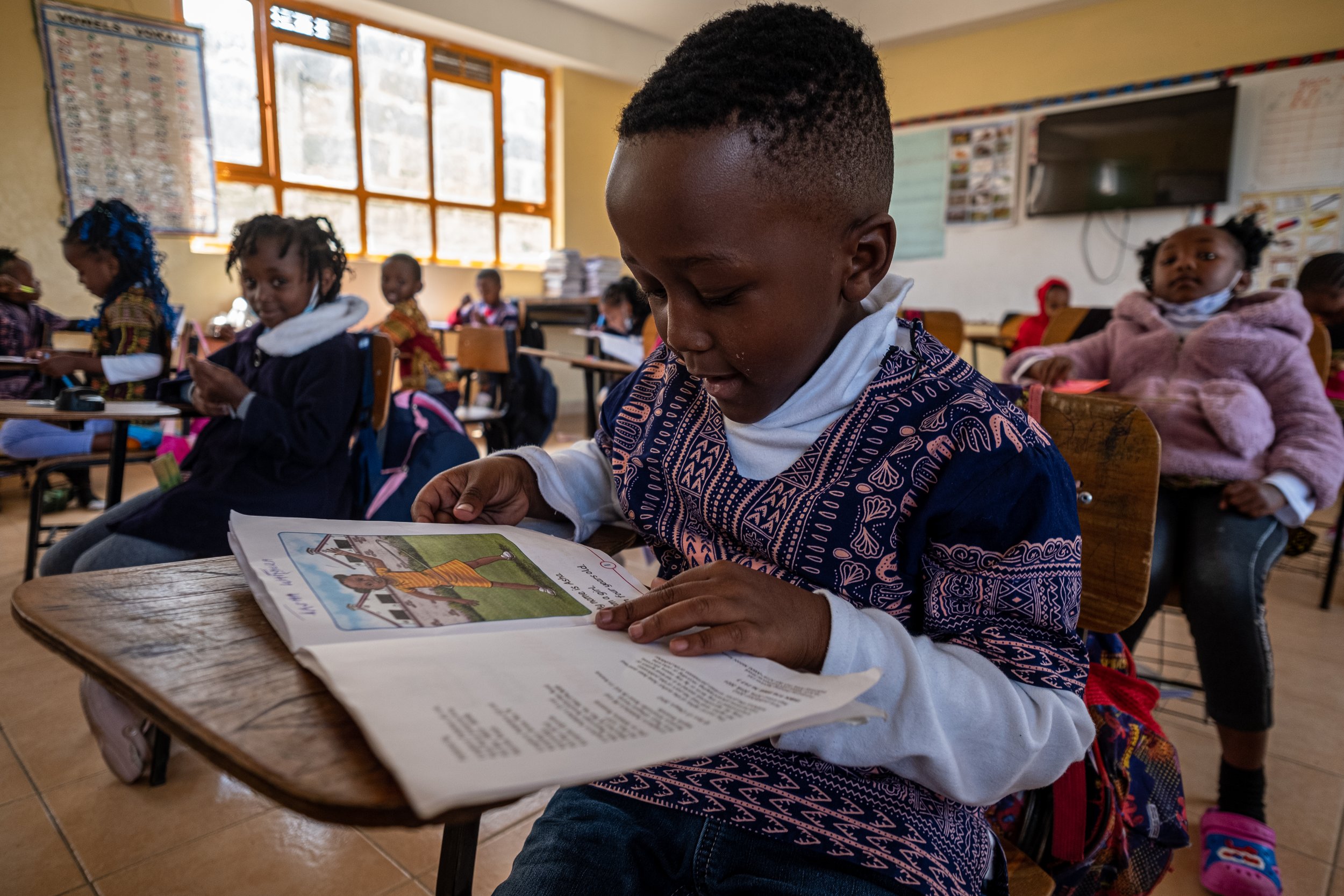
I recently wrote a report for de Volkskrant about Africa's first afrocentric school, run by Dr Utheri Kanayo (aka Susan Kiragu) and her husband Ọkụ in Nakuru, Kenya. Children learn to be proud of their 'African' identity, origin and background.

I have seen this 'new African consciousness' and the 'decolonization of the mind' more often in recent years. That prompted a conversation with Sheila Sitalsing, for Volkskrant podcast Elke Dag - you can listen to that episode by clicking on the link below.

Tags: De Volkskrant, Podcast, Elke Dag, Podcast Elke Dag, Decolonization, New african conciousness, Sheila Sitalsing, Utheri Kanayo, Oku Kanayo, Children in Freedom School, Nakuru, Kenya

The first Afrocentric School of Africa is growing rapidly

December 06, 2022

Since the British colonists left Kenya in East Africa, very little has changed in education. That’s the perception of Utheri and Oku Kanayo, who have set up Africa's first afrocentric school: the Children in Freedom School in Nakurum Kenya.

"We want the children to understand that it is a privilege and an absolute honor that they are African."

To read the story I wrote for de Volkskrant newspaper, click here. To listen to the story instead, you can click here for the radio reportage I made for VPRO programme Bureau Buitenland.

Tags: Nakuru, Children in Freedom School, Oku Kanayo, Utheri Kanayo, Afrocentrism

Libération: pictures from Somalia

December 02, 2022

Worrying report written by Patricia Huon from Somalia, where a humanitarian disaster is still unfolding as a result of the worst drought in forty years. “We have lost everything.”

Today, her story (together with some of my photos,) can be read in the French newspaper Libération.

Tags: Somalia, Libération, Newspaper, France, Patricia Huon, Famine, Drought, Horn of Africa

New work for the New York Times: a story about a bicycle protest in Nairobi

November 30, 2022

For The New York Times I rode with Furaha (11), Samora (6) and Cyrus (11), who are campaigning for more rights (and bike paths) for cyclists here in Nairobi during the monthly Critical Mass Nairobi demonstration. The story can be read on Sunday in this colorful edition of The New York Times for Kids. You can get your hands on a copy by ordering one through this link.

In Nairobi, the capital of Kenya, Jeevanjee Gardens is usually a bubble of calm. But on the last Saturday of each month, the small park transforms into a buzzing gathering place when hundreds of bicyclists roll in.

Cyrus, 11, steers his black mountain bike over the garden’s cracked paving as he greets some of the other people who have arrived with their bikes. “This gathering is called Critical Mass,” he says. “It’s fun, and it keeps me fit.” More than 300 people, including about two dozen kids, gather here each month to ride through Nairobi’s city center and neighborhoods. They shout, blow whistles and wave flags. Their goal is to make cycling safer for people. They want the city to make bike lanes on roads and to pass stronger laws to protect them while riding.

Nairobi is big and hilly, and almost all the roads were built just for cars. People who want to ride bikes (or even walk) have to pedal next to or in between cars, motorcycles and huge buses. “Cycling in Nairobi isn’t safe,” says Samora, 7, who goes to the rallies with his sister, Furaha, 11, and their aunt and uncle. Samora says he is sometimes pushed off the road by cars and buses, because they veer toward him.

The Critical Mass rides, which also happen in other cities around the world, started in Nairobi in 2014. So far they have created some change: The city has added a few bike lanes to busy roads. Cyprine Mitchell, an adult who organizes the @criticalmassnairobi gatherings, says that there have also been talks in national government meetings about making roads safer for people on bikes.

Furaha says she will keep joining the rides, “because it’s a real community — it brings bicyclists together.” She hopes that as the city becomes more friendly to riders, more people will opt for bikes instead of cars. Until then, she and others will continue fighting to make it safe. 🚲

Tags: NYT, The New York Times, The New York Times for Kids, Critical Mass, Cycling

Migrant stories: three testimonials about working in Qatar

November 29, 2022

For de Volkskrant, El País and RTL Nieuws, I interviewed three migrant workers. Two who have come back to Kenya, and one Kenyan who is still stuck in Qatar (who is working there illegally). Their painful stories shine a light on how poorly many (black) migrant workers are treated in the small Gulf state. To read more, tap on one of the links below:

  • El relato de tres inmigrantes africanos: “En Qatar la gente literalmente trabaja hasta la muerte” [El País]

  • Het WK ging beginnen, dus arbeidsmigrant Maina moest plaatsmaken voor de voetbalfans [de Volkskrant]

  • Gastarbeider Malcolm werd opgepakt in Qatar: 'Ik had kritiek' [RTL Nieuws]

  • ‘Ik moest doen alsof ik gek was om terug naar huis te kunnen vluchten’ [de Volkskrant]

  • Activist Malcolm Bidali werkte als beveiliger in Qatar: ‘Er kleeft bloed aan de stadions die je op tv ziet’ [de Volkskrant]

  • Nepalezen zien hun arbeiders met veel geld terugkeren, slachtoffers zijn dan even vergeten [de Volkskrant podcast ‘Elke Dag’]

Tags: Migrant workers, Qatar, De Volkskrant, RTL Nieuws, Podcast, Elke Dag, Malcolm Bidali, El País, El Pais

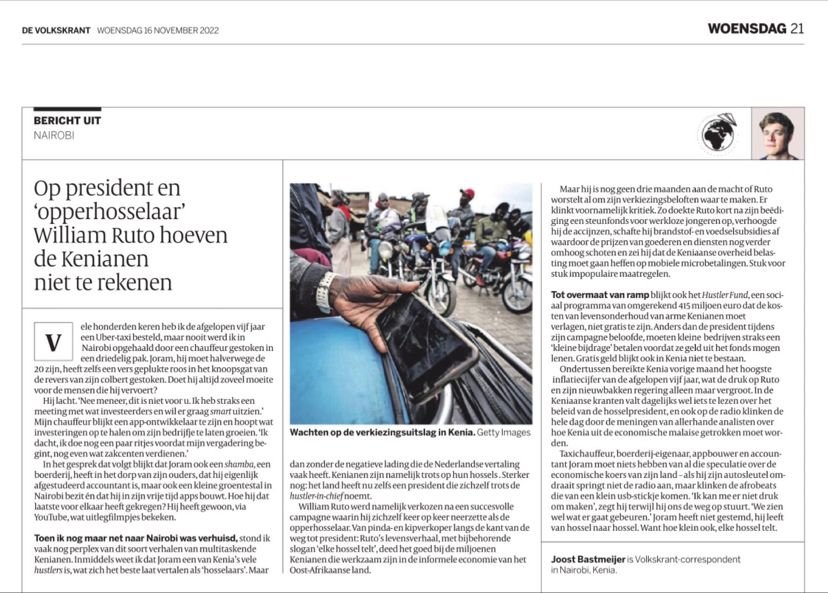
A column about Joram, the app developer slash farmer slash Uber driver

November 23, 2022

Many hundreds of times over the past five years I have ordered an Uber taxi, but never have I been picked up in Nairobi by a driver dressed in a three-piece suit. Joram, he must be in his mid-20s, even has a freshly picked rose tucked into the lapel of his suit jacket. Does he always go to such great lengths for the people he drives?

He smiles. ‘No sir, this is not for you. I have a meeting with some investors later and I want to look smart.’ My driver turns out to be an app developer and hopes to raise some investments to grow his business. ‘I thought I'd take a few more rides before my meeting starts, get myself some pocket money.’

In the conversation that follows, it turns out that Joram also owns a shamba, a farm, in his parents' village, that he actually graduated as an accountant, but also owns a small vegetable stall in Nairobi and that he builds apps in his spare time. How did he manage to do the latter? He just watched some explanation videos on YouTube.

When I had just moved to Nairobi, I was often perplexed by these kinds of stories from multi-tasking Kenyans. I now know: Joram is one of Kenya's many hustlers, which is best translated as 'hosselaars', but without the negative connotation that the Dutch translation often has. Kenyans are proud of their hustlers – in fact, the country now even has a president who proudly calls himself the hustler-in-chief.

But will William Ruto's new government stand up for the hustlers who elected him as promised? Read the column in today's paper edition of de Volkskrant, or here on the website: https://www.volkskrant.nl/columns-van-de-dag/op-president-en-opperhosselaar-william-ruto-hoeven-kenianen-niet-te-rekenen~b6106162/

Tags: de Volkskrant, Hustler, William Ruto, Kenya, Column

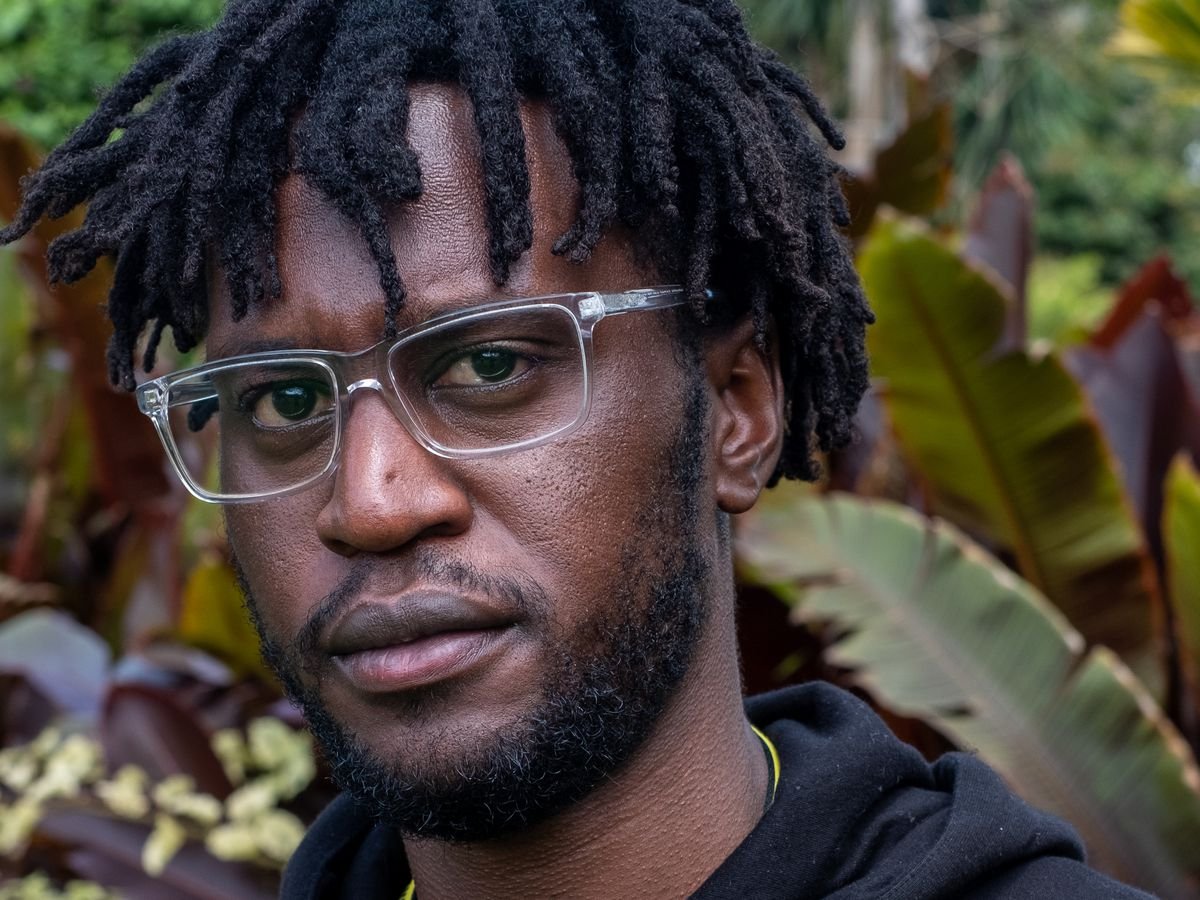
A conversation with migrant worker turned activist Malcolm Bidali

November 15, 2022

Qatar is very content with how their World Cup tournament is going so far. The Qatari government has even said that they would like to see if it’s possible to host the Olympic Games of 2036. But not everyone is as excited about another big sporting event in the gulf country.

Qatar, for instance, heavily depends on migrant workers  in sectors all across its workfield. But these migrant workers are treated poorly, some of them even die when working in construction, domestic work or other sectors. During the World Cup event, El País interviews three Kenyan migrant workers who have worked in Qatar. 

Today, Malcolm Bidali, who has worked as a security guard in Qatar, shares his story. El País met with him in a coffee garden in Nairobi, where he often brings his laptop to work on the small human rights organization he has recently set up. Together with Aidah, who worked as a domestic worker in Bahrain, they try to prevent further abuse of migrant workers in gulf countries and the Middle East as a whole. 

Bidali, dressed in a hoodie from Hamburg soccer club St. Pauli, is still quite vocal about the position of migrant workers in Qatar. His efforts to raise awareness to human rights violations previously got him in deep trouble. When he was still living in Qatar, he wrote about how he and other migrant workers were mistreated, which led him to get arrested by the Qatari security service. Still, Bidali says he regrets nothing. “I will not be silenced.”

— by Joost Bastmeijer, Nairobi, Kenya

“Before I left for Qatar, I was broke. Financially speaking, but I was also broken mentally. I was unemployed, so I tried to make ends meet with all kinds of side jobs and hustles. Life in Kenya is tough for many people, there is not enough work for everyone and if you don't have connections, you won't get a job anywhere. 

When I met up with a childhood friend who had worked in Dubai, he saw that I was completely exhausted. He arranged work for me as a security guard for a company in Qatar's capital, Doha. The two years I worked there were good. I stayed with other migrant workers in a gated residential area. We lived in a big house and could make our own ugali in the kitchen. 

After my return to Kenya I left for Qatar again, this time for a different company. Now everything turned out to be very badly arranged. We were put in a labor camp in the industrial area of ​​Doha, which are pretty much the slums or ‘informal settlements’. Living conditions there were appalling. For example, the food was very bad, there was mold on the walls and there were bed bugs living under the mattresses. 

We were crammed into four-by-four-foot rooms with six men, leaving almost no space between my bunk bed and the man next to me. I tried to isolate myself at night by keeping a diary about how badly we were treated. 

Although it was not originally intended, I have published those texts under a pseudonym on a blog. Among other things, I wrote about how many security guards work twelve-hour days, how we pass out because of the extreme heat in which we have to work. In Qatar, people are literally worked to death. 

There is a lot of talk about the number of guest workers who have died. Are there six thousand or ten thousand? I then say: how many people have to die before you care? Is one life lost because of negligence not enough for you?

One day I wrote a critical blog about the former first lady of Qatar. I didn’t know this at the time, but it apparently had put me on the radar of the Qatari security services. A few days later, my phone was hacked after I opened a strange-looking link, revealing my identity to the authorities. 

I was arrested and thrown into solitary confinement, and a month of interrogations followed. I had no contact with the outside world and was not given a lawyer. I was very scared; everyone knows what happened to Jamal Khashoggi. There were three different occasions on which I was sure they were going to kill me. I was only released when human rights organizations put pressure on me. 

But I will not be silenced. Now I’m back in Kenya, I have set up an organization called Migrant Defenders, to help other migrant workers and step up for their rights. If we can empower them and educate them about their position, we can work together as one group and stand up for our rights. We are focusing on all countries in the Middle East, as human rights violations also happen in other places than Qatar. 

I like football, so I do watch the World Cup in Qatar. It depends on which team is playing, though. There's no point in boycotting the event - do you think Qatar will lose any sleep if they miss out on money? Governments still do business with Qatar. Only they can bring real change. 

It’s mentally difficult for me to watch a match played in a stadium built by someone who has not been paid, who has been away from his family for five years, who has been discriminated against or who may even have died during construction. Because that's the reality: there's blood on the stadiums you see on TV.”

This interview has been published by de Volkskrant and El País.
Tags: De Volkskrant, Migrant workers, Qatar, World Cup, Malcolm Bidali
Newer / Older
Back to Top

© 2012-2026 | Joost Bastmeijer | All rights reserved
joostbastmeijer [at] gmail.com